
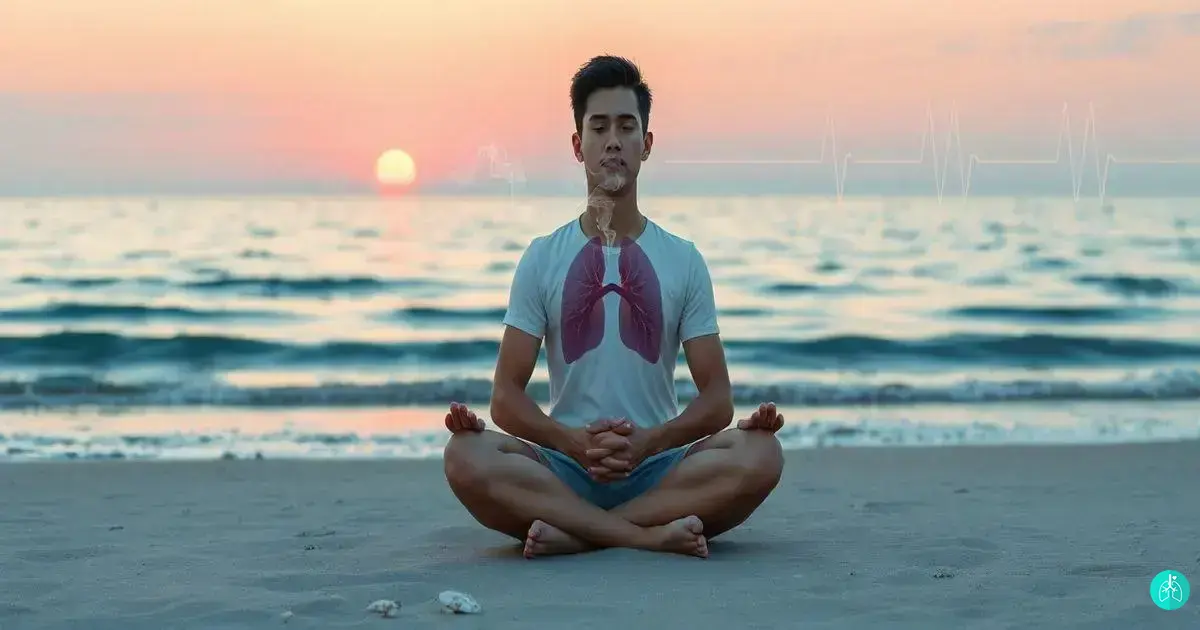
Understanding and correcting breathing mistakes is essential for managing anxiety, as issues like shallow breathing, breath-holding, and over-breathing can worsen symptoms. Techniques such as diaphragmatic breathing, box breathing, and mindful breathing exercises can promote relaxation and reduce stress, leading to improved mental and physical health. Establishing a consistent mindful breathing practice enhances breath awareness, helping to combat anxiety and foster a sense of calm.
Are you struggling with anxiety and not sure why? You might be making some common breathing mistakes that can make your feelings of anxiety even worse.
Learning how to breathe properly can significantly influence your mental well-being.
In this article, we’ll delve into the mistakes many people make when it comes to breathing and how fixing them can help you feel more at ease.
Understanding the Link Between Breathing and Anxiety
The connection between breathing and anxiety is more profound than many realize. When we’re anxious, our body tends to respond with rapid, shallow breaths. This response can actually make the anxiety worse, creating a vicious cycle that feeds on itself.
To understand this link, let’s consider what happens physiologically. When you breathe quickly, your body signals to the brain that you might be in danger, triggering a fight-or-flight response. This reaction can elevate your heart rate and make you feel more anxious. You might feel lightheaded or dizzy—a classic symptom that reinforces your worry and stress.
Moreover, improper breathing can lead to a lack of oxygen, leaving your body in a constant state of unease. However, if you take intentional, deep breaths, the message shifts. Your body receives calming signals, helping to soothe your mind and decrease feelings of anxiety. Think of breath as a powerful tool—it can either amplify your anxiety or help you regain calm.
Recognizing this relationship is the first step in harnessing breathing techniques that can mitigate anxiety. Once you become aware of how your breathing patterns affect your emotional state, you can start making conscious changes that promote relaxation.
Common Breathing Mistakes People Make
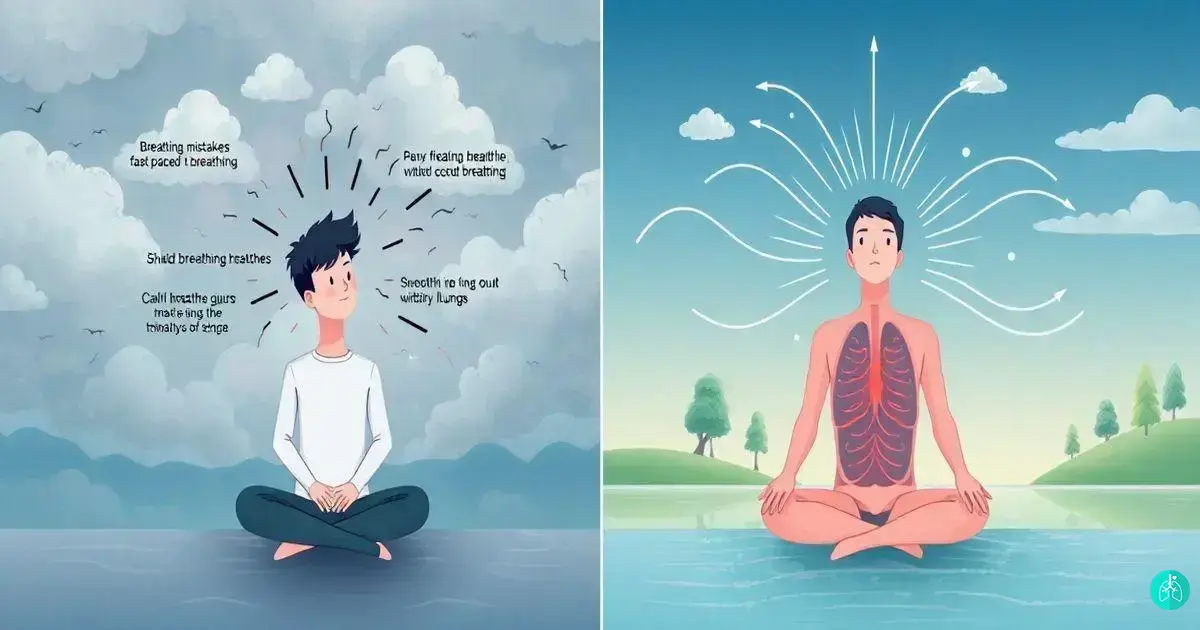
Many people aren’t aware that their daily breathing habits may not be as beneficial as they think. Here are some common breathing mistakes that can inadvertently escalate feelings of anxiety:
- Shallow Breathing: This is perhaps the most frequent mistake. When we breathe shallowly, we don’t fill our lungs completely, which can lead to feelings of lightheadedness and anxiety. Shallow breaths often occur when we’re stressed or preoccupied, resulting in less oxygen delivery to the brain.
- Holding Your Breath: It might seem surprising, but many people unconsciously hold their breath, especially during stressful moments. This action can heighten feelings of panic. When your body lacks oxygen, it signals to your brain that something is wrong, intensifying anxiety.
- Over-breathing: On the flip side, hyperventilation or over-breathing can also be problematic. This occurs when one breathes too quickly or deeply, leading to excessive oxygen intake. This can disturb the balance of carbon dioxide and oxygen in your body, causing symptoms like dizziness, tingling in the fingers, and increased anxiety levels.
Acknowledging these common mistakes is vital. By identifying them, you can begin to understand how they contribute to your overall feelings of anxiety and take steps to improve your breathing habits.
How Improper Breathing Affects Your Body
Improper breathing can have far-reaching effects on your body, significantly impacting both physical and mental health. Here’s how:
- Increased Stress Levels: When you engage in shallow breathing, your body stays in a heightened state of stress. This constant tension can lead to sustained levels of the stress hormone cortisol, which wreaks havoc on your body over time, making you feel more anxious and on edge.
- Muscle Tension: Breathing improperly can lead to muscle tension, particularly in the neck, shoulders, and back. You might notice that when you’re anxious, areas of your body feel tight or uncomfortable. This tension can create discomfort and even lead to chronic pain if left unaddressed.
- Reduced Oxygen Supply: Shallow or improper breathing limits the amount of oxygen that reaches your muscles and organs. Insufficient oxygen can lead to fatigue, reduced focus, and poor physical performance. It can also make you feel dizzy or lightheaded, further exacerbating feelings of anxiety.
- Effects on Digestion: Your breathing pattern can influence your digestive system. Shallow breathing might lead to less oxygenation of the digestive organs, potentially slowing down digestion and making you feel sluggish or uncomfortable.
By understanding how improper breathing affects your body, you can make conscious choices to breathe better. This not only aids in reducing anxiety but also promotes overall well-being. Making small adjustments to your breathing can enhance your physical health and emotional resilience.
Techniques to Correct Breathing Errors
Correcting breathing errors is essential for managing anxiety and improving overall well-being. Here are some effective techniques you can practice to ensure you’re breathing properly:
- Diaphragmatic Breathing: Also known as abdominal breathing, this technique encourages deeper breaths. Place one hand on your chest and the other on your belly. As you inhale deeply through your nose, allow your belly to rise while keeping your chest relatively still. Exhale slowly, feeling your belly fall. This method promotes relaxation and oxygenates your body effectively.
- Box Breathing: This simple technique is used by many to relieve anxiety. Inhale deeply through your nose for a count of four, hold your breath for another count of four, exhale through your mouth for four, and hold again for four. Repeat this cycle for a few minutes. Box breathing helps calm the mind and refocus your thoughts.
- 4-7-8 Breathing: Developed by Dr. Andrew Weil, this technique is designed to reduce anxiety and promote relaxation. Inhale through your nose for a count of four, hold your breath for a count of seven, and then exhale completely through your mouth for a count of eight. The longer exhalation helps to lower stress levels and encourages deep, calming breaths.
- Mindful Breathing: Practicing mindfulness while breathing can greatly enhance your awareness of your breath patterns. Find a quiet space, sit comfortably, and focus on your breath without trying to change it. As thoughts arise, simply acknowledge them and return to your breath. This practice can reduce anxiety and bring you into the present moment.
Incorporating these techniques into your daily routine can make a significant difference in how you manage anxiety. The more you focus on correcting your breathing errors, the more equipped you’ll be to handle stress and restore a sense of calm.
Breathing Exercises for Reducing Anxiety
Breathing exercises are powerful tools for reducing anxiety. Here are some effective exercises you can incorporate into your daily routine:
- 5-5-5 Breathing: Start by inhaling deeply through your nose for a count of five. Hold your breath for another count of five, then exhale slowly through your mouth for a count of five. Repeat this cycle for several minutes. This exercise helps create a steady rhythm and promotes relaxation.
- Alternate Nostril Breathing: This technique balances the body’s energy and calms the mind. Use your right thumb to close your right nostril. Inhale deeply through your left nostril, then close it with your ring finger. Open your right nostril and exhale through it. Inhale through the right nostril, close it, and then exhale through the left. Repeat for several cycles. This practice helps to enhance focus and reduce anxiety.
- Progressive Muscle Relaxation with Breathing: As you practice deep breathing, combine it with progressive muscle relaxation. Inhale deeply, tense a group of muscles (like your fists), hold for a few seconds, and then exhale as you relax those muscles. This combination helps release physical tension and promotes mental calmness.
- Guided Visualization with Breathing: Find a comfortable position, close your eyes, and take a few deep breaths. Picture a serene place—like a beach or a peaceful forest. As you breathe in the calming atmosphere of this place, imagine your anxiety melting away with each exhale. Engaging your imagination while breathing helps shift your focus away from anxiety.
Incorporating these breathing exercises into your day, whether in the morning, during lunch breaks, or before bed, can lead to significant improvements in your mood and stress levels. Remember, regular practice is key to reaping the benefits of these exercises.
Establishing a Mindful Breathing Practice
Establishing a mindful breathing practice can be a game changer for managing anxiety and enhancing overall well-being. Here are some steps to help you create and maintain this practice:
- Set Aside Time: Start by dedicating a specific time each day for your mindful breathing practice. Whether it’s in the morning, during your lunch break, or before bed, consistency is key. Even just five minutes each day can make a difference.
- Find a Quiet Space: Choose a comfortable, quiet place where you won’t be disturbed. This could be a corner of your home, a park, or even your car. Creating a calming environment helps set the stage for relaxation and focus.
- Begin with Awareness: Before diving into deep breathing, take a moment to notice your current breathing pattern. Are you breathing quickly or deeply? Are your breaths shallow? Acknowledging your breath is the first step toward mindfulness.
- Focus on Your Breath: As you settle in, shift your attention to your breath. Inhale deeply through your nose, feeling your belly rise, then exhale slowly through your mouth. If your mind wanders, gently bring your focus back to your breath without judgment. This practice enhances your concentration and reduces anxiety.
- Use Guided Meditations: If you’re new to mindful breathing, consider using guided meditation apps or videos. These resources can provide structured practices and keep you engaged, especially in the beginning.
- Reflect on Your Experience: After each session, take a moment to reflect on how you feel. Notice any changes in your body or mind. Acknowledging these changes reinforces the importance of your practice and motivates you to continue.
As you cultivate your mindful breathing practice, be patient with yourself. It takes time to develop the habit and see results. The key is to remain consistent and open to the benefits that mindful breathing can bring to your life.
Conclusion
Incorporating mindful breathing techniques into your daily routine can dramatically enhance your ability to manage anxiety.
By understanding the link between breathing and anxiety, recognizing common breathing mistakes, and applying effective correction techniques, you empower yourself to foster a state of calm.
Utilizing structured breathing exercises allows you to actively confront anxiety rather than avoiding it. Furthermore, establishing a consistent mindful breathing practice sets the foundation for long-term mental wellness.
The journey to overcoming anxiety through breath is gradual, but with dedication and practice, you will likely experience profound changes in both your mental and physical well-being.
FAQ – Common Questions About Breathing and Anxiety
How can breathing techniques help reduce anxiety?
Breathing techniques can help calm your nervous system, slow your heart rate, and increase oxygen flow, all of which contribute to reducing anxiety.
What is diaphragmatic breathing?
Diaphragmatic breathing, or abdominal breathing, involves deep breathing that focuses on filling your belly with air to promote relaxation and better oxygenation.
Why is shallow breathing harmful?
Shallow breathing can lead to increased stress and anxiety levels by limiting oxygen supply, causing a fight-or-flight response that reinforces feelings of panic.
How often should I practice breathing exercises?
Aim to practice breathing exercises daily. Even just a few minutes can make a big difference in managing anxiety and promoting relaxation.
Can mindful breathing improve my overall well-being?
Yes, mindful breathing enhances mental clarity, emotional regulation, and can lead to improved physical health by reducing stress and anxiety levels.
What if I find it difficult to focus on my breath?
It’s normal to struggle with focus initially. Try using guided meditations or apps that can help structure your practice and bring your attention back to your breath.


