
Contents
- 1 Understanding Anxiety and Breathing
- 2 Common Myths About Breathing Techniques
- 3 Technique 1: Diaphragmatic Breathing
- 4 Technique 2: Box Breathing
- 5 Technique 3: 4-7-8 Breathing
- 6 Technique 4: Alternate Nostril Breathing
- 7 Conclusion
- 8 FAQ – Breathing Techniques for Anxiety Management
- 8.1 What is the purpose of breathing techniques for anxiety?
- 8.2 How often should I practice these breathing techniques?
- 8.3 Can breathing techniques replace therapy or medication for anxiety?
- 8.4 How long does it take to see results from breathing exercises?
- 8.5 What are some signs that breathing techniques are helping?
- 8.6 Are there any precautions I should take when practicing breathing techniques?
Breathing techniques such as diaphragmatic breathing, box breathing, 4-7-8 breathing, and alternate nostril breathing are effective methods for managing anxiety and promoting relaxation. Regular practice of these techniques can enhance their benefits, helping to calm the mind and body. While they can significantly reduce anxiety symptoms, they should be used alongside professional therapy or medication for optimal results, fostering a more mindful and balanced approach to stress management.
Anxiety is a common experience for many people, and how we breathe during anxious moments can make a significant difference.
Many myths surround the topic of anxiety breathing techniques, leading to confusion about what actually works.
In this article, we’ll debunk these myths and highlight effective breathing strategies that can help you manage anxiety.
Let’s take a closer look at the techniques that truly make a difference.
Understanding Anxiety and Breathing
Understanding the connection between anxiety and breathing is essential for effectively managing symptoms. When we experience anxiety, our bodies undergo a physiological response known as the ‘fight or flight’ reaction. This response causes our heart rate to increase, our muscles to tense up, and our breathing to become rapid and shallow.
This type of breathing can lead to hyperventilation, which exacerbates feelings of anxiety. The lack of oxygen exchange and the buildup of carbon dioxide can create a cycle that heightens our panic and stress levels. By recognizing this relationship, we can start to implement breathing techniques that counteract these effects.
Practicing mindful and controlled breathing helps to activate the body’s relaxation response, reducing the symptoms of anxiety and promoting a sense of calm. Therefore, learning how to breathe deeply and effectively can significantly impact our overall mental well-being.
Common Myths About Breathing Techniques
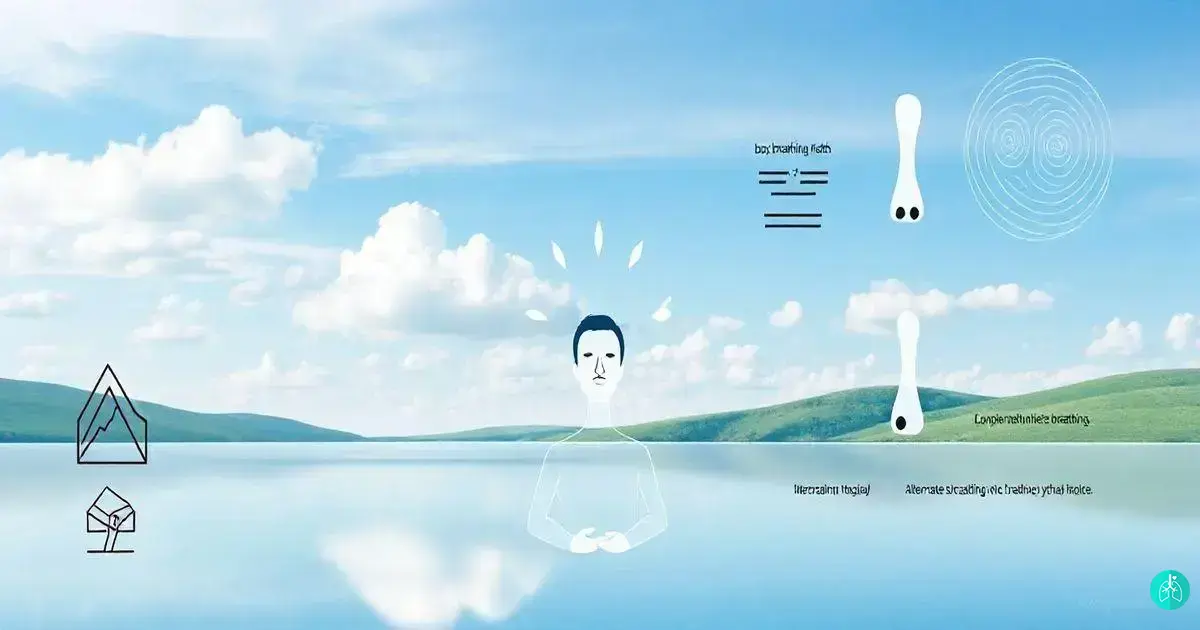
When it comes to managing anxiety, there are several common myths about breathing techniques that can lead to misconceptions and ineffective practices. Let’s break down some of these myths:
- Myth 1: Breathing Techniques are Too Complicated – Many believe that effective breathing exercises require extensive training or expertise. In reality, most techniques are simple and easy to learn, often taking just a few minutes to master.
- Myth 2: Breathing Should Always Be Deep – While deep breathing is beneficial, it’s not the only way to manage anxiety. Depending on the individual, different breathing patterns may be more effective or comfortable. What works for one person might not work for another, so it’s essential to find the right method.
- Myth 3: Breathing Techniques Provide Instant Relief – Though breathing techniques can be powerful tools, they are not a cure-all. For many, learning to effectively manage anxiety takes time and practice. It’s essential to remain patient and consistent.
- Myth 4: All Breathing Techniques Are the Same – There are various breathing techniques tailored for different situations. Understanding the distinctions can help individuals choose the best method according to their needs.
- Myth 5: Breathing Techniques Can Replace Professional Help – While breathing exercises are valuable, they should not replace therapy or professional treatment for anxiety. They can be part of a broader strategy that includes therapy, medication, and other tools.
- Myth 6: Breathing Techniques Are Only for Crisis Moments – Many people think breathing exercises should only be practiced in moments of high anxiety. In reality, regular practice can enhance resilience and preparedness, making it easier to cope with stress when it arises.
By debunking these myths, we can better understand the role breathing techniques can play in managing anxiety and discover how to implement them effectively in our daily lives.
Technique 1: Diaphragmatic Breathing
Diaphragmatic breathing, also known as abdominal or belly breathing, is one of the most effective techniques for managing anxiety. This method focuses on strengthening the diaphragm, which can help improve lung capacity and promote relaxation.
Here’s how to practice diaphragmatic breathing:
- Find a Comfortable Position: Sit or lie down in a comfortable position. You can close your eyes to help minimize distractions.
- Place Your Hands: Place one hand on your upper chest and the other on your abdomen. This will help you feel the movement of your diaphragm as you breathe.
- Breathe In Slowly: Inhale deeply through your nose for a count of four. As you do this, focus on pushing your abdomen out against your hand while keeping your chest relatively still.
- Pause: Hold your breath for a moment (about a count of two), which can enhance the relaxation response.
- Breathe Out Slowly: Exhale slowly and completely through your mouth for a count of six or eight, allowing your abdomen to fall inward. Again, try to keep your chest still.
- Repeat: Continue this pattern for several minutes, focusing on the rhythmic rise and fall of your abdomen.
This technique not only helps to reduce anxiety but also improves concentration and enhances overall well-being. Practicing diaphragmatic breathing regularly can increase your awareness of your breath and help you respond to stressors more effectively. So next time you feel anxious, take a moment to breathe deeply and embrace the calm.
Technique 2: Box Breathing
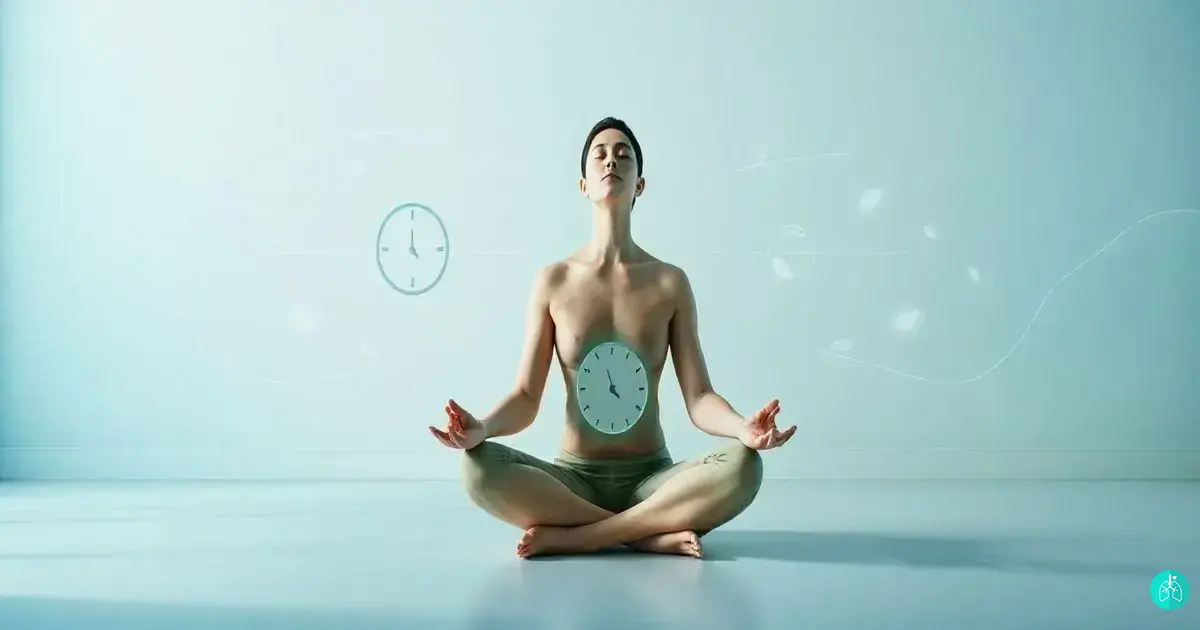
Box breathing, also known as square breathing, is a highly effective technique often used by athletes and military personnel to enhance focus and reduce stress. It’s a simple yet powerful method that involves inhaling, holding, exhaling, and pausing, all for equal counts, creating a ‘box’ of breath.
Here’s how to practice box breathing:
- Get Comfortable: Find a quiet space where you can sit or lie down comfortably. Allow yourself to relax.
- Inhale: Slowly inhale through your nose for a count of four, filling your lungs with air. Visualize this as the first side of the box.
- Hold: Hold your breath for another count of four, keeping your body relaxed during this pause. This represents the second side of the box.
- Exhale: Breathe out slowly through your mouth for a count of four, feeling the tension release as you visualize drawing the third side of the box.
- Pause Again: Hold your breath once more for a count of four before starting the cycle again, completing the square.
Repeat this cycle for several minutes, focusing on the breath and the rhythm of the boxes you are creating. This technique not only helps to calm the mind but also improves focus and clarity, making it ideal for situations that may induce anxiety or stress.
Box breathing can serve as a handy tool in your anxiety management toolkit, whether you’re preparing for a big presentation or just trying to navigate a busy day. Give it a try, and you might just find your center amidst the chaos!
Technique 3: 4-7-8 Breathing
The 4-7-8 breathing technique is a simple, effective method that promotes relaxation and reduces anxiety. Developed by Dr. Andrew Weil, this technique is based on ancient yogic practices and incorporates elements of breath control to help balance the body and mind.
Here’s how to practice 4-7-8 breathing:
- Find a Quiet Space: Get comfortable in a seated position or lie down in a calm environment where you won’t be disturbed.
- Prepare Your Breath: Start by exhaling completely through your mouth, making a whooshing sound as you do so.
- Inhale: Close your mouth and inhale quietly through your nose for a count of four. Focus on filling your lungs fully.
- Hold: Retain your breath for a count of seven, allowing the oxygen to nourish your body.
- Exhale: After holding, exhale completely through your mouth for a count of eight, making the whooshing sound again. This lengthy exhale helps release tension.
- Repeat: Complete this cycle for a total of four breath cycles. As you become more comfortable with the technique, you can increase the number of cycles.
This technique is especially beneficial when you’re feeling overwhelmed, as it encourages a sense of calm. It works by reducing heart rate and stabilizing the nervous system, promoting a feeling of peace.
Incorporating 4-7-8 breathing into your daily routine, even during non-stressful moments, can enhance your ability to manage anxiety when it arises. Try it out before bed to help improve your sleep quality or during stressful situations to regain your focus.
Technique 4: Alternate Nostril Breathing
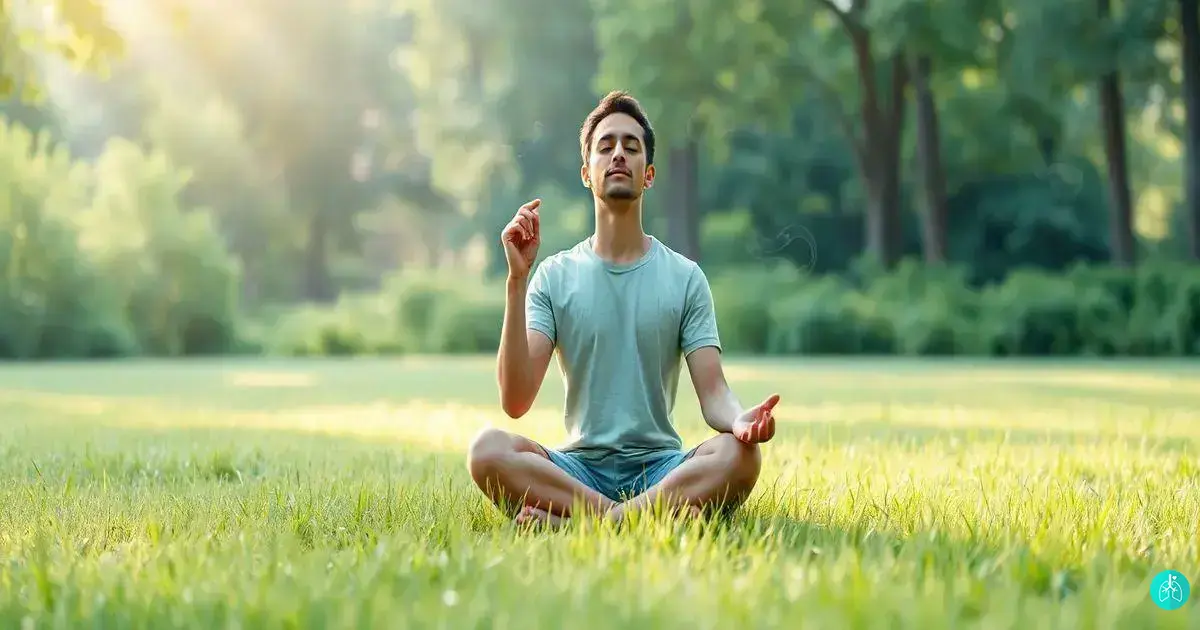
Alternate nostril breathing, known in yoga as Nadi Shodhana, is a calming technique used to balance the body and mind. This ancient practice is believed to purify and harmonize the energies in the body, making it an excellent choice for managing anxiety and promoting relaxation.
Here’s how to practice alternate nostril breathing:
- Find a Comfortable Position: Sit comfortably in a quiet space with your spine straight. You can sit cross-legged on the floor or in a chair with your feet flat on the ground.
- Close Your Right Nostril: Using your right thumb, gently close your right nostril.
- Inhale Through the Left Nostril: Slowly inhale deeply through your left nostril for a count of four. Focus on your breath as you fill your lungs.
- Close Your Left Nostril: After inhaling, close your left nostril with your right ring finger while releasing your right nostril.
- Exhale Through the Right Nostril: Exhale fully through your right nostril for a count of four, releasing any tension as you breathe out.
- Inhale Through the Right Nostril: Keep your left nostril closed, inhale deeply through the right nostril for a count of four.
- Close Your Right Nostril Again: Close the right nostril again with your right thumb, releasing the left nostril.
- Exhale Through the Left Nostril: Exhale through the left nostril for a count of four. This completes one full cycle.
Repeat this pattern for several cycles, focusing on your breath and the balance it creates within your body.
Alternate nostril breathing can help reduce anxiety by calming the nervous system, improving concentration, and enhancing mental clarity. It’s a powerful technique to incorporate into your self-care routine, especially before meditation sessions, stressful meetings, or as part of your bedtime ritual for a more peaceful night’s sleep.
Conclusion
Understanding and managing anxiety can be a challenging journey, but incorporating effective breathing techniques into your daily routine can make a significant difference.
Whether you choose diaphragmatic breathing, box breathing, the 4-7-8 technique, or alternate nostril breathing, each method offers unique benefits to help calm your mind and body during stressful times.
The key is to practice these techniques regularly, which can enhance their effectiveness and empower you to respond to anxiety more constructively.
Remember, it’s okay to take a step back and focus on your breath when life feels overwhelming. By embracing these strategies, you’re not just alleviating immediate anxiety—you’re also building long-term resilience and fostering a more mindful approach to life.
As you continue to explore these techniques, stay patient and kind to yourself. With practice, you’ll discover which methods resonate best with you, providing tools to navigate life’s ups and downs with greater ease and confidence.
FAQ – Breathing Techniques for Anxiety Management
What is the purpose of breathing techniques for anxiety?
Breathing techniques help calm the nervous system, reduce anxiety symptoms, and promote relaxation through controlled breathing.
How often should I practice these breathing techniques?
It’s beneficial to practice these techniques daily or whenever you feel anxious. Regular practice can enhance their effectiveness.
Can breathing techniques replace therapy or medication for anxiety?
While breathing techniques are valuable tools, they should be used as a complement to therapy or medication, not as a replacement.
How long does it take to see results from breathing exercises?
Many people notice immediate relaxation during and after the exercises. However, improved long-term effects require consistent practice.
What are some signs that breathing techniques are helping?
Signs of improvement may include reduced feelings of anxiety, improved focus, easier breathing, and a general sense of calm.
Are there any precautions I should take when practicing breathing techniques?
Ensure you’re in a comfortable position and not straining yourself. If you experience dizziness or discomfort, stop and resume normal breathing.


