
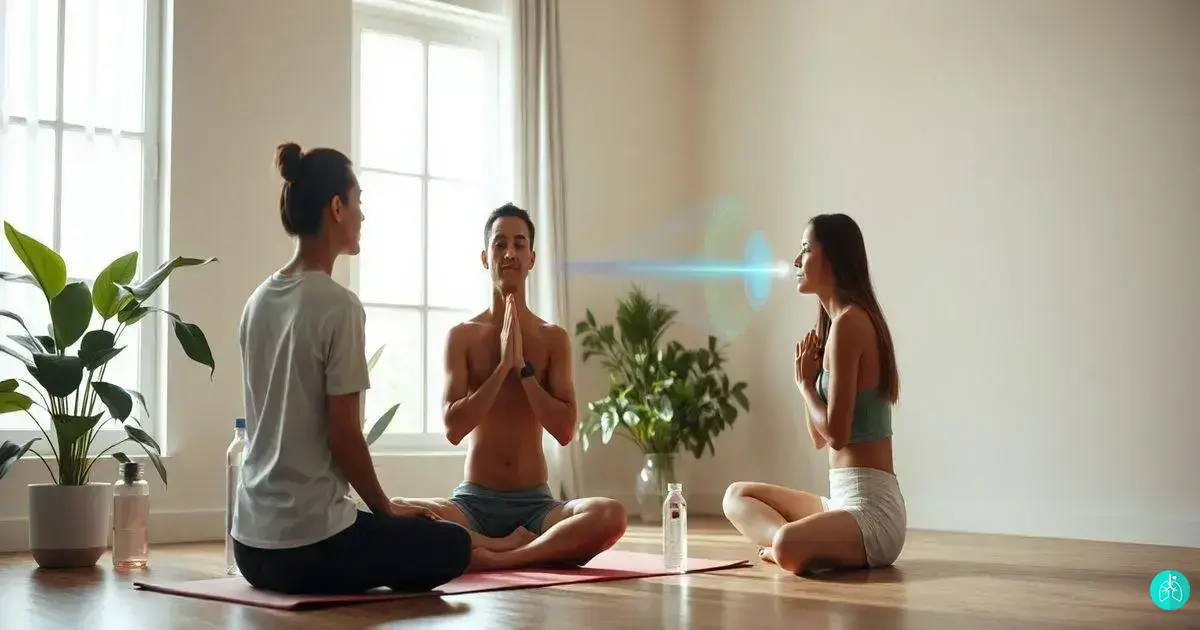
Improving breathing efficiency can be achieved through daily practices such as maintaining good posture, staying hydrated, and engaging in breathing exercises. Creating a calm environment and utilizing mindfulness techniques like mindful breathing and progressive muscle relaxation can enhance breath awareness and relaxation. By incorporating these strategies into your routine, you can boost respiratory health, increase energy levels, enhance focus, and foster a greater sense of peace.
Improving breathing efficiency can lead to significant benefits for both your physical and mental health.
Many of us don’t realize how much the way we breathe affects our overall well-being.
Fortunately, making simple daily adjustments can enhance our breathing patterns and help us feel more energized and relaxed.
In this article, we will explore various tips and adjustments you can easily incorporate into your daily routine to breathe better and feel great.
Understanding Breathing Efficiency
Understanding breathing efficiency is the first step toward enhancing your overall health and well-being. Simply put, breathing efficiency refers to how effectively your body uses oxygen during respiration. This affects not just your physical performance but also your mental clarity and emotional balance.
When we breathe efficiently, the body gets an adequate supply of oxygen, which is vital for sustaining energy levels and supporting bodily functions. Conversely, inefficient breathing can lead to fatigue, anxiety, and even respiratory issues over time.
Several factors influence breathing efficiency:
- Breath Depth: Taking deep breaths allows more oxygen to enter your lungs, enhancing oxygen exchange.
- Breath Rate: A slower, more controlled breath rate can improve oxygen intake and reduce feelings of stress.
- Breath Rhythm: Establishing a steady rhythm can promote relaxation and improve lung function.
Improving your awareness of how you breathe throughout the day can lead to notable changes in your energy and emotional state. With just a few adjustments in daily habits, you can start paving the way for better breathing efficiency.
The Importance of Posture
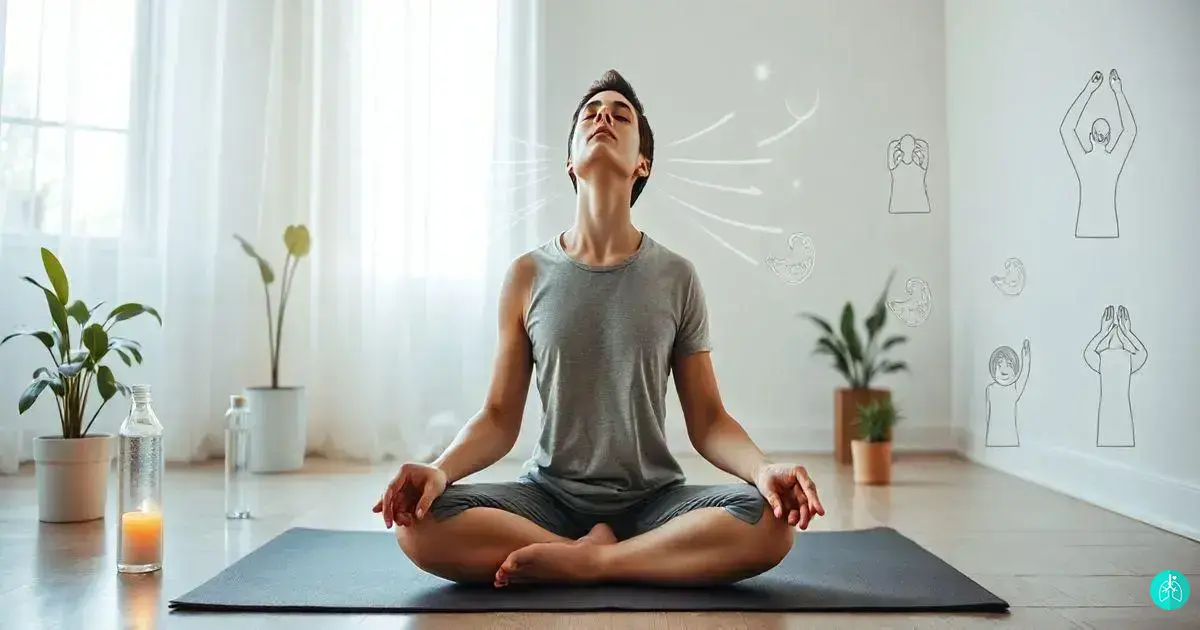
The importance of posture in breathing efficiency cannot be overstated. Our posture significantly influences how well we breathe, as slouching or other poor postural habits can restrict lung expansion and reduce oxygen intake.
When you slouch, your diaphragm and lungs have less room to work properly. This leads to shallow breathing, which can trigger issues such as fatigue and increased stress levels. Conversely, maintaining good posture allows your lungs to expand fully, enabling you to take deeper, more effective breaths.
Here are a few tips to improve your posture and, in turn, your breathing efficiency:
- Sit Up Straight: When seated, keep your back straight and shoulders relaxed but not slumped. Your feet should be flat on the floor to support your lower back.
- Stand Tall: While standing, distribute your weight evenly on both feet and engage your core muscles. This alignment opens up your chest and allows full breathing.
- Mind Your Head Position: Your head should be aligned with your spine, not jutting forward. Keeping your neck neutral prevents tightness and promotes better lung function.
In summary, being mindful of your posture can significantly enhance breathing efficiency. Small adjustments in how you sit and stand can lead to big improvements in your overall lung capacity and quality of life.
Breathing Exercises to Incorporate
Breathing exercises to incorporate into your daily routine can greatly enhance your breathing efficiency. These exercises help strengthen the respiratory muscles, improve oxygen uptake, and promote relaxation, all of which contribute to better overall health.
Here are some effective breathing exercises you can easily practice anywhere:
- Diaphragmatic Breathing: Also known as abdominal breathing, this exercise focuses on using your diaphragm effectively. To practice, lie on your back or sit comfortably. Place one hand on your chest and the other on your abdomen. Inhale deeply through your nose, ensuring your abdomen rises while your chest remains still. Exhale slowly through your mouth, feeling your abdomen fall. Repeat for 5-10 minutes.
- Box Breathing: This technique is excellent for calming the mind and reducing stress. Inhale deeply for a count of 4, hold your breath for a count of 4, exhale for a count of 4, and pause for another count of 4 before starting again. Repeat this cycle for several minutes.
- 4-7-8 Breathing: This exercise is designed to help you relax and promote better sleep. Inhale through your nose for a count of 4, hold your breath for a count of 7, and then exhale completely through your mouth for a count of 8. Repeat the cycle at least four times.
Incorporating these exercises into your daily routine can transform your breathing habits. Set aside a few minutes each day to practice, and over time, you’ll notice marked improvements in your breathing efficiency and overall well-being.
Creating a Calm Environment
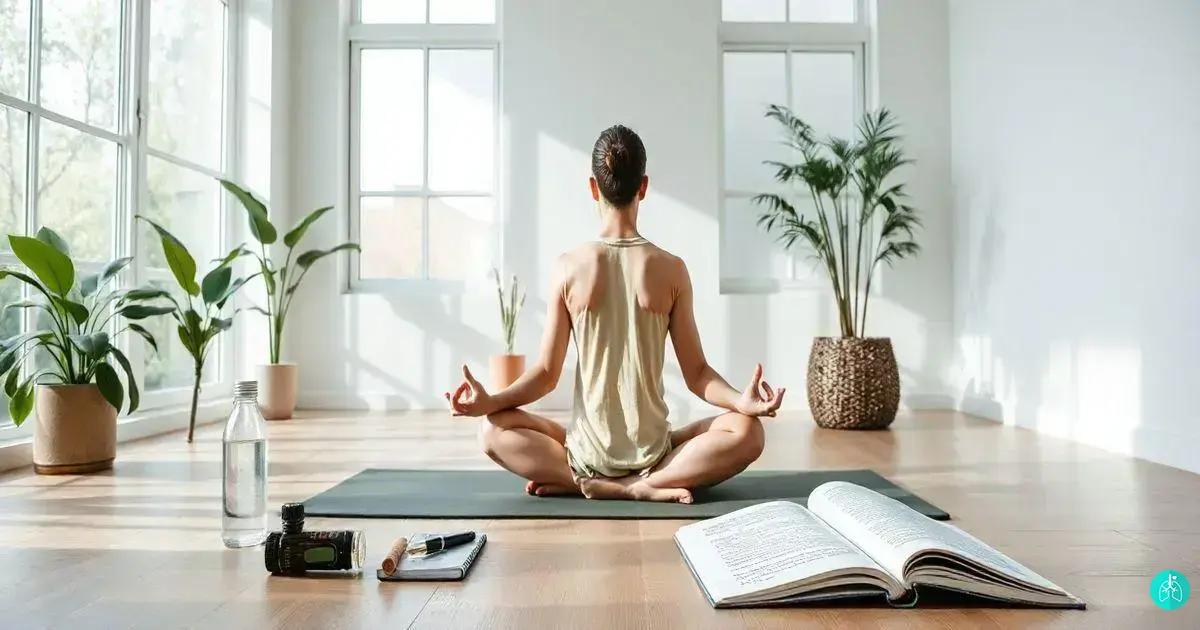
Creating a calm environment is crucial for enhancing your breathing efficiency. Our surroundings play a significant role in how we breathe; a serene space can help reduce stress and promote deeper, more relaxed breathing patterns.
Here are some tips for designing a calm environment:
- Minimize Noise: Loud and distracting sounds can elevate stress levels, making it harder to breathe deeply. Consider using noise-cancelling headphones or ambient sound machines to create a more peaceful atmosphere.
- Improve Air Quality: Fresh air promotes better breathing. Open windows when possible or invest in a quality air purifier to remove pollutants and allergens from your space. Adding indoor plants can also help purify the air and create a refreshing ambiance.
- Control Lighting: Bright, harsh lights can be overwhelming and stressful. Opt for soft, natural lighting when possible, or use adjustable lamps to create a warm and inviting atmosphere. Dim lighting can encourage relaxation and make it easier to focus on your breathing exercises.
- Declutter Your Space: A cluttered environment can lead to a cluttered mind. Take time to organize and reduce the number of items in your space. A clean and tidy area can significantly contribute to a sense of calm and focus.
By creating a tranquil environment tailored to your needs, you promote not only improved breathing efficiency but also a sense of overall well-being. Take a moment each day to enjoy and appreciate the peaceful space you’ve cultivated, which can make all the difference in your breathing practices.
Staying Hydrated for Better Breathing
Staying hydrated for better breathing is an often-overlooked aspect of respiratory health. Adequate hydration is vital for maintaining optimal body function, including proper lung capacity and efficiency. When you’re well-hydrated, it helps keep the airways moist, reducing irritation and aiding in mucus transportation, which, in turn, supports better oxygen exchange.
Here are some benefits and tips for staying hydrated to enhance your breathing:
- Improved Mucus Production: Proper hydration helps thin mucus in the airways, making it easier to expel and preventing blockages. This is especially important for individuals with allergies or respiratory conditions.
- Boosted Energy Levels: Dehydration can lead to fatigue and decreased stamina. Staying hydrated ensures that your body has enough energy for daily activities and supports better overall respiratory function.
- Optimal Temperature Regulation: Water helps regulate body temperature. Maintaining a proper temperature can prevent the airways from becoming irritated, thus facilitating smoother breathing.
- Daily Hydration Tips: Aim to drink at least 8-10 glasses of water daily. Consider keeping a reusable water bottle handy, adding fresh fruits or herbs to your water for added flavor, and consuming hydrating foods like cucumbers, oranges, and watermelon.
Incorporating these hydration tips into your routine can greatly enhance your breathing efficiency. Remember, your body needs water to function optimally, and staying hydrated is a simple yet effective way to boost your respiratory health.
Mindfulness and Breathing Techniques
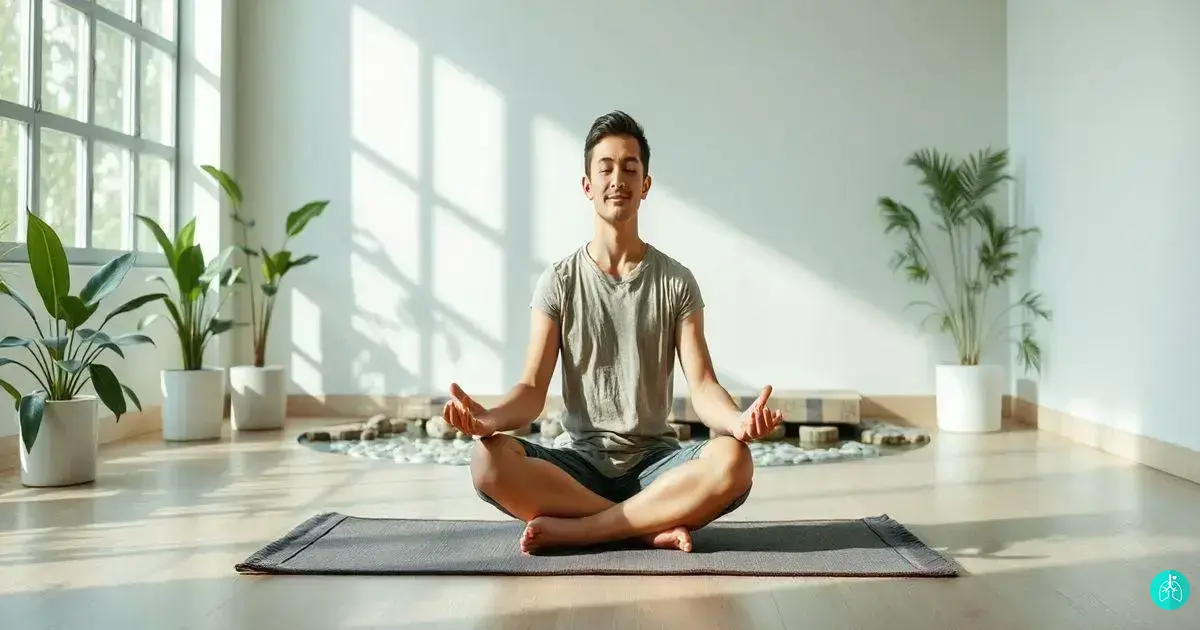
Mindfulness and breathing techniques are powerful tools that can significantly improve your breathing efficiency while promoting overall mental and emotional well-being. Practicing mindfulness enhances your awareness of breath patterns and encourages a deeper connection between your mind and body.
Here are some effective mindfulness and breathing techniques to incorporate into your daily routine:
- Mindful Breathing: Take a few moments each day to focus solely on your breath. Sit or lie comfortably, close your eyes, and concentrate on your inhalations and exhalations. Observe the sensations in your body without judgment, allowing thoughts to come and go naturally.
- Guided Visualization: Pairing mindfulness with visualization can enhance relaxation and promote efficient breathing. Imagine a peaceful scene, like a beach or forest, and visualize yourself breathing in the fresh air of that environment. Feel the calmness wash over you with each breath.
- Progressive Muscle Relaxation: This technique involves tensing and relaxing different muscle groups while focusing on your breath. Start with your toes, tense the muscles for a count of 5, then release and breathe deeply. Move up through your body, paying attention to how relaxation spreads as you breathe out.
- Body Scan Meditation: Lie down comfortably and begin a body scan by focusing on different parts of your body from head to toe. As you concentrate on each area, notice how it feels and breathe into any areas of tension. This practice helps deepen your breath while promoting relaxation.
Incorporating these mindfulness and breathing techniques into your routine can transform your approach to breathing. By being more aware of your breath and nurturing your mental state, you’ll not only improve your breathing efficiency but also enhance your overall quality of life.
Conclusion
Understanding how to improve breathing efficiency through simple daily adjustments is essential for enhanced physical and mental well-being. By focusing on key aspects such as posture, hydration, and mindfulness, you can create a supportive environment that promotes optimal breathing.
Incorporating breathing exercises, maintaining good posture, ensuring you stay hydrated, and practicing mindfulness techniques can make a world of difference in your breathing patterns. Over time, these small changes can lead to profound improvements in your overall quality of life.
Remember, it’s not just about taking in air; it’s about utilizing every breath to its fullest potential. With consistent practice and awareness, you can develop a deeper connection to your breath, leading to improved health, increased energy, and greater peace of mind.
FAQ – Common Questions About Improving Breathing Efficiency
What is breathing efficiency?
Breathing efficiency refers to how effectively your body uses oxygen during respiration, impacting your physical performance and mental clarity.
How does posture affect breathing?
Good posture allows your lungs to expand fully, promoting deeper breaths, while poor posture can restrict airflow and lead to shallow breathing.
What are some simple breathing exercises I can try?
Diaphragmatic breathing, box breathing, and 4-7-8 breathing are excellent techniques to enhance your breathing efficiency.
Why is creating a calm environment important for breathing?
A calm environment reduces stress and distractions, allowing for better focus on your breathing and promoting deeper, more relaxed breaths.
How much water should I drink for optimal hydration?
Aim to drink at least 8-10 glasses of water daily to maintain proper hydration, which supports better respiratory function.
How can mindfulness improve my breathing?
Mindfulness enhances awareness of your breath, helping you develop deeper breathing patterns and a greater connection between your mind and body.


