
Contents
- 1 Understand Common Allergens
- 2 Practice Deep Breathing Techniques
- 3 Stay Hydrated for Lung Health
- 4 Use Air Purifiers Effectively
- 5 Limit Outdoor Exposure
- 6 Seek Professional Guidance
- 7 Conclusion
- 8 FAQ – Breathing Tips for Allergy Season
- 8.1 What are common allergens to be aware of during allergy season?
- 8.2 How can deep breathing techniques help with allergies?
- 8.3 Why is hydration important for lung health during allergies?
- 8.4 What should I look for in an air purifier?
- 8.5 How can I limit outdoor exposure to allergens?
- 8.6 When should I seek professional help for my allergies?
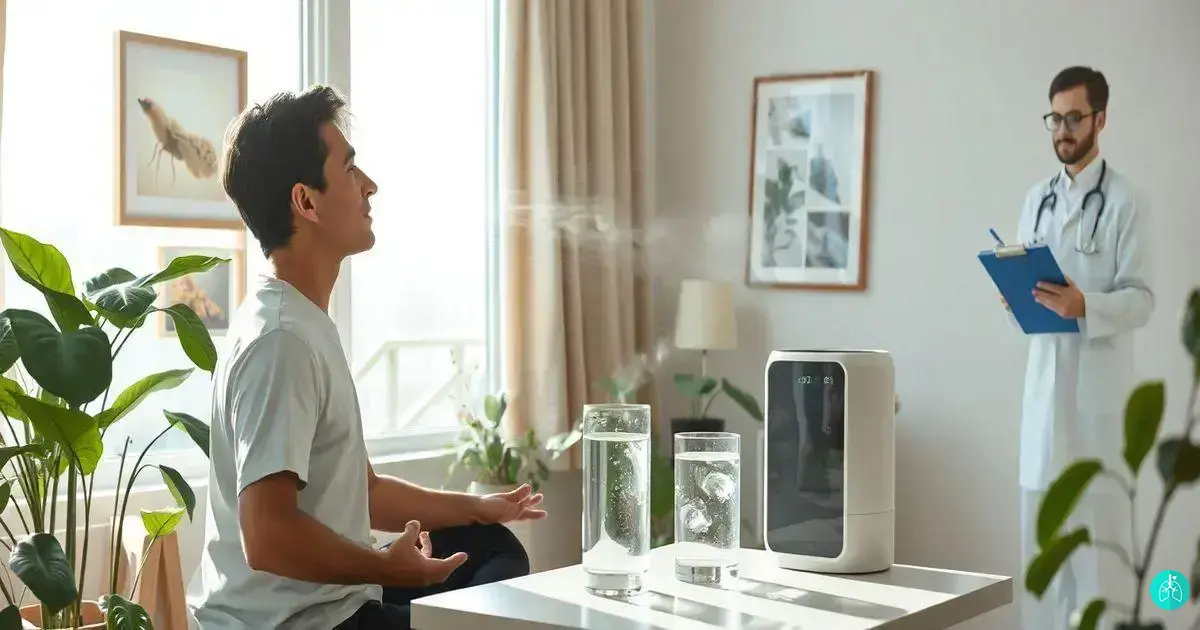
To protect your lungs during allergy season, it’s crucial to understand common allergens, practice deep breathing techniques, stay hydrated, use air purifiers, limit outdoor exposure during peak pollen times, and seek professional guidance for personalized care. These strategies can significantly reduce allergy impacts, enhance respiratory health, and improve your overall quality of life.
Allergy season can be a challenging time, especially for those concerned about their lung health.
Understanding how to manage your breathing during this period is crucial for maintaining well-being.
With the right strategies, you can significantly reduce the impact of allergens on your respiratory system.
In this article, we’ll explore several effective breathing tips to protect your lungs during allergy season, helping you navigate this difficult time with greater ease.
Understand Common Allergens
To effectively protect your lungs during allergy season, it’s essential to first understand common allergens. Allergens are substances that can trigger allergic reactions, and they vary widely depending on the environment. One of the most prevalent offenders is pollen, which comes from trees, grasses, and weeds, especially during the spring and fall.
In addition to pollen, indoor allergens can significantly affect your respiratory health. Dust mites, mold spores, pet dander, and even cockroach droppings are common indoor triggers that can lead to lung irritation and respiratory issues.
Recognizing when these allergens are most prevalent can help you take proactive precautions. For instance, pollen counts tend to be higher in the mornings, so planning outdoor activities for later in the day can minimize exposure. Keeping windows closed during peak seasons and regularly cleaning your home can also reduce indoor allergens significantly.
By identifying these common allergens, you become better equipped to implement protective measures that help keep your lungs healthy and mitigate the impact of allergies this season.
Practice Deep Breathing Techniques
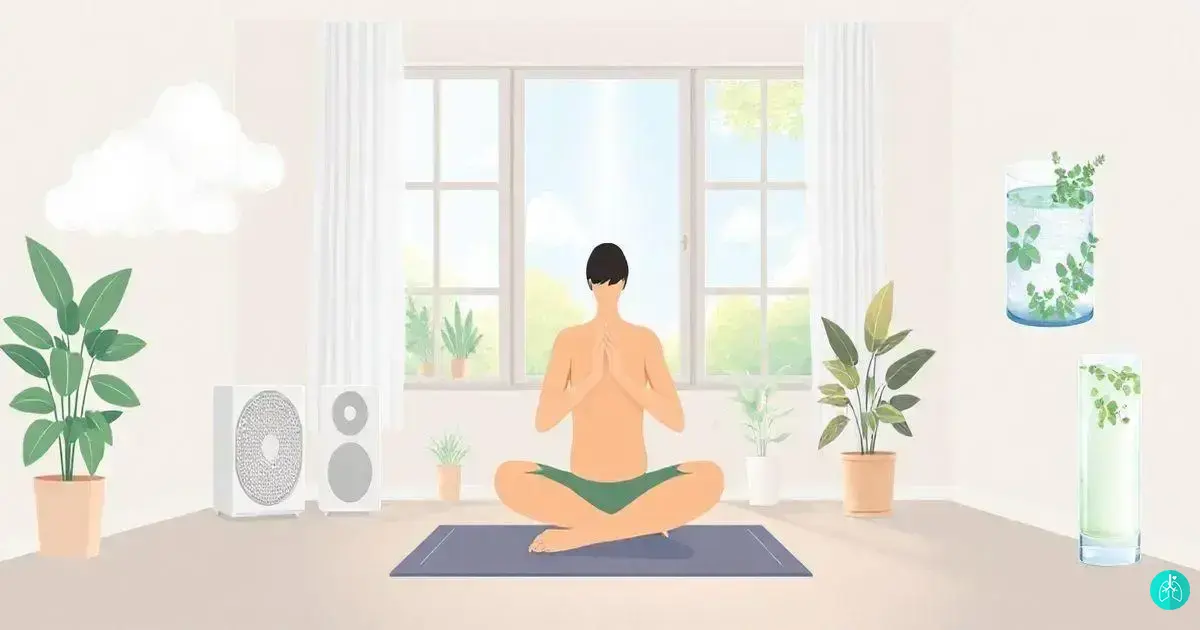
Practicing deep breathing techniques can be incredibly beneficial for your lung health, especially during allergy season. Deep breathing not only helps to oxygenate your body but also promotes relaxation and reduces stress, which can exacerbate allergy symptoms.
One effective technique is diaphragmatic breathing. To try this, find a comfortable seated position and place one hand on your chest and the other on your abdomen. Inhale deeply through your nose, allowing your abdomen to rise while keeping your chest relatively still. This ensures that you are taking full breaths, engaging your diaphragm. Exhale slowly through your mouth, feeling your abdomen fall. Aim to repeat this for several minutes each day.
Another technique is the 4-7-8 breathing method. To practice this, inhale deeply through your nose for a count of four, hold your breath for seven seconds, and then exhale slowly through your mouth for eight seconds. This method can help calm your nervous system and reduce the body’s reaction to allergens.
Incorporating these deep breathing techniques into your daily routine can help you manage stress and improve lung function, making it easier to cope with allergens during the season.
Stay Hydrated for Lung Health
Staying hydrated for lung health is crucial, especially during allergy season. Proper hydration helps in maintaining the mucus membranes in your lungs, which play a vital role in trapping allergens and impurities. When you’re well-hydrated, your body can efficiently produce mucus, which prevents allergens from irritating your airways.
Aim to drink plenty of water throughout the day, ideally about eight 8-ounce glasses. However, individual needs can vary based on activity levels and climate. If you’re active or exposed to dry air, such as in heated indoor environments, you may need even more fluids to stay adequately hydrated.
In addition to water, you can boost your hydration through foods that have high water content, like fruits and vegetables. Options like cucumbers, oranges, and watermelon not only contribute to your hydration goals but also provide essential vitamins and minerals that support your immune system.
Herbal teas can also be a soothing choice, especially those with anti-inflammatory properties, such as ginger or peppermint. These teas can help soothe your throat and aid in clearing mucus from your lungs.
By prioritizing hydration during allergy season, you can enhance your lung function and resilience against allergens, making it easier to breathe and reducing the risk of respiratory problems.
Use Air Purifiers Effectively
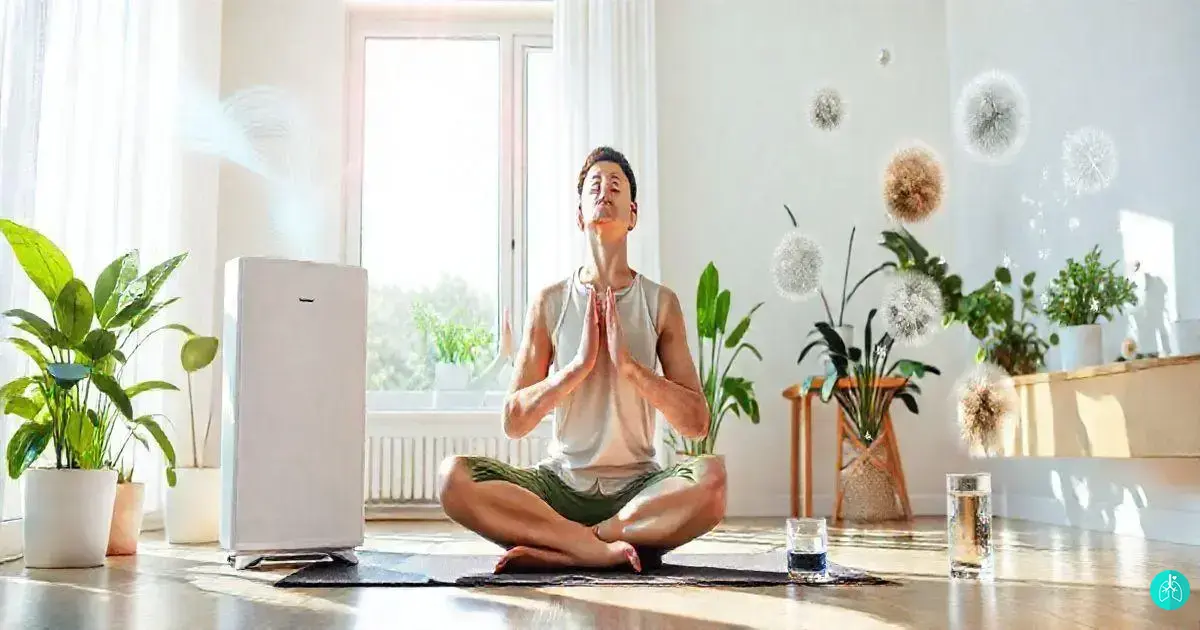
Using air purifiers effectively can significantly enhance your indoor air quality, providing much-needed relief during allergy season. These devices are designed to remove allergens such as pollen, pet dander, dust mites, and mold spores from the air, helping to create a healthier environment for your lungs.
When selecting an air purifier, look for a model with a HEPA filter, as these are specifically designed to capture small particles that can trigger allergies. Ensure that the purifier is appropriately sized for the room you plan to use it in; a unit that’s too small won’t clean the air effectively.
Proper placement of the air purifier is also crucial. Position it in areas where you spend the most time, such as your bedroom or living room, and away from walls or furniture that might obstruct airflow. For the best results, keep the air purifier running continuously, especially during high pollen seasons.
Remember to maintain your air purifier according to the manufacturer’s guidelines. Regularly replace filters and clean the unit to ensure its efficiency. Some air purifiers also come with features like air quality indicators, which can alert you when pollutant levels rise, allowing you to take action as needed.
By using air purifiers effectively, you can significantly reduce airborne allergens in your home, providing a cleaner and safer atmosphere for your lungs.
Limit Outdoor Exposure
Limiting outdoor exposure during allergy season is a smart strategy to protect your lungs from irritating allergens. While it’s essential to enjoy the outdoors, being mindful of when and how long you’re outside can make a noticeable difference in your respiratory health.
Pollen counts tend to be highest during certain times of the day, usually between 5 a.m. and 10 a.m. If possible, schedule outdoor activities for later in the day when pollen levels tend to drop. You can also check local pollen forecasts to plan your outings around peak times.
When you do go outside, wearing sunglasses can help protect your eyes from pollen, and a wide-brimmed hat can shield your face and neck. Additionally, consider wearing a mask designed for filtering out allergens if you’re engaging in activities like gardening or mowing the lawn, where you may kick up pollen or dust.
After being outdoors, take steps to minimize pollen brought inside. Change your clothes and shower to rinse away any allergens from your skin and hair. Keep windows closed and use air conditioning to filter indoor air, as this will help prevent outdoor allergens from entering your home.
By limiting outdoor exposure during peak allergy times and taking protective measures when outside, you can reduce your risk of respiratory irritation and keep your lungs healthier throughout the allergy season.
Seek Professional Guidance
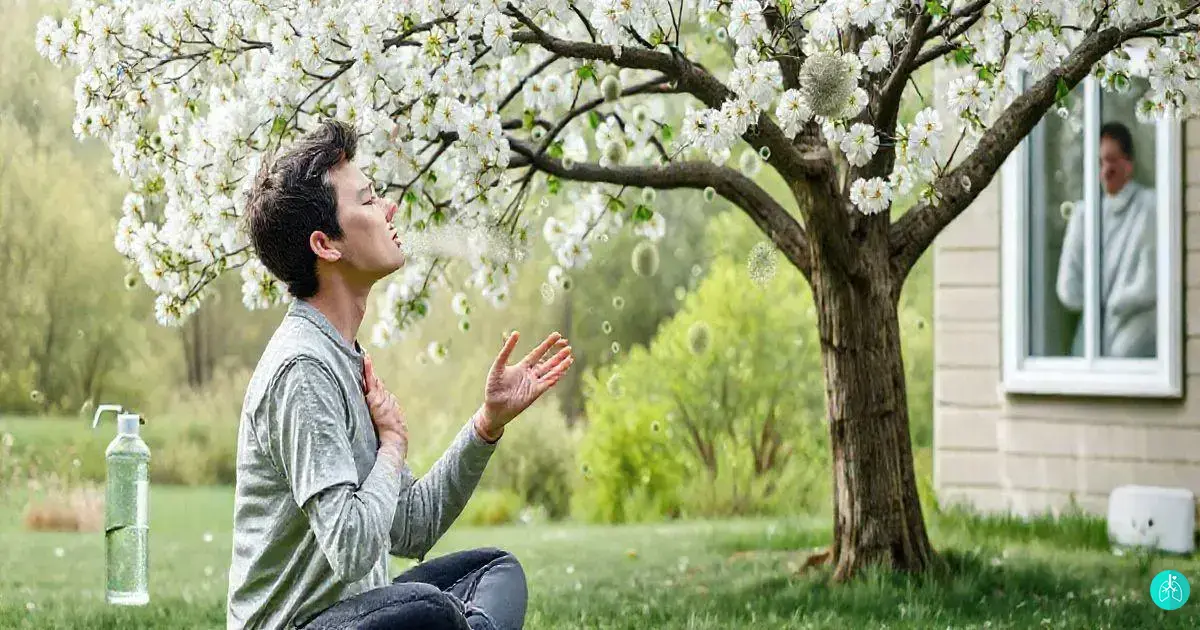
Seeking professional guidance is a vital step for those struggling with allergies, especially during the intense periods of allergy season.
Allergists or respiratory specialists can offer invaluable insights, diagnosis, and personalized strategies to help you manage your symptoms effectively.
During your appointment, a specialist can perform tests to identify specific allergens that trigger your allergic reactions. These may include skin tests or blood tests, which can pinpoint precisely what you need to avoid.
With this information, you can create a tailored action plan that includes avoiding certain allergens and utilizing preventative measures.
In addition to identifying allergens, healthcare professionals can recommend appropriate medications. Depending on your symptoms, they might suggest antihistamines, nasal sprays, or even prescription medications to help keep your symptoms in check during the worst of the season.
For some individuals, allergy shots, or immunotherapy, can provide long-term relief by gradually desensitizing your body to specific allergens. This can be a game-changer for people whose allergies are severe and difficult to manage with over-the-counter medications alone.
Don’t hesitate to reach out to a professional, especially if your symptoms become overwhelming. Getting expert guidance can enhance your quality of life and help you navigate allergy season with a more effective strategy for protecting your lungs.
Conclusion
As we navigate allergy season, incorporating effective strategies is essential to protect our lungs and maintain overall health. By understanding common allergens, practicing deep breathing techniques, staying hydrated, using air purifiers effectively, limiting outdoor exposure, and seeking professional guidance, you can significantly reduce the impact of allergies on your respiratory system.
Each of these steps plays a crucial role in creating a healthier environment for your lungs, allowing you to breathe more easily and enjoy life to the fullest, even during allergy-prone times. Remember, proactive measures can make all the difference in how you feel this season, so take control of your health and implement these tactics to support your breathing and well-being.
FAQ – Breathing Tips for Allergy Season
What are common allergens to be aware of during allergy season?
Common allergens include pollen from trees, grasses, and weeds, as well as indoor allergens like dust mites, pet dander, and mold spores.
How can deep breathing techniques help with allergies?
Deep breathing techniques promote relaxation and improve lung function, which can help alleviate the body’s reaction to allergens.
Why is hydration important for lung health during allergies?
Staying hydrated helps maintain mucus membranes in your lungs, which trap allergens and prevent irritation.
What should I look for in an air purifier?
Choose an air purifier with a HEPA filter, and ensure it’s the right size for your space to effectively reduce allergens.
How can I limit outdoor exposure to allergens?
Limit outdoor activities during peak pollen times and wear protective gear like sunglasses and masks when outside.
When should I seek professional help for my allergies?
If your allergy symptoms become severe or difficult to manage, consult an allergist or respiratory specialist for proper diagnosis and treatment options.


