
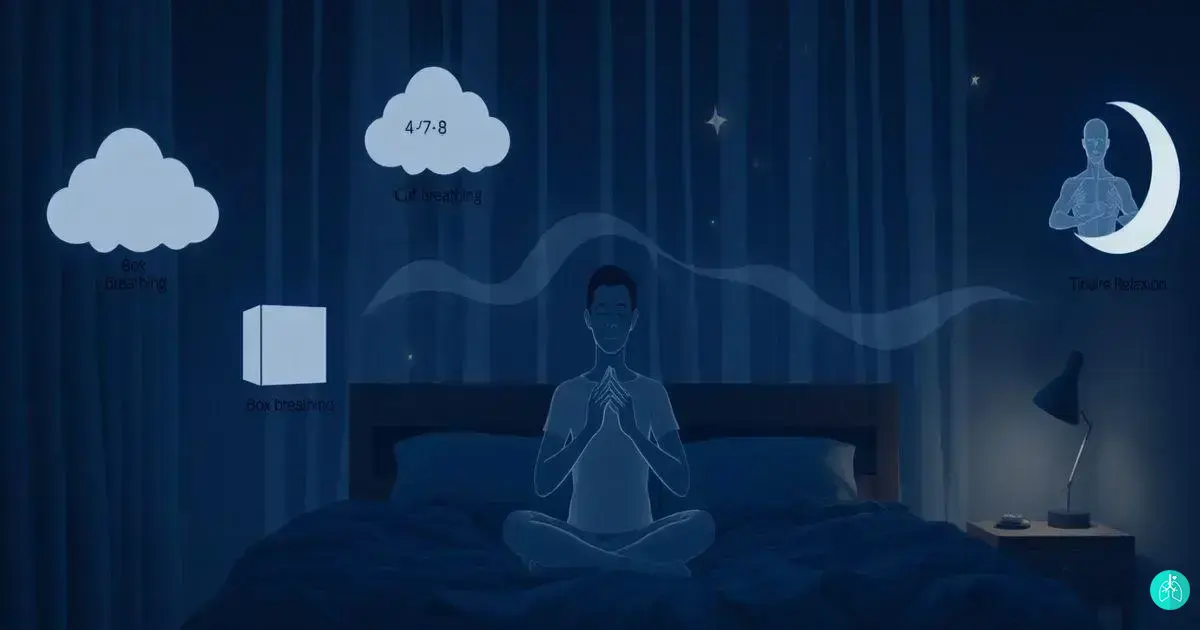
To alleviate nighttime anxiety, effective techniques include diaphragmatic breathing, 4-7-8 breathing, box breathing, and progressive muscle relaxation. These methods enhance awareness of breath and bodily sensations, promoting relaxation and better sleep quality. Incorporating these practices into your nightly routine can significantly reduce anxiety and create a more peaceful environment for restful sleep.
Nighttime anxiety can be a tough hurdle to overcome, leaving you tossing and turning when all you want is a good night’s sleep.
One effective way to calm those racing thoughts and create a peaceful atmosphere is through breathing techniques.
In this article, we’ll dive into some of the best methods to help you manage that nighttime anxiety, giving you tools that are easy to implement and can make a real difference in your nightly routine.
Understanding Nighttime Anxiety
Understanding Nighttime Anxiety is the first step to reclaiming your peace at night. Many people experience this form of anxiety, which often manifests as racing thoughts, worry about the day ahead, or lingering stress from events that occurred earlier. It’s like your mind decides that bedtime is the perfect time to relive every single moment of your day—or even anticipate potential problems!
Nighttime anxiety can be triggered by various factors. Stress at work, personal issues, or even external circumstances like the news can contribute significantly. If you’re a typical overthinker, you might find that your mind runs wild as soon as you lay down, making it hard to relax.
Moreover, poor sleep can create a vicious cycle, as the lack of rest may intensify feelings of anxiety and tension. It’s no wonder that many people find themselves in a constant loop of sleepless nights filled with worry.
But here’s the good news: by understanding the roots of your nighttime anxiety, you can start to take actionable steps to combat it. One effective approach that many have found useful is utilizing breathing techniques, which can help ground your thoughts and center your mind before bed.
The Importance of Controlled Breathing
The Importance of Controlled Breathing cannot be overstated, especially when it comes to managing anxiety. When we’re anxious or stressed, our breath often becomes shallow and rapid, which can increase feelings of panic and discomfort. This is where learning how to control your breathing can make a world of difference.
Controlled breathing works by activating the body’s parasympathetic nervous system, which promotes a state of calmness. When you focus on your breath, you help counteract the stress response that anxiety triggers. It acts like a reset button for your body, giving you the space to step back from your worries and regain control.
Additionally, controlled breathing can improve your mental clarity and overall emotional well-being. It allows you to take a moment to check in with yourself, reducing the overwhelming sensations that nighttime anxiety can stir up. Feeling grounded in your breath means you are less likely to spiral into a cycle of anxious thoughts.
Moreover, this practice is entirely portable and can be done anywhere. Whether you’re in bed, at work, or even in a crowded space, simple breathing techniques can always be implemented to soothe your nerves. Incorporating these methods into your nightly routine can pave the way for more restful sleep and a more relaxed mindset.
Technique 1: Diaphragmatic Breathing
Technique 1: Diaphragmatic Breathing, also known as abdominal or belly breathing, is one of the most effective ways to help combat nighttime anxiety. This technique encourages full oxygen exchange and can help slow your heart rate, resulting in deep relaxation.
To practice diaphragmatic breathing, start by finding a comfortable position—either lying down or sitting. Place one hand on your chest and the other on your abdomen. The goal here is to ensure that your belly rises and falls with your breath, not your chest. This signaling helps engage your diaphragm, allowing for deeper breaths.
Here’s a simple step-by-step process:
- Inhale slowly through your nose for a count of four, feeling your abdomen expand.
- Hold your breath for a count of two.
- Exhale gently through your mouth for a count of six, making sure your abdomen contracts.
- Repeat this process for several minutes, focusing on the rhythm of your breath.
Not only does diaphragmatic breathing help to center your thoughts, but it also engages your body in a natural relaxation response. Many people find that just a few minutes of practicing this technique before bed can significantly reduce their anxiety levels and prepare them for a restful night’s sleep.
Technique 2: 4-7-8 Breathing
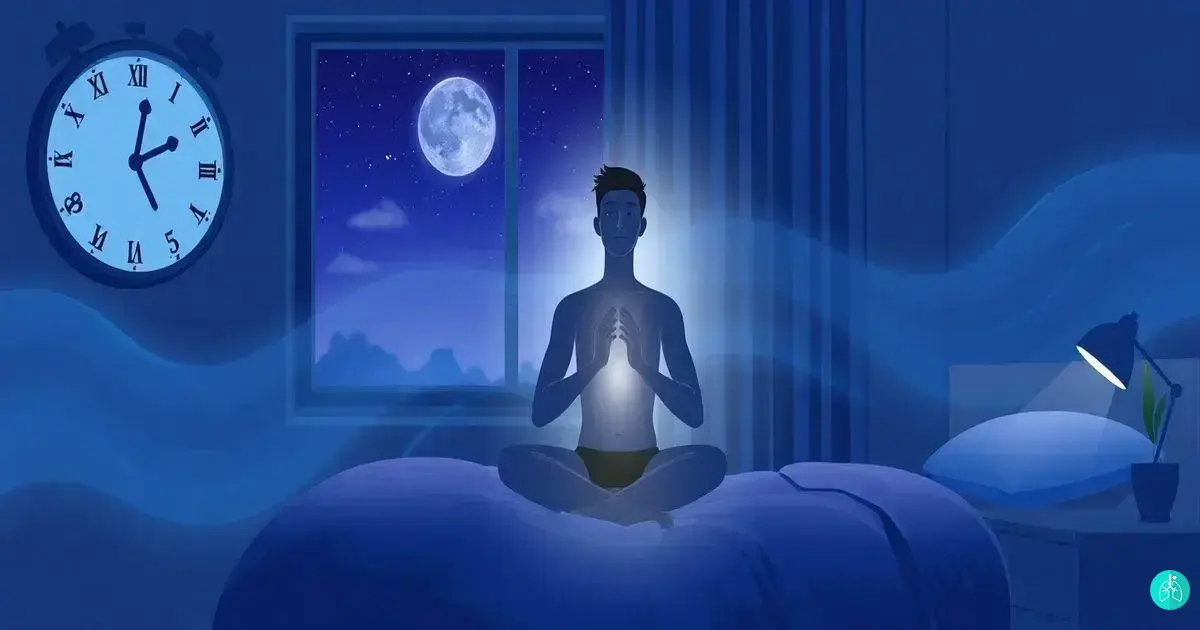
Technique 2: 4-7-8 Breathing is a simple yet powerful method created by Dr. Andrew Weil, and it’s particularly effective for calming the mind and reducing nighttime anxiety. This technique helps regulate breath and encourages relaxation through a specific pattern that can be easily remembered.
To get started with 4-7-8 breathing, find a comfortable seated position or lie down in a peaceful environment. Here’s how it works:
- Inhale quietly through your nose for a count of 4.
- Hold your breath for a count of 7.
- Exhale completely through your mouth, making a whooshing sound, for a count of 8.
Repeat this cycle up to four times to start, and as you become more comfortable with it, you can gradually increase to eight cycles. The key is to maintain the ratio of 4:7:8 throughout the exercises.
This technique is fantastic because it helps draw your focus away from anxious thoughts, leading you into a calmer mental state. The extended exhale is particularly crucial, as it helps to release tension from your body, signaling to your nervous system that it’s time to relax.
Many practitioners report that after incorporating this technique into their nighttime routine, they not only sleep better but also feel more at peace overall. So the next time anxiety hits you at night, give 4-7-8 breathing a try—it just might be the tranquil escape you need.
Technique 3: Box Breathing
Technique 3: Box Breathing is a versatile and calming breathing method that’s often used by professionals in high-stress situations, including athletes and military personnel. This technique is excellent for grounding your thoughts and can be particularly beneficial for those dealing with nighttime anxiety.
The name ‘box breathing’ comes from the equal length of each phase of the breath cycle, creating a ‘box’ effect. Here’s how you can practice box breathing:
- Inhale deeply through your nose for a count of 4, letting your abdomen expand fully.
- Hold your breath for another count of 4.
- Exhale slowly through your mouth for a count of 4, feeling the tension release.
- Hold your breath again for a count of 4.
Repeat this cycle for several minutes, allowing yourself to settle into a rhythm. You can visualize a box (or a square) in your mind, tracing the edges with your breath—this helps to reinforce the structure of the technique.
Box breathing is particularly effective because it not only calms the nervous system but also helps refocus your mind. By concentrating on counting and your breath, you divert attention from anxious thoughts and foster a sense of control.
Many people find that practicing box breathing before bed helps ease them into sleep more effectively. So the next time you find your mind racing or feel overwhelmed, pause, take a moment, and try box breathing—it’s a fantastic tool to have in your anxiety relief toolkit.
Technique 4: Progressive Muscle Relaxation

Technique 4: Progressive Muscle Relaxation (PMR) is a powerful method for releasing tension in your body, which can play a significant role in combating nighttime anxiety.
This technique involves systematically tensing and then relaxing different muscle groups, helping you to become more aware of physical sensations and encouraging deep relaxation.
To practice PMR, follow these simple steps:
- Find a quiet and comfortable spot, either lying down or sitting in a relaxed position.
- Starting at your feet, tense the muscles for about 5 seconds, squeezing as tightly as you can.
- Release the tension and notice how the muscles feel when they relax. Take a moment to appreciate the sensation.
- Move up to the next muscle group (calves, thighs, abdomen, arms, shoulders, and face), repeating the process of tensing and relaxing each group.
As you practice PMR, pay attention to how tension gradually dissipates from your body. This awareness can help you identify areas where you typically hold stress, allowing for a more focused release.
You might also find it helpful to integrate controlled breathing with PMR by inhaling while you tense the muscles and exhaling as you release.
The beauty of PMR lies in its ability to create a sense of calm and relaxation throughout your body, making it a wonderful addition to your nighttime routine.
By the end of your practice, you should feel both mentally and physically prepared for a restful night’s sleep.
If you consistently practice this technique, you’ll likely find that your overall stress levels decrease, leading to better sleep quality and a greater sense of well-being.
So why not give Progressive Muscle Relaxation a shot tonight? It might just become your go-to way to unwind!
Conclusion
In summary, managing nighttime anxiety can be effectively achieved through various breathing techniques and practices. Techniques such as diaphragmatic breathing, 4-7-8 breathing, box breathing, and progressive muscle relaxation provide simple yet powerful tools to calm the mind and body before bedtime.
By incorporating these techniques into your nightly routine, you’re not only working towards reducing anxiety but also setting the stage for improved sleep quality. Each method encourages a deeper connection with your breath and awareness of your body, promoting an overall sense of tranquility.
So, the next time you find yourself struggling with anxiety as the sun sets, remember that these techniques can empower you to reclaim your nights. Experiment with them, see what resonates best with you, and embrace the calm. Sleep isn’t just a luxury; it’s a vital part of your mental and emotional health.
FAQ – Breathing Techniques for Nighttime Anxiety
What is nighttime anxiety?
Nighttime anxiety is a form of anxiety that manifests during the night, often resulting in racing thoughts and difficulty relaxing before sleep.
How can breathing techniques help with anxiety?
Breathing techniques can help calm the nervous system, focus the mind, and promote relaxation, effectively reducing feelings of anxiety.
What is diaphragmatic breathing?
Diaphragmatic breathing, or belly breathing, involves deep breathing that engages your diaphragm, allowing for full oxygen exchange and relaxation.
What is the 4-7-8 breathing technique?
The 4-7-8 technique involves inhaling for 4 seconds, holding for 7 seconds, and exhaling for 8 seconds, promoting relaxation and calmness.
How does box breathing work?
Box breathing consists of equal parts breathing: inhaling for 4 seconds, holding for 4 seconds, exhaling for 4 seconds, and holding again for 4 seconds, creating a calming effect.
What is Progressive Muscle Relaxation?
Progressive Muscle Relaxation is a technique that involves tensing and then relaxing different muscle groups in your body, helping to release tension and promote relaxation.


