
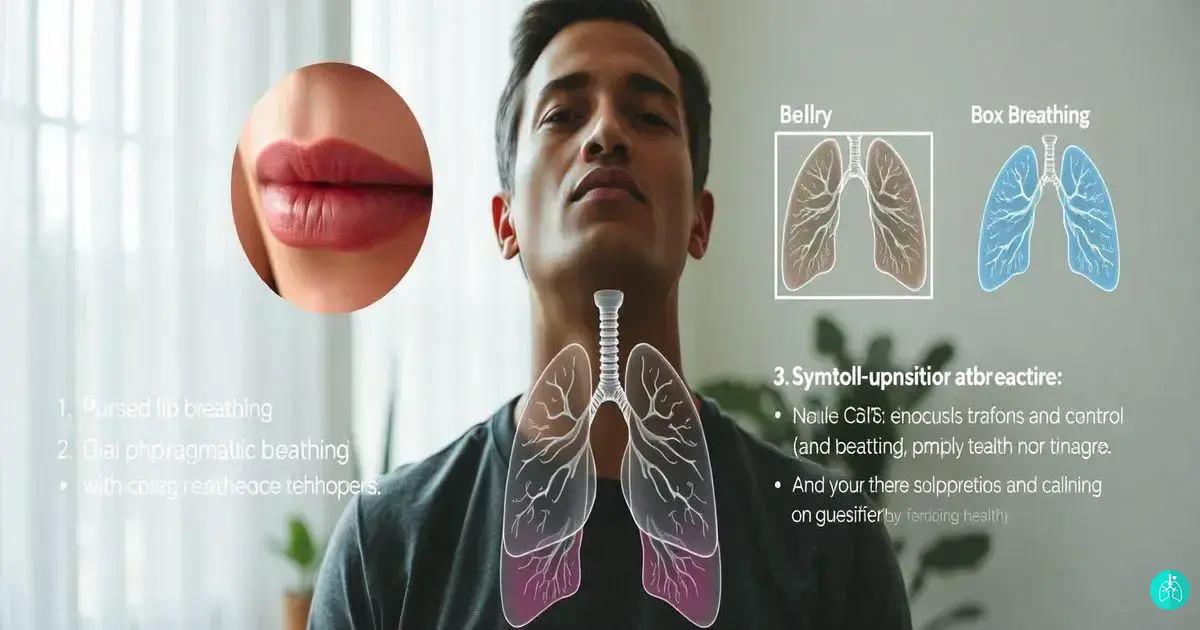
Breathing techniques like pursed lip breathing, diaphragmatic breathing, and box breathing are essential for managing shortness of breath in individuals with COPD. These methods improve lung function, reduce anxiety, and enhance quality of life, allowing individuals to regain control over their breathing and make daily activities easier. Regular practice can alleviate panic during breathlessness episodes and significantly boost overall lung health and well-being.
Shortness of breath is a common challenge faced by those living with COPD (Chronic Obstructive Pulmonary Disease).
It can be both frightening and exhausting.
Luckily, there are specific breathing techniques that can help manage and reduce these episodes.
This article delves into some effective strategies to not just cope with but actively combat the debilitating feelings of breathlessness.
Whether you’re newly diagnosed or have been managing COPD for years, these techniques can be beneficial in improving your quality of life.
Understanding COPD and Its Impact on Breathing
Understanding Chronic Obstructive Pulmonary Disease (COPD) is crucial for anyone affected by this chronic condition. COPD encompasses a range of progressive lung diseases, including emphysema and chronic bronchitis, which make it difficult to breathe.
Essentially, COPD damages the airways and air sacs in the lungs, leading to a decreased ability to move air in and out effectively. Over time, this causes persistent breathlessness, especially during physical activities. Many patients describe it as feeling like they are breathing through a straw, which can be both distressing and discouraging.
The causes of COPD are predominantly related to long-term exposure to irritants that damage the lungs, with smoking being the most common culprit. Other contributing factors can include air pollution, dust, and chemical fumes. Understanding these risk factors is vital for both prevention and management.
Moreover, COPD not only affects the lungs but also has significant repercussions on overall health. Patients often experience increased fatigue, anxiety, and a decline in their ability to perform daily activities. This can lead to feelings of isolation and frustration.
By comprehending the nature of COPD and its impact on breathing, individuals can be better equipped to implement effective strategies, such as the ones we will discuss in the following sections. Recognizing the signs and learning about the techniques to counteract shortness of breath can empower patients to take active roles in their management.
The Importance of Controlled Breathing Techniques
Controlled breathing techniques play a vital role in managing shortness of breath associated with COPD. These techniques are essentially tools that help individuals regain control over their breathing patterns, which can significantly alleviate feelings of panic and anxiety that often accompany breathlessness.
When faced with shortness of breath, our instinct may be to take rapid, shallow breaths. This can lead to a cycle of increased anxiety and further breathing difficulties. However, by practicing controlled breathing techniques, patients can break this cycle and transition to a more calm and steady approach to respiration.
One of the primary benefits of these techniques is that they promote more efficient lung function. By focusing on slow, deep breaths, individuals can help open up their airways and improve oxygen exchange. This not only enhances the supply of oxygen to the body but also facilitates the removal of carbon dioxide, which can build up in the bloodstream during episodes of breathlessness.
Additionally, controlled breathing can have a positive psychological impact. By incorporating mindfulness into breathing practices, patients can learn to stay present and assess their feelings without letting anxiety take over. This sense of mindfulness can foster greater emotional resilience when dealing with the stressors of living with COPD.
Lastly, implementing these techniques as part of a daily routine can lead to long-term benefits. Regular practice enables individuals to respond more effectively to acute episodes of breathlessness, building their confidence in managing COPD on their own terms.
Technique 1: Pursed Lip Breathing
Pursed lip breathing is a simple yet effective technique for managing shortness of breath in individuals with COPD. This method can help keep the airways open longer, allowing for better air exchange.
To practice pursed lip breathing, follow these steps:
- Inhale slowly through your nose for about two counts, allowing your belly to expand.
- Then, purse your lips as if you’re going to whistle.
- Exhale slowly and gently through your pursed lips for about four counts. This longer exhale is crucial as it helps to empty your lungs more completely, reducing any trapped air.
This technique may seem straightforward, but its benefits are profound. By consciously controlling your breath, you can enhance your lung capacity and reduce feelings of breathlessness. It also helps to regulate your breathing rate, which can decrease feelings of anxiety during breathing difficulties.
Additionally, pursed lip breathing can be especially helpful during physical activities. For instance, if you’re climbing stairs or walking, you can use this technique to maintain control over your breathing, making these tasks feel less overwhelming.
As you practice, you may find it beneficial to incorporate pursed lip breathing into your daily routine. Doing so not only reinforces the habit but also helps to improve your overall lung function and comfort level with breathing.
Technique 2: Diaphragmatic Breathing
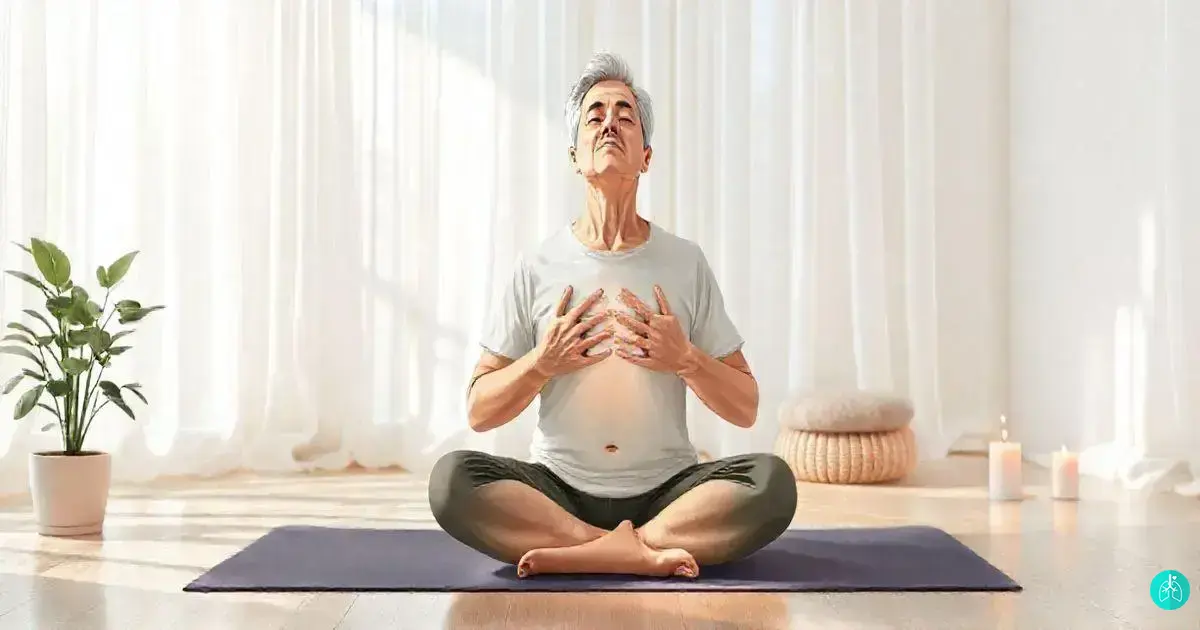
Diaphragmatic breathing, also known as abdominal or belly breathing, is another powerful technique designed to enhance lung function and reduce shortness of breath. This method focuses on engaging the diaphragm—a large muscle located below the lungs—allowing for deeper and more efficient breaths.
Here’s how to practice diaphragmatic breathing:
- Find a comfortable position, either sitting or lying down. If lying down, place a pillow under your knees for support.
- Place one hand on your chest and the other on your abdomen. This will help you monitor your breathing.
- Inhale slowly through your nose, ensuring that the hand on your abdomen rises while the hand on your chest remains relatively still. Aim to fill your lungs from the bottom up.
- Exhale slowly through your mouth, allowing your abdomen to fall as you release the air.
Practicing diaphragmatic breathing can significantly improve lung capacity, decrease the work of breathing, and enhance oxygen delivery throughout your body. It encourages fuller breaths and helps you develop a sense of control over your breathing process.
This technique is especially useful when managing stress or anxiety related to breathlessness. By focusing on deep breathing, you activate the body’s relaxation response, which can alleviate tension and promote a sense of calm.
Incorporating diaphragmatic breathing into your daily routine—such as during moments of rest or meditation—can lead to long-lasting benefits in managing COPD symptoms. Over time, you may notice a greater ease in breathing during both rest and activity.
Technique 3: Box Breathing
Box breathing, also known as square breathing, is an effective mindfulness technique that can help regulate your breathing and reduce anxiety, particularly in individuals with COPD. This method involves a rhythmic pattern of inhaling, holding, exhaling, and holding again, creating a ‘box’ effect that promotes calmness and control.
Here’s how to practice box breathing:
- Start by sitting comfortably in a quiet place where you can focus.
- Inhale slowly through your nose for a count of four, allowing your chest and abdomen to expand.
- Hold your breath for another count of four.
- Exhale gently through your mouth for a count of four, releasing all the air from your lungs.
- Finally, hold your breath again for a count of four before inhaling and repeating the cycle.
This technique can be particularly beneficial in situations where you might feel overwhelmed or experience sudden shortness of breath. The structured approach helps to divert attention away from anxiety and refocus on your breath, fostering a sense of control and tranquillity.
Moreover, box breathing is flexible and can be easily integrated into a daily routine—whether you’re at home, work, or on the go. Just a few minutes of practice can set a positive tone for your day or provide quick relief during stressful moments.
Consistent practice can lead to improved lung function, enhanced awareness of your breath, and a calmer mindset, making it a valuable tool in your COPD management toolbox.
Tips for Practicing Breathing Techniques Daily

To truly benefit from the various breathing techniques—like pursed lip, diaphragmatic, and box breathing—it’s essential to incorporate them into your daily routine. Here are some practical tips to help you practice these techniques consistently:
- Set a Regular Schedule: Designate specific times each day for your breathing exercises. Whether it’s in the morning, during lunch breaks, or before bedtime, having a routine can make it easier to stick with your practice.
- Create a Comfortable Space: Find a quiet and comfortable place where you can comfortably practice your breathing. This might be a cozy corner in your home, a garden, or any spot that feels relaxing.
- Incorporate Breathing into Daily Activities: Try to integrate breathing techniques into your normal tasks, such as when you’re walking, cooking, or even waiting in line. This can make the techniques feel less like a chore and more like a natural part of your activities.
- Start with Short Sessions: If you’re new to these techniques, begin with just a few minutes of practice each day. Gradually increase the duration as you become more comfortable and proficient.
- Use Reminders: Set reminders on your phone or sticky notes in visible places to prompt you to practice your breathing techniques. Sometimes, we just need a little nudge to remember to take a moment for ourselves.
- Reflect on Your Progress: Keep a journal to track your experiences with each technique. Note any improvements in your breathing, mood, and overall health. Reflecting on your progress can motivate you to continue.
Remember, consistency is key! By dedicating time to your breathing techniques, you can cultivate better lung function and a more relaxed state of mind, ultimately improving your overall quality of life while managing COPD.
Conclusion
In summary, mastering breathing techniques can significantly enhance the quality of life for individuals living with COPD. By incorporating methods like pursed lip breathing, diaphragmatic breathing, and box breathing, you can effectively manage shortness of breath and reduce anxiety.
These techniques empower you to take control of your breathing, improve lung function, and foster a sense of calm.
Practicing these techniques daily is essential for realizing their full benefits. As you establish a routine, you’ll likely find that these methods not only ease your breathlessness but also enhance your overall well-being.
With commitment and practice, individuals with COPD can lead fulfilling lives with fewer limitations. Remember, you are not alone in this journey, and these powerful breathing techniques can be vital tools in your management plan.
FAQ – Breathing Techniques for COPD
What is COPD?
COPD stands for Chronic Obstructive Pulmonary Disease, a collection of lung diseases that cause breathing difficulties.
How can breathing techniques help with COPD?
Breathing techniques can help improve lung function, reduce feelings of shortness of breath, and promote relaxation during episodes of panic.
What is pursed lip breathing?
Pursed lip breathing involves inhaling through the nose and exhaling slowly through pursed lips, which helps keep airways open and improve airflow.
How do I practice diaphragmatic breathing?
Diaphragmatic breathing involves placing one hand on your chest and the other on your abdomen, inhaling deeply through your nose, and ensuring the abdomen rises while the chest remains steady.
What is box breathing?
Box breathing, or square breathing, consists of a pattern of inhaling, holding, exhaling, and holding again for equal counts, which helps promote mindfulness and calmness.
How often should I practice these breathing techniques?
It’s beneficial to practice these techniques daily. Start with a few minutes and gradually increase the duration to reinforce the habits and improve breathing control.


