
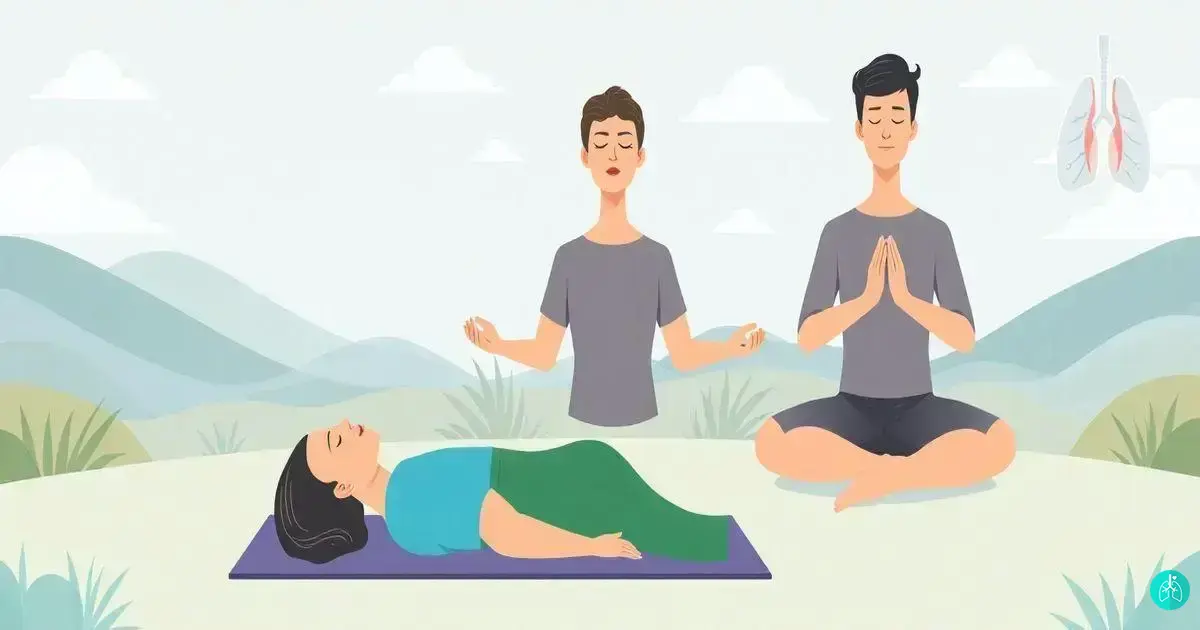
Breathing techniques such as diaphragmatic breathing, pursed lip breathing, and box breathing are essential for enhancing lung capacity and overall health. These methods improve oxygen intake, reduce stress, and can boost athletic performance. Regularly incorporating these exercises into daily routines—during mornings, breaks, or workouts—offers significant health benefits, promoting relaxation and focus, and empowering individuals to take control of their respiratory health.
Improving your lung capacity is essential for better health, whether you’re an athlete, a fitness enthusiast, or seeking everyday wellness.
Breathing techniques can be a game changer, helping to enhance oxygen flow, reduce stress, and boost overall vitality.
In this article, we’ll dive deep into various breathing methods that you can easily integrate into your routine.
Are you ready to uncover the secrets to better breathing?
Understanding Lung Capacity
Lung capacity refers to the total amount of air your lungs can hold and is crucial for efficient respiratory function. It plays a significant role in how well your body can perform in physical activities and impacts your overall health.
Generally, lung capacity is measured in several ways, including total lung capacity (TLC), which encompasses all the air in the lungs; vital capacity (VC), the maximum amount of air exhaled after a deep breath; and functional residual capacity (FRC), the amount of air remaining in the lungs after a normal exhalation.
Your lung capacity can be influenced by numerous factors, such as age, gender, body composition, and physical activity level. For instance, athletes typically have greater lung capacity due to their training, which enhances their respiratory efficiency.
Understanding your lung capacity allows you to implement targeted techniques to improve it, leading to better performance in sports, increased stamina in daily activities, and enhanced overall respiratory health.
Why Breathing Techniques Matter

Breathing techniques are essential because they directly impact our health and well-being. In a world often filled with stress, anxiety, and fast-paced living, learning to control your breath can be transformative. Here’s why these techniques truly matter:
First, effective breathing techniques can enhance oxygen intake. When practiced correctly, these techniques help maximize the amount of oxygen that reaches your lungs and, in turn, your bloodstream. More oxygen means better energy levels and improved overall function.
Second, these techniques can promote relaxation and reduce stress. Engaging in deep, controlled breathing activates the body’s relaxation response, which can help lower heart rate, reduce blood pressure, and decrease levels of anxiety. Think of it as a natural antidote to the chaos of daily life.
Additionally, mastering breathing techniques can support improved lung health. Regular practice encourages lung expansion, strengthens respiratory muscles, and can even delay the decline of lung function that comes with aging.
Finally, using specific breathing techniques can enhance athletic performance and stamina. Many athletes incorporate breathing exercises into their routines to boost endurance, optimize energy levels, and improve recovery time.
Overall, understanding and practicing breathing techniques can lead to a healthier, more balanced life, enabling you to handle challenges with greater ease.
Diaphragmatic Breathing Explained
Diaphragmatic breathing, also known as abdominal or deep breathing, is a fundamental technique aimed at maximizing our lung capacity. Instead of shallow chest breathing, this method focuses on engaging the diaphragm, a dome-shaped muscle located beneath your lungs.
Here’s how it works: when you inhale deeply using your diaphragm, your belly expands as your lungs fill with air. Conversely, when you exhale, your belly falls as air is pushed out. This method not only encourages full oxygen exchange but also promotes relaxation and reduces stress.
To practice diaphragmatic breathing effectively, follow these simple steps:
- Find a comfortable position—either lying down on your back or sitting upright in a chair.
- Place one hand on your chest and the other on your belly, allowing you to feel the movement as you breathe.
- Inhale deeply through your nose, ensuring that your diaphragm inflates and your belly rises while your chest remains relatively still.
- Hold your breath for a moment, then slowly exhale through your mouth, allowing your belly to fall.
- Repeat this process for several minutes, focusing on taking slow, steady breaths.
As you integrate this technique into your routine, you may notice additional benefits, such as improved concentration and better emotional regulation. Diaphragmatic breathing is particularly useful for those experiencing anxiety or panic, acting as a calming technique to ground you.
In summary, diaphragmatic breathing is a powerful method for enhancing lung capacity, promoting relaxation, and fostering a greater connection between your mind and body.
Pursed Lip Breathing Technique

Pursed lip breathing is a simple but effective technique that can aid in better oxygenation and improve lung function. This method primarily focuses on controlling your breath and is particularly beneficial for individuals with respiratory issues, such as COPD (Chronic Obstructive Pulmonary Disease) or asthma.
The essence of pursed lip breathing lies in its technique: by breathing in deeply through your nose and exhaling slowly through pursed lips (like blowing out a candle), you create resistance in your airways. This controlled exhalation helps to keep your airways open longer, allowing for more complete exhalation of stale air and deeper inhalation of fresh air.
Here’s a simple step-by-step guide to practicing pursed lip breathing:
- Start by sitting in a comfortable position or lying down.
- Inhale deeply through your nose for about 2 counts. Focus on filling your lungs fully.
- Then, purse your lips together, as if you’re about to whistle.
- Exhale slowly and gently through your pursed lips for about 4 counts, feeling the air leaving your body.
- Repeat this for several cycles, aiming for at least 5-10 minutes each session.
Not only does pursed lip breathing encourage better ventilation, but it can also help you feel more relaxed and centered. It can be particularly useful during periods of physical activity—allowing you to maintain better control over your breathing as you exert yourself.
In conclusion, mastering the pursed lip breathing technique can enhance your overall lung capacity and provide a sense of calmness amid stress or physical exertion. It’s a valuable skill that you can incorporate into your daily routine for improved respiratory health.
Box Breathing: Steps and Benefits
Box breathing, also known as square breathing, is a rhythmic breathing technique that can help reduce stress, enhance focus, and improve lung capacity. This method involves taking equal-length breaths in four stages, creating a calming effect that can be beneficial in both high-pressure situations and daily mindfulness practices.
The technique gets its name from the fact that the inhalation, retention, exhalation, and retention phases can all be visualized as the sides of a box. Here’s how to practice box breathing:
- Inhale: Breathe in deeply through your nose for a count of four. Focus on filling your lungs and expanding your belly.
- Hold: Hold your breath for another count of four, letting the air settle in your lungs.
- Exhale: Exhale slowly through your mouth for a count of four, feeling your belly fall.
- Hold: Hold your breath again for a count of four before starting the cycle over.
Repeat this cycle for several minutes, gradually increasing the duration as your comfort with the technique grows.
The benefits of box breathing are numerous:
- Reduces stress and anxiety: This technique helps regulate your breathing pattern, which can lead to lower heart rates and reduced levels of cortisol, the stress hormone.
- Enhances focus and concentration: Engaging in this structured breathing can clear your mind, making it easier to focus on tasks at hand.
- Improves lung capacity: Like other breathing techniques, box breathing promotes better oxygen exchange and encourages deeper, more effective breaths.
- Promotes relaxation: By focusing on your breath and the rhythm of your inhalations and exhalations, you can foster a greater sense of calm and relaxation.
Box breathing is not only simple to learn but can also be practiced anywhere—from your desk at work to the comfort of your home. Incorporating this technique into your routine can lead to a more mindful and balanced life, enhancing your overall respiratory health.
Incorporating Breathing Exercises into Daily Life
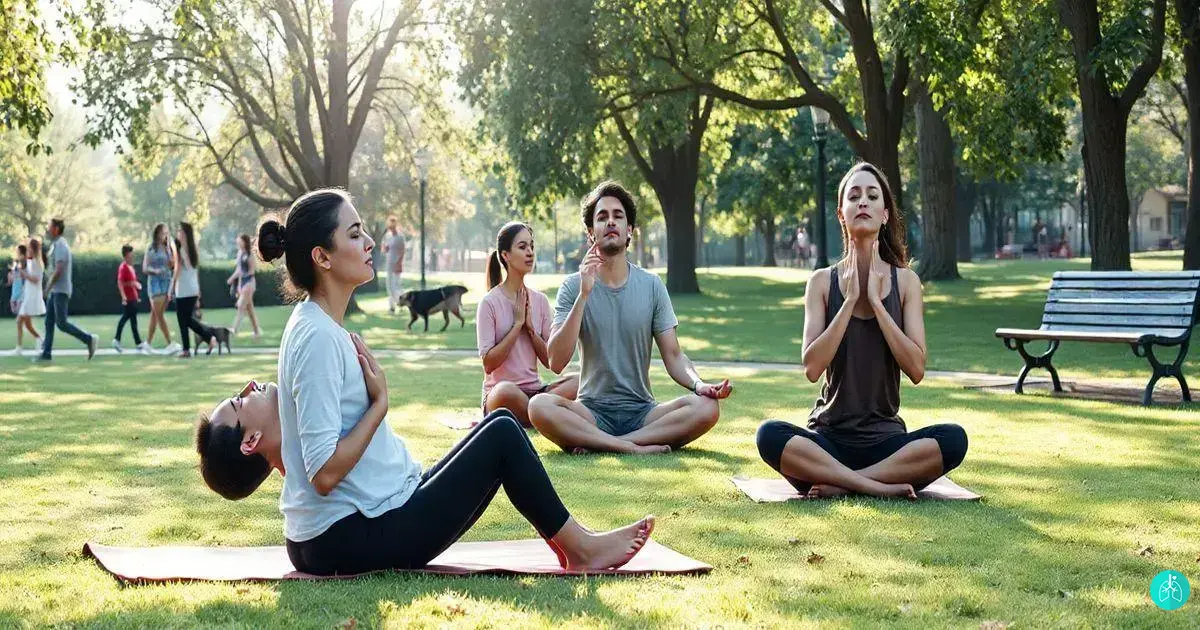
Incorporating breathing exercises into your daily routine can significantly improve your lung capacity, reduce stress, and enhance overall well-being. The great thing about these exercises is that they can be seamlessly integrated into various aspects of your day, making them easy and convenient.
Here are some practical tips for adding breathing exercises into your everyday life:
- Morning Routine: Start your day with a few minutes of deep breathing before getting out of bed. This helps set a positive tone for the day ahead.
- Mindful Breaks: Take short breaks during your work or study sessions. Stand up and practice box breathing or diaphragmatic breathing for a few minutes to refresh your mind.
- During Commutes: Whether you’re driving or taking public transport, use this time to engage in breathing exercises. Focus on your breath to help pass the time and reduce commuting stress.
- Exercise Sessions: Incorporate breathing techniques into your workouts, especially during warm-ups and cool-downs. Being mindful of your breath can enhance your physical performance and recovery.
- Relaxation Techniques: After a long day, practice pursed lip or box breathing while unwinding in the evening. This can help you drift off into a peaceful sleep.
In addition to these specific times, it’s also beneficial to create dedicated moments for breathing exercises in your day. Consider setting aside a few minutes each day—perhaps during lunch or right before bed—to focus entirely on your breathing without distractions. This mindfulness practice can sharpen your awareness, making deep breathing second nature over time.
As you make breathing exercises a consistent part of your routine, you might find that you not only breathe better but also feel calmer and more in control throughout your day. It’s a simple yet profound way to take charge of your health and wellness.
Conclusion
Integrating breathing techniques into your daily routine can lead to significant improvements in your lung capacity, overall health, and emotional well-being.
Whether it’s through diaphragmatic breathing, pursed lip techniques, or structured box breathing exercises, each method offers unique benefits that can transform how you manage stress, enhance physical performance, and promote relaxation.
By understanding the importance of these techniques and consciously incorporating them into your life—whether during your morning routine, while working, or as part of your exercise sessions—you empower yourself to take control of your health.
With just a few minutes a day, you can unlock a deeper connection with your body, increasing your resilience and vitality in the process.
So, why wait? Start practicing these breathing techniques today, and experience the difference they can make in your life!
FAQ – Breathing Techniques to Improve Lung Capacity
What are breathing techniques, and why are they important?
Breathing techniques are methods aimed at controlling breath for better oxygenation, reduced stress, and enhanced lung function. They can significantly impact your overall health.
How does diaphragmatic breathing work?
Diaphragmatic breathing focuses on engaging the diaphragm to maximize lung capacity, allowing for deeper, more effective breaths that promote relaxation and improved oxygen exchange.
What is pursed lip breathing, and when should I use it?
Pursed lip breathing is a technique that involves inhaling deeply through the nose and exhaling slowly through pursed lips. It’s beneficial for improving oxygenation and can be used during physical activity or stressful situations.
Can box breathing help reduce anxiety?
Yes! Box breathing is a calming technique that helps regulate breathing patterns, often leading to lower heart rates and reduced anxiety levels during stressful moments.
How can I incorporate breathing exercises into my daily routine?
You can integrate breathing exercises by practicing them during your morning routine, taking mindful breaks throughout the day, or using them as part of your exercise warm-ups and cool-downs.
What benefits can I expect from practicing breathing techniques regularly?
Regular practice can lead to improved lung capacity, reduced stress, enhanced focus, better emotional regulation, and overall improved respiratory health.


