
Contents
- 1 Understanding COPD and Its Challenges
- 2 The Importance of Proper Breathing
- 3 Breathing Techniques to Improve Lung Function
- 4 Incorporating Breathing Exercises into Daily Life
- 5 How to Create a Safe and Active Environment
- 6 Monitoring Your Progress and Adjusting Your Routine
- 7 Conclusion
- 8 FAQ – Frequently Asked Questions about Breathing Techniques and COPD
- 8.1 What are some effective breathing techniques for managing COPD?
- 8.2 How can I incorporate breathing exercises into my daily routine?
- 8.3 What should I consider when creating a safe environment for my activities?
- 8.4 How can I monitor my progress with COPD?
- 8.5 Why is it important to listen to my body while managing COPD?
- 8.6 How can I find support while managing my COPD?
Effectively managing Chronic Obstructive Pulmonary Disease (COPD) requires understanding and practicing breathing techniques like diaphragmatic and pursed-lip breathing to enhance lung function and oxygen intake. Incorporating these exercises into daily routines, creating a supportive environment, and monitoring progress are essential. Consistency, realistic goal-setting, and listening to your body allow for necessary adjustments. Building a supportive network and celebrating small achievements can empower you to live actively and positively with COPD.
For those living with COPD (Chronic Obstructive Pulmonary Disease), staying active can feel daunting.
But did you know that proper breathing techniques can make all the difference?
Understanding how to breathe effectively can not only help manage symptoms but also boost your overall activity levels.
In this article, we’ll explore various breathing techniques that can support an active lifestyle despite the challenges of COPD.
Understanding COPD and Its Challenges
Understanding COPD and Its Challenges
Chronic Obstructive Pulmonary Disease, commonly known as COPD, is a progressive lung disease that causes breathing difficulties. It primarily includes conditions such as emphysema and chronic bronchitis, both of which affect airflow and make it hard to breathe freely. One of the most frustrating aspects of COPD is its impact on daily life.
Individuals with COPD often experience shortness of breath, especially during physical activities. This limitation can lead to a more sedentary lifestyle, increasing the risk of fatigue and other health issues. Moreover, feelings of anxiety and frustration can arise when simple tasks like climbing stairs or walking to the mailbox become overwhelming.
Managing COPD requires a multifaceted approach. It’s essential to understand your specific condition and the challenges it presents. Working with healthcare providers to develop a personalized management plan can significantly improve quality of life. This plan often includes medications, lifestyle modifications, and importantly, techniques that focus on breathing to enhance oxygen intake and overall lung function.
Being informed about COPD helps not only in managing physical symptoms but also in addressing emotional and psychological impacts. Building a support system—whether it’s family, friends, or a support group—can provide encouragement and motivation as you navigate the challenges of living with COPD.
The Importance of Proper Breathing
The Importance of Proper Breathing
Proper breathing is fundamental for everyone, but it becomes even more crucial for individuals managing COPD. When you breathe correctly, you optimize your body’s oxygen intake and improve overall lung function. This is essential for maintaining energy levels and engaging in daily activities.
For those with COPD, breathing might sometimes feel laborious, leading to shallow breaths that can further exacerbate oxygen deficiency. Shallow breathing not only limits the amount of oxygen you take in but can also increase feelings of anxiety and panic. Therefore, learning how to breathe deeply and more effectively can be transformative.
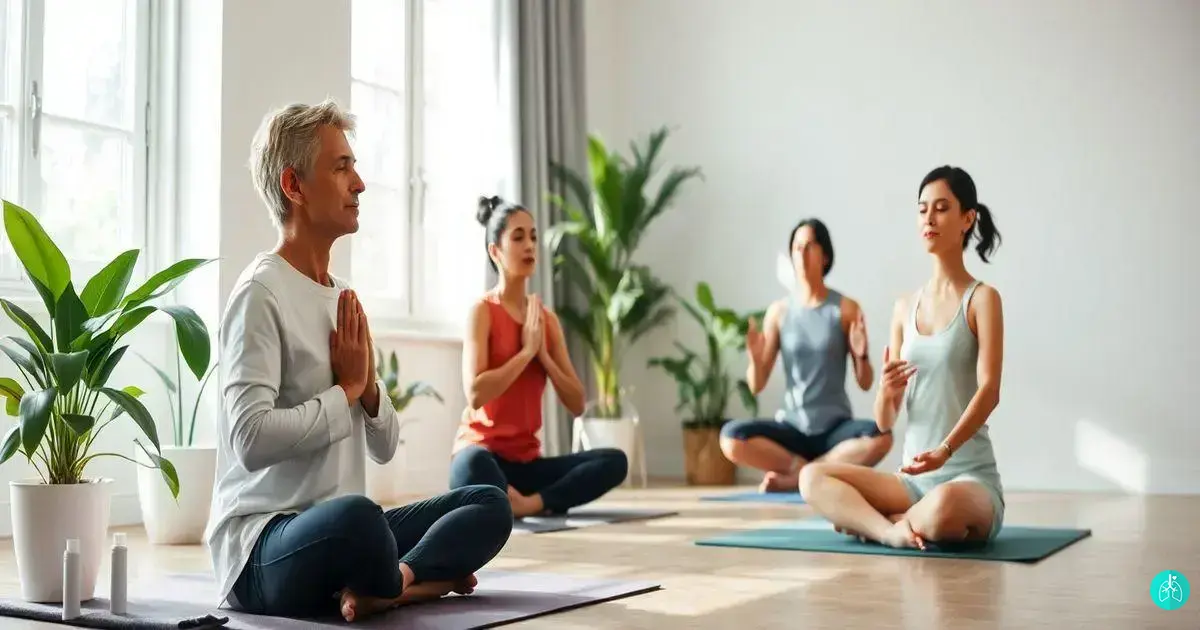
Deep breathing techniques help expand the lungs fully, allowing for better air exchange and reducing the feeling of breathlessness. When you breathe deeply, you activate the diaphragm, a major muscle in your respiratory system. This action encourages more complete lung inflation and can help relieve the sensation of tightness that many COPD patients experience.
Moreover, proper breathing can improve posture and facilitate relaxation. Being aware of your breath encourages a state of mindfulness, allowing you to manage stress and anxiety which can trigger COPD flare-ups. Regularly practicing deep breathing exercises can empower you to reclaim control over your respiratory function, making it easier to participate in activities you enjoy.
In summary, proper breathing not only supports physical health but also positively impacts emotional wellbeing, making it a vital component of living actively and healthily with COPD.
Breathing Techniques to Improve Lung Function
Breathing Techniques to Improve Lung Function
Implementing specific breathing techniques can make a significant difference for individuals with COPD seeking to enhance lung function and manage symptoms effectively. Here are a few techniques you might find beneficial:
1. Diaphragmatic Breathing: This technique focuses on using the diaphragm effectively to draw in more air. To practice, sit or lie down comfortably. Place one hand on your chest and the other on your abdomen. As you breathe in deeply through your nose, try to inflate your abdomen while keeping your chest as still as possible. Exhale slowly through pursed lips, feeling your abdomen deflate. This method promotes full oxygen exchange and strengthens the diaphragm.
2. Pursed-Lip Breathing: Pursed-lip breathing helps slow down your breathing rate and eases shortness of breath. To do this, inhale slowly through your nose for two counts, then purse your lips as if you’re about to whistle and exhale through your lips for four counts. This technique helps keep the airways open longer and facilitates better air exchange, which can be particularly helpful during physical activities.
3. Sitting Forward Breathing: This technique can be performed while seated. Lean slightly forward, resting your forearms on your thighs. Breathe in deeply through your nose for two counts, then exhale through pursed lips for four counts. This position can help open the chest and facilitate better airflow, making it easier to take deep breaths.
4. Box Breathing: This structured technique improves control over your breath. Inhale through your nose for a count of four, hold your breath for a count of four, exhale slowly through your mouth for a count of four, then hold again for four counts before repeating. This method not only improves lung function but also induces relaxation, which is essential for managing anxiety.
Integrating these breathing techniques into your daily routine can lead to better lung function, increased stamina, and a greater sense of well-being. Taking just a few minutes each day to practice these exercises can empower you to manage your COPD more effectively while enjoying a more active lifestyle.
Incorporating Breathing Exercises into Daily Life
Incorporating Breathing Exercises into Daily Life
Incorporating breathing exercises into your daily routine can greatly enhance your ability to manage COPD symptoms and promote an active lifestyle. Here’s how to seamlessly integrate these techniques into your everyday life:
1. Set Aside Time: Just like you would schedule a workout or a doctor’s appointment, set aside specific times each day for your breathing exercises. Whether it’s in the morning, during breaks at work, or in the evening, consistency is key. Start with just 5-10 minutes a day and gradually increase the duration as you become more comfortable.
2. Use Reminders: To help establish this new routine, use reminders to prompt you to practice your exercises. You could set alarms on your phone, use sticky notes in visible places, or even pair the exercises with existing habits, like after brushing your teeth or before meals.
3. Breathing During Activities: Integrate your breathing techniques into daily activities. For example, practice pursed-lip breathing while walking or during household chores. This not only helps build stamina but also reinforces the techniques when you need them most.
4. Mindful Moments: Take advantage of specific moments throughout the day to incorporate deep breathing. For instance, take a few deep breaths when you feel stressed or before a meal to enhance relaxation and mindfulness. This approach helps ground you, making breathing a natural and enjoyable part of your daily life.
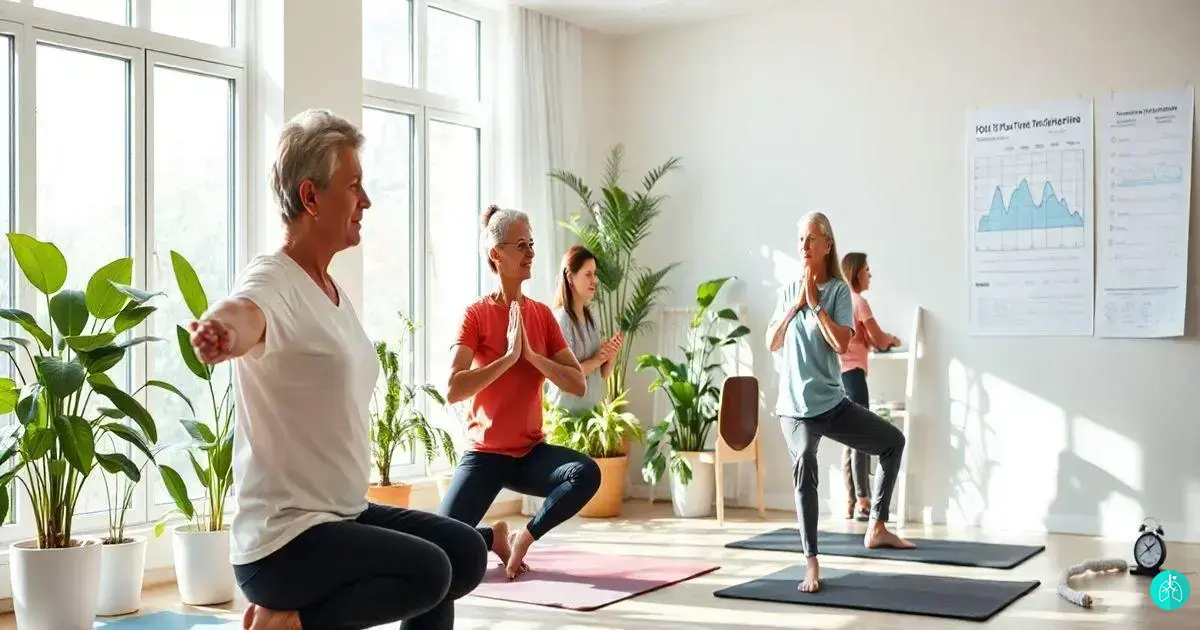
5. Join a Class or Group: Consider joining a class that focuses on breathing, such as yoga or tai chi, which often incorporates breathing techniques as part of the discipline. These environments provide support and structure for your practice, making it easier to stay motivated and engaged.
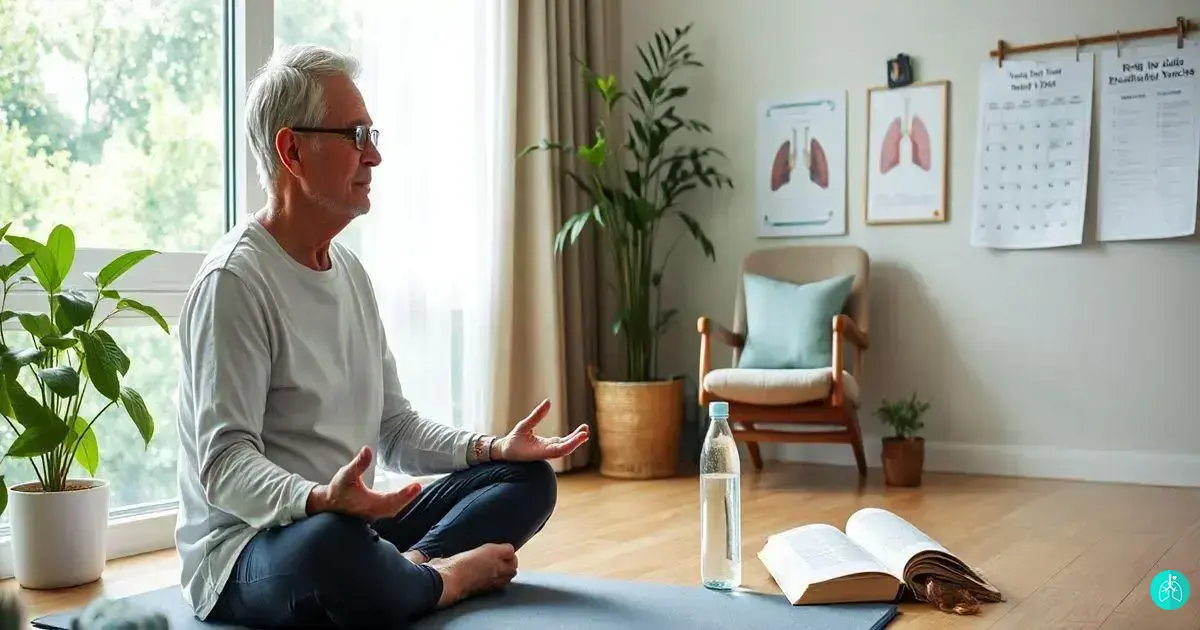
6. Create a Breathing Space: Designate a comfortable spot in your home for your breathing exercises. This space can be peaceful and free of distractions, helping you to focus and relax. Equip it with a chair or mat, perhaps some calming music, or even aromatherapy to enhance your experience.
By incorporating breathing exercises into daily life, you actively take charge of your respiratory health. The more you practice, the easier it becomes, allowing you to breathe deeper, feel more energetic, and enjoy a higher quality of life despite the challenges posed by COPD.
How to Create a Safe and Active Environment
How to Create a Safe and Active Environment
Creating a safe and active environment is crucial for individuals managing COPD, as it encourages physical activity while minimizing risks associated with the condition. Here are some tips on how to design an environment that supports your active lifestyle:
1. Organize Your Space: Clear any clutter that could become a tripping hazard. A tidy and organized living area not only promotes safety but also makes it easier to navigate your home. Ensure that frequently used items are within reach, and consider placing essentials like medications or breathing equipment in easily accessible locations.
2. Optimize Lighting: Good lighting is essential for preventing falls and facilitating movement. Ensure all areas of your home, especially stairs and hallways, are well-lit. Use bright, warm LED bulbs and consider motion sensor lights for added convenience. Natural light is also beneficial, so keep curtains open during the day.
3. Invest in Supportive Equipment: If necessary, use supportive devices such as grab bars in the bathroom or stairlifts if you have multiple levels in your home. These aids help you move safely and confidently, reducing the risk of accidents.
4. Adapt Your Living Environment: Consider making modifications to your furniture arrangement to create more space. For instance, you might want to choose a chair with armrests to assist you when getting up or opt for a bath seat to make showering safer. Adjustable beds or reclining chairs can also provide comfort while allowing easier breathing.
5. Create an Outdoor Space: If possible, set up a comfortable and safe outdoor area where you can enjoy fresh air while staying active. A small garden or a patio can be great for light exercises or simply spending time outdoors. Incorporate easily accessible seating and shade options for those sunny days.
6. Build a Supportive Community: Surround yourself with supportive family and friends who understand your condition. Regular social interactions and physical activities with loved ones can encourage you to stay active. Consider joining local support groups for people with COPD to share experiences and motivate each other.
By making thoughtful adjustments to your environment, you can cultivate a space that promotes safety and encourages an active lifestyle. These changes not only contribute to your physical well-being but also empower you to take control of your health in a supportive and nurturing atmosphere.
Monitoring Your Progress and Adjusting Your Routine
Monitoring Your Progress and Adjusting Your Routine
Keeping track of your progress and adjusting your routine is vital for managing COPD effectively and ensuring that your breathing exercises and activities are enhancing your overall well-being. Here are some strategies to monitor your progress and make necessary adjustments:
1. Keep a Journal: Maintaining a daily or weekly journal can be a powerful tool in tracking your breathing exercises and overall activity levels. Note the duration and type of exercises, how you felt before and after, and any symptoms you experienced. This record will help you see patterns over time and identify what works best for you.
2. Set Realistic Goals: Establish short-term and long-term goals for your physical activity and breathing exercises. Be sure to make them specific, measurable, achievable, relevant, and time-bound (SMART). For instance, aim to increase your walking distance by a certain amount each week or practice breathing exercises for a set number of minutes daily.
3. Use Tools and Technology: Consider using fitness trackers or mobile apps that monitor your activity levels and respiratory health. Many devices can track steps, heart rate, and even provide reminders for when it’s time to practice breathing exercises. This high-tech approach can add a fun element to your routine while helping you stay accountable.
4. Regular Check-ins with Your Healthcare Provider: Schedule consistent appointments with your healthcare provider to assess your lung function and overall health. During these check-ins, discuss your progress and any difficulties you’re experiencing. They can help you adjust your routine based on your condition and may introduce new strategies or therapies as necessary.
5. Listen to Your Body: Pay attention to how your body responds to different exercises and routines. If you find that a certain activity leaves you feeling overly fatigued or breathless, it might be time to adjust the intensity or duration. It’s essential to strike a balance between pushing your limits and recognizing when you need to take it easy.
6. Celebrate Small Victories: No progress is too small to celebrate! Whether it’s completing an additional set of breathing exercises or extending your walk by a few minutes, acknowledging these achievements builds motivation and positivity. Share your accomplishments with friends and family for added support.
Monitoring your progress and adapting your routine not only helps you stay on track with your goals but also empowers you to take an active role in your journey with COPD. By being attentive and flexible, you can make meaningful strides toward maintaining your health and enhancing your quality of life.
Conclusion
Managing COPD requires a proactive approach, and incorporating effective breathing techniques into your daily routine can significantly improve lung function and overall quality of life.
By understanding your condition and the importance of proper breathing, you empower yourself to take control of your health. As you integrate breathing exercises into your everyday activities, create a safe and welcoming environment, and monitor your progress, you set the stage for an active lifestyle.
The journey may have its challenges, but with commitment and the right strategies, staying active is not only possible but can also be fulfilling. Celebrate your achievements, no matter how small, and remain open to adjusting your routine based on your body’s needs.
Remember, you’re not alone; support systems and community resources are here to help you every step of the way. By prioritizing your health and wellbeing, you’re on the path to living fully with COPD.
FAQ – Frequently Asked Questions about Breathing Techniques and COPD
What are some effective breathing techniques for managing COPD?
Effective techniques include diaphragmatic breathing, pursed-lip breathing, sitting forward breathing, and box breathing, all aimed at improving lung function.
How can I incorporate breathing exercises into my daily routine?
Set specific times for practice, use reminders, integrate techniques into daily activities, and consider joining classes to stay motivated.
What should I consider when creating a safe environment for my activities?
Ensure your space is organized, well-lit, and free of hazards, while also using supportive equipment where necessary.
How can I monitor my progress with COPD?
Keep a journal of your activities and feelings, set SMART goals, and utilize fitness trackers or apps to stay accountable.
Why is it important to listen to my body while managing COPD?
Listening to your body helps you recognize when to push your limits and when to take a break, ensuring you avoid fatigue and breathlessness.
How can I find support while managing my COPD?
Build a support network of family and friends, consider joining local support groups, and regularly consult with healthcare providers for guidance.


