
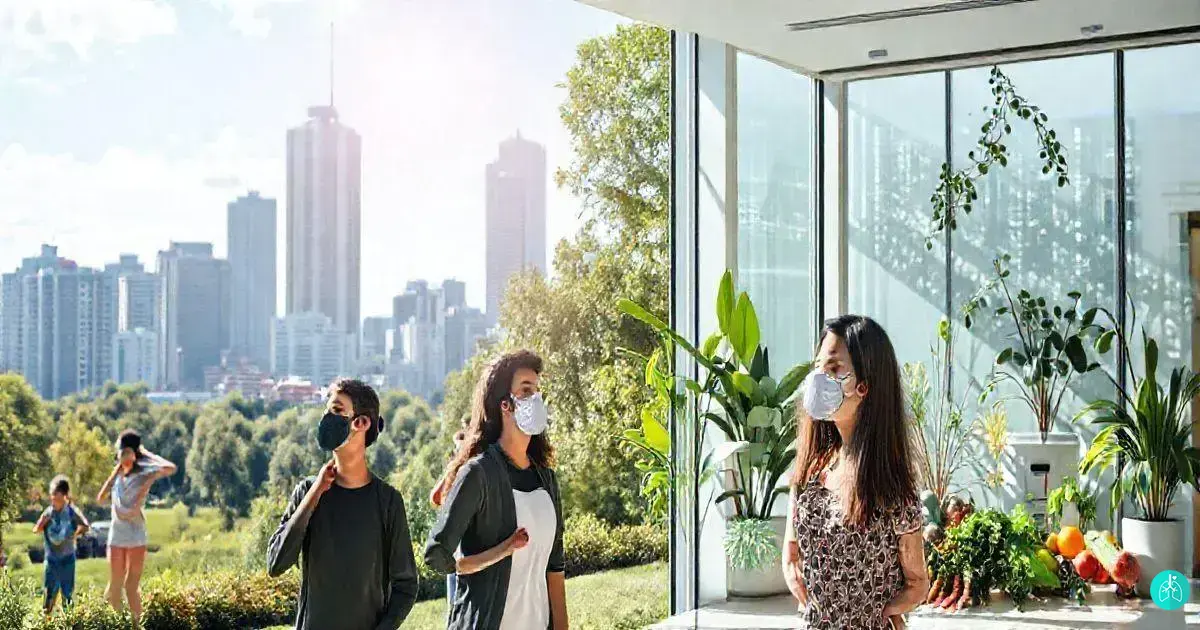
To improve breathing in polluted environments, it’s essential to recognize the effects of air pollution and implement strategies like breathing exercises, utilizing air purifiers, and wearing appropriate masks. Enhancing indoor air quality and focusing on a diet rich in antioxidants can significantly boost lung health. By adopting these measures, you can strengthen your lungs against pollution’s adverse effects and enhance overall respiratory health.
Struggling with how to breathe better in polluted environments? You’re not alone. As urban areas grow and pollution levels rise, our lungs are facing increasing challenges.
Breathing in polluted air can lead to serious health issues, but there are practical strategies you can adopt to protect yourself.
In this article, we’ll delve into effective methods you can use to enhance your respiratory health and find relief.
Understanding Air Pollution and Its Effects
Understanding air pollution is crucial for anyone looking to improve their breathing in polluted environments. Air pollution consists of harmful substances such as chemicals, particulate matter, and biological materials that can significantly impact health. These pollutants can enter our lungs and bloodstream, causing various respiratory and cardiovascular issues.
The effects of air pollution are not just immediate. Long-term exposure can lead to chronic diseases, such as asthma, bronchitis, and even lung cancer. Imagine the feels of struggling to catch your breath during a morning jog or feeling a persistent cough after walking through a busy street – that’s the pollution talking.
Moreover, certain groups, like children, the elderly, and those with pre-existing health conditions, are more vulnerable to these effects. For instance, young kids may develop respiratory problems that could affect their lung development. It’s alarming to think about how air quality can shape the future of our loved ones.
Understanding where pollution comes from is also essential. Sources can vary from vehicle emissions and industrial discharges to natural occurrences, like wildfires or dust storms. This awareness can help us take action, like avoiding outdoor activities during high pollution days or opting for eco-friendly transportation.
In summary, knowing the ins and outs of air pollution and its effects on your body is the first step towards finding better ways to breathe and protect your health.
Benefits of Breathing Exercises

Breathing exercises offer a multitude of benefits, especially for those living in polluted environments. First and foremost, these exercises help expand lung capacity, allowing for more efficient airflow. Just think about it – deeper breaths mean more oxygen for your body, and who wouldn’t want that?
Additionally, regular practice of breathing exercises can promote relaxation and reduce stress. Ever noticed how taking a few deep breaths can calm you down during a tense moment? This is because deep breathing activates your body’s relaxation response, helping to lower heart rate and blood pressure.
Moreover, breathing exercises can improve respiratory strength. Techniques like diaphragmatic breathing engage your diaphragm more effectively, leading to better oxygen exchange in your lungs. This can be particularly useful if you’re grappling with pollution-related respiratory issues.
Another advantage is the enhancement of overall health and well-being. Controlled breathing can stimulate the respiratory system, increase blood circulation, and even boost your immune response. Who wouldn’t want to feel healthier and more energized?
So, if you’re wondering how to incorporate breathing exercises into your routine, it’s simpler than you might think! Start with just a few minutes each day. You can try techniques like box breathing, where you inhale for four counts, hold for four, exhale for four, and hold again for four. It might feel a bit odd at first, but trust me – your body will thank you!
In sum, breathing exercises are a natural, accessible way to combat the detrimental effects of pollution on your health. Just a few minutes a day can lead to noticeable improvements in how you breathe and feel.
Creating a Clean Indoor Environment
Creating a clean indoor environment is essential for anyone looking to breathe better, especially in polluted areas. Did you know that indoor air can often be more polluted than outdoor air? That’s right! We bring in pollutants through our clothes, pets, and even household products. So, tackling indoor air quality is a must.
One of the first steps you can take is to maximize ventilation. Opening windows when weather permits and using exhaust fans in kitchens and bathrooms helps reduce indoor pollutants. Fresh air is a great way to dilute harmful substances lurking inside – it’s like giving your home a breath of fresh air!
Another effective method is to regularly clean and dust your living spaces. Use a damp cloth when dusting to prevent particles from floating in the air. And don’t forget those often-overlooked areas like behind furniture or under the bed. A good clean can make all the difference!
Air purifiers are also invaluable in creating a cleaner indoor environment. Opt for a purifier with a HEPA filter, as it can capture at least 99.97% of particles, including allergens and pollutants. It’s like having a tiny guardian fighting off bad air while you go about your day.
Also, consider your choice of cleaning products. Many conventional cleaners contain harsh chemicals that can degrade indoor air quality. Go for eco-friendly or homemade cleaning solutions whenever possible. Simple ingredients like vinegar and baking soda can work wonders without the toxic cocktail.
Finally, keeping indoor plants can enhance air quality! Certain plants are known to absorb pollutants and release oxygen, helping to purify the air. Just make sure to choose non-toxic varieties if you have pets or children around.
In essence, making a few simple changes can significantly improve your indoor air quality. With a bit of effort, you can create a clean, breathable haven in your home that counteracts the effects of outdoor pollution.
Using Air Purifiers Effectively
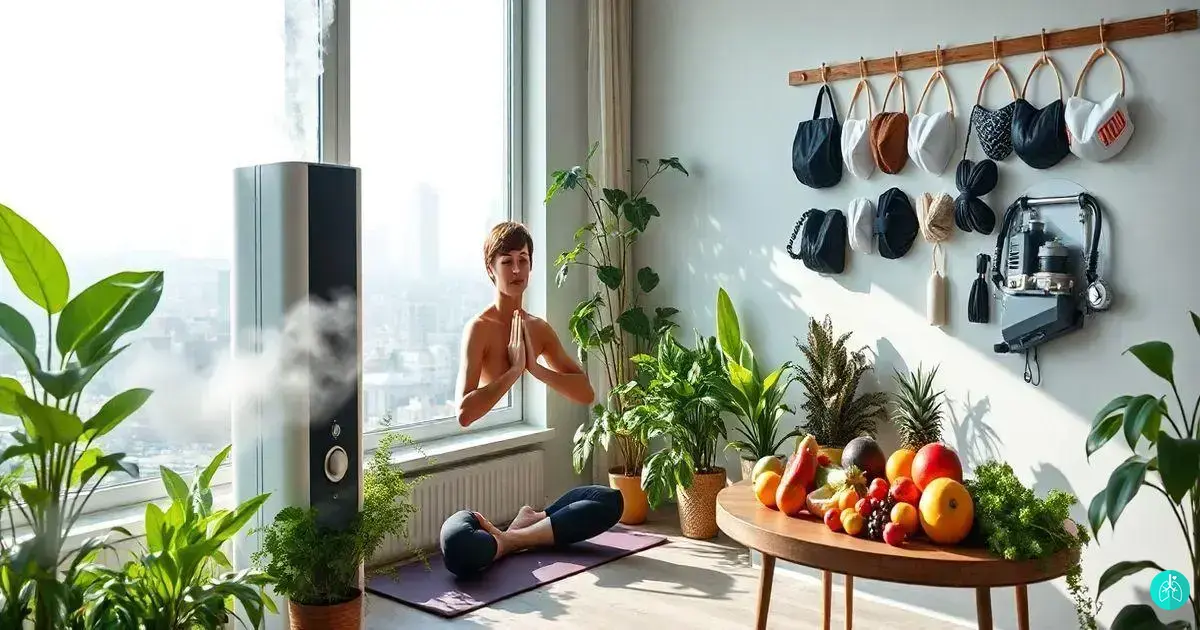
Using air purifiers effectively can significantly improve your indoor air quality, making it easier to breathe in polluted environments. But don’t just grab any air purifier off the shelf – understanding how to use it to its fullest potential is key to reaping its benefits.
First things first, you want to choose the right kind of air purifier. Look for models with a HEPA filter, as these are specifically designed to capture tiny particles, such as dust, pollen, and even some airborne viruses. If you have specific concerns about odors or chemical vapors, consider a purifier with an activated carbon filter to tackle those pesky smells.
Once you have your air purifier, placement is everything. Ideally, position it in the room where you spend the most time, like your living room or bedroom. Make sure it’s not tucked away in a corner or behind furniture; air purifiers need room to breathe too! Keeping it at least a few feet away from walls and obstructions will enhance airflow.
Another tip is to run your air purifier continuously, especially during high pollution days. Some folks might think they only need to use it when they notice bad air quality, but keeping it on will help to continuously filter out pollutants. Trust me, your lungs will thank you for it!
Also, don’t forget about maintenance. Regularly check and replace the filters as recommended by the manufacturer. Clogged filters are less effective and defeat the purpose of having an air purifier in the first place. Think of it this way: a clean filter is like a well-oiled machine that keeps the air fresh.
Finally, complementing your air purifier with other practices, like keeping windows closed during high pollution times, can maximize its effectiveness. You’re not just relying on one strategy to improve air quality; it’s all about building a solid defense.
In summary, using air purifiers effectively is about choosing the right model, placing it smartly, operating it continuously, maintaining it well, and integrating it into a broader strategy for cleaner air. With these tips, you’ll create a sanctuary in your home that makes breathing a lot easier.
Choosing the Right Masks for Protection
Choosing the right masks for protection in polluted environments is an important step in safeguarding your lungs. With so many options out there, it’s easy to feel overwhelmed, but knowing what to look for can help you make the right choice.
First and foremost, consider the mask’s filtration efficiency. Masks with N95 or N99 ratings can filter out 95% and 99% of airborne particles, respectively. This makes them a great option for effectively blocking harmful pollutants, dust, and even viruses. However, the fit is equally crucial—you want a mask that forms a tight seal around your face. Gaps can allow polluted air to sneak in, negating the benefits of wearing one!
Another factor to think about is comfort. If you plan on wearing a mask for extended periods—like during a hike or while commuting—look for options made from breathable materials that provide a secure yet comfortable fit. Masks with adjustable ear loops or nose wires can help customize the fit to your face, which is super important for prolonged use.
Additionally, consider reusable masks with replaceable filters. These are often more comfortable and environmentally friendly, plus they come in various styles and colors so you can express yourself while staying safe! Just be mindful of how often you need to replace the filters to maintain effectiveness.
For those in high-pollution areas, you might want to invest in masks specifically designed for air pollution protection. These masks often contain advanced filtration technology that can capture very small particles and gases. Reading reviews and checking the specifications can lead you to the best options on the market.
Lastly, don’t forget about the importance of adhering to any guidelines set by local health authorities regarding mask usage, especially during severe pollution events. Staying informed can save you from unnecessary exposure.
In summary, choosing the right mask for protection involves evaluating filtration efficiency, ensuring a comfortable fit, considering reusable options, and staying updated with local recommendations. With the right mask, you can confidently navigate polluted environments and protect your lungs.
Nutrition Tips for Lung Health

Nutrition tips for lung health can have a significant impact on how well your body copes with polluted environments. The right foods can support your respiratory system, boost your immune response, and keep your lungs functioning optimally. So, let’s dive into some delicious ways to nourish those lungs!
First up, consider incorporating plenty of fruits and vegetables into your diet. These foods are packed with antioxidants, vitamins, and minerals that are crucial for respiratory health. For example, foods rich in vitamin C, like oranges, strawberries, and leafy greens, can help reduce inflammation and oxidative stress in the lungs. It’s like giving your body a superhero shield against pollution!
Another important nutrient is omega-3 fatty acids, found in fatty fish like salmon, walnuts, and flaxseeds. Omega-3s have anti-inflammatory properties that can benefit lung function. Plus, they can help clear mucus from the airways—essentially making it easier for you to breathe.
Don’t overlook the importance of staying hydrated, either. Drinking plenty of water keeps the mucus membranes in your lungs moist, making it less likely for irritants to get trapped. Herbal teas and broths are also great options; not only do they keep you hydrated, but they can provide additional compounds that benefit your respiratory health.
Spices like turmeric and ginger offer anti-inflammatory benefits and can help soothe lung irritation. You can easily incorporate these into your meals or enjoy them in a warm beverage. Experiment with different recipes to make your meals both tasty and lung-friendly!
Avoiding processed foods high in sugar and unhealthy fats is equally important. These can lead to inflammation in the body, which isn’t doing your lungs any favors. Instead, opt for whole, nutrient-dense foods that contribute to overall health.
Finally, if you smoke or are exposed to secondhand smoke, consider implementing foods that support detoxification, like garlic and cruciferous vegetables (think broccoli and Brussels sprouts). These can help your body remove harmful toxins more effectively.
In summary, focusing on a diet rich in fruits and vegetables, healthy fats, hydration, and anti-inflammatory foods can significantly enhance your lung health. By making these changes, you’re not just fueling your body; you’re also empowering your lungs to fight against the adverse effects of pollution.
Conclusion
Enhancing your ability to breathe better in polluted environments requires a multi-faceted approach. By understanding air pollution and its effects, you can take proactive steps to safeguard your respiratory health.
Incorporating breathing exercises, creating a clean indoor environment, and effectively using air purifiers can all contribute to cleaner air in your home.
Choosing the right masks for outdoor protection is key, and don’t forget the power of nutrition! Eating a diet rich in antioxidants, healthy fats, and hydration can bolster lung function and combat the effects of pollution.
So, whether it’s swapping out a staple in your diet or investing in a good air purifier, every little change makes a difference.
By adopting these strategies, you’re not just protecting your lungs; you’re empowering yourself to thrive despite the challenges of living in a polluted world. Remember, your health is worth the effort!
Frequently Asked Questions about Breathing Better in Polluted Environments
What are the primary effects of air pollution on breathing?
Air pollution can lead to respiratory problems, chronic diseases, and decreased lung function, making it harder to breathe.
How can breathing exercises help improve lung health?
Breathing exercises enhance lung capacity, promote relaxation, and improve respiratory strength, making breathing more efficient.
Why is it important to create a clean indoor environment?
A clean indoor environment reduces exposure to indoor air pollutants, which can often be more harmful than outdoor air.
What should I look for in an air purifier?
Choose an air purifier with a HEPA filter for effective particle removal and place it in areas where you spend the most time.
How do I choose the right mask for outdoor protection?
Look for masks with N95 or N99 ratings for maximum filtration efficiency and ensure they fit snugly to prevent air leakage.
What foods are beneficial for lung health?
Fruits and vegetables rich in antioxidants, omega-3 fatty acids, and staying hydrated are essential for supporting lung health.


