
Contents
- 1 Understanding the Connection Between Breath and Emotions
- 2 Setting Your Intentions for Breathing Practice
- 3 Creating a Comfortable Space for Practice
- 4 Basic Breathing Techniques to Start With
- 5 Incorporating Mindfulness into Your Breathing
- 6 Tracking Your Progress and Reflecting on Growth
- 7 Conclusion
- 8 FAQ – Breathing Practice for Emotional Growth
- 8.1 What is the connection between breath and emotions?
- 8.2 How can I set intentions for my breathing practice?
- 8.3 What should I consider when creating a comfortable space for practice?
- 8.4 What are some basic breathing techniques I can start with?
- 8.5 How can mindfulness enhance my breathing practice?
- 8.6 Why is tracking progress important in a breathing practice?
Developing a breathing practice for emotional growth involves understanding the link between breath and emotions, setting intentions, and creating a comfortable environment. By using basic breathing techniques and incorporating mindfulness, you can track your progress and enhance relaxation, reduce stress, and build emotional resilience, ultimately leading to personal development and a deeper connection with your emotions.
Have you ever noticed how your breath changes with your emotions? A simple inhale can bring calm, while a deep exhale can release tension.
Developing a breathing practice for emotional growth can be a game changer for your mental health and well-being.
In this guide, we’ll explore how focusing on your breath can lead to greater emotional awareness and resilience.
Get ready to embark on a transformative journey that connects mind and body through the powerful practice of breath.
It’s all about creating a safe space to explore your feelings, setting intentions that resonate with you, and learning techniques that make a difference.
Let’s dive in!
Understanding the Connection Between Breath and Emotions
Understanding the connection between breath and emotions is fundamental to developing a breathing practice for emotional growth. Think about it: when you’re anxious, your breath quickens. When you’re calm, it flows smoothly and deeply. This relationship between breath and emotions isn’t just a coincidence; it’s rooted in how our bodies respond to stress and feelings.
When you take a deep breath, it signals your body to relax. This is because deep breathing activates the parasympathetic nervous system, which promotes a state of calm and reduces stress hormones. By consciously controlling your breath, you can influence your emotional state and foster a greater sense of balance.
Additionally, breath can serve as a powerful tool for emotional regulation. For instance, practicing mindful breathing can help you recognize when you’re feeling overwhelmed, allowing you to take proactive steps to cool down those intense emotions. It’s like having a built-in mechanism to manage your feelings more effectively.
Moreover, many cultures and practices, like yoga and meditation, highlight this connection. They teach that by tuning into our breath, we can cultivate emotional awareness. The next time you feel your emotions swirling, try focusing on your breath. You might find that just a few deep breaths can shift your entire perspective.
In essence, understanding how your breath interacts with your emotions can empower you in your journey toward emotional growth. It reminds us that even when feelings get heavy, we always have the ability to find our center, one breath at a time.
Setting Your Intentions for Breathing Practice
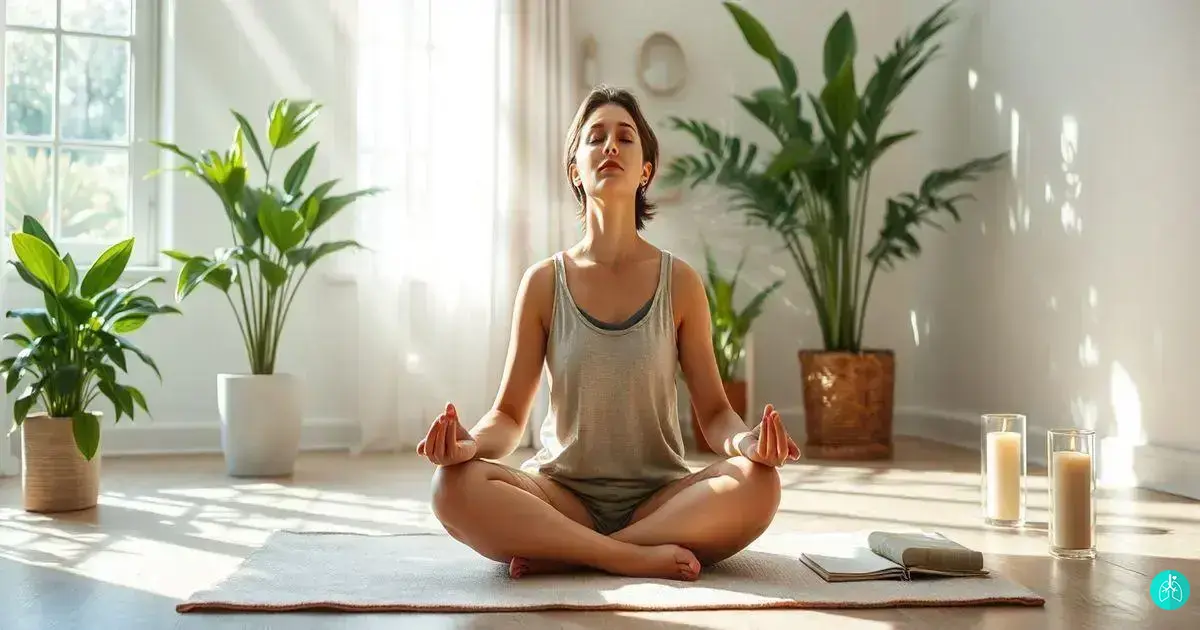
Setting clear intentions for your breathing practice is a crucial step in maximizing its benefits for emotional growth. Intentions provide direction and purpose, turning a simple exercise into a transformative experience. Before you even begin, take a moment to reflect on what you want to achieve through this practice.
Start by asking yourself: What do I hope to gain from my breathing exercises? This could range from reducing anxiety and stress, enhancing focus, or even finding emotional clarity. Whatever your goal, putting it into words can help solidify your purpose. For example, you might say, “I intend to create a space for calm and awareness in my daily life.”
Once you have your intention, write it down and keep it somewhere visible. This could be on a sticky note by your meditation space or in a journal dedicated to your emotional growth journey. Having a physical reminder can keep you focused and motivated.
It’s also important to revisit your intentions regularly. As you progress with your practice, your needs may change, and that’s perfectly okay! Feel free to adjust your intentions. Maybe you’re finding that your focus shifts towards gratitude or healing old wounds. Allowing your practice to evolve will yield a richer experience.
When you start your breathing sessions, take a moment to affirm your intention silently or aloud. This act not only grounds you but also helps cultivate a deeper connection to yourself. For instance, before you start, you might say, “I am here to breathe freely and explore my emotions.” This sets the tone for the practice, guiding your thoughts and energies towards your goal.
Ultimately, setting intentions for your breathing practice is about aligning your actions with your emotions and aspirations. With a clear intention, you’ll find your breathing practice not only becomes a tool for relaxation but also a vital part of your journey toward emotional growth.
Creating a Comfortable Space for Practice
Creating a comfortable space for your breathing practice is essential to facilitate relaxation and focus. Your environment plays a significant role in how you connect with your breath and emotions, so it’s worth investing some time in crafting a sanctuary just for this purpose.
Start by choosing a quiet area where you won’t be disturbed. This could be a corner of your living room, a bedroom, or even a cozy spot outdoors. The key here is to find a location that feels inviting and conducive to relaxation. If you can, keep this space consistent so it becomes your go-to for breathing exercises.
Make the space visually pleasing. Consider adding items that inspire serenity, such as plants, soft fabrics, or artwork that resonates with you. Natural light can enhance the ambiance, so aim for a place where sunlight can stream in or add some gentle lamps to create a warm atmosphere.
Sound also matters—if silence isn’t your thing, see if you can integrate calming background sounds. This could be soft music, nature sounds, or even a guided meditation playing faintly in the background. Some people find that certain frequencies or ambient sounds help them connect more deeply with their breath.
Comfort is key, so invest in a comfortable mat or cushion to sit on. You could also use a chair if sitting on the floor isn’t your vibe. Just make sure you can easily maintain a good posture—keeping your back straight but relaxed will help you breathe more freely.
Temperature can impact your practice, too. Make sure your space isn’t too hot or cold—adjust the thermostat, or add blankets or fans as needed. Feeling physically comfortable allows your mind to relax, making it easier to engage in your practice.
Lastly, consider incorporating elements such as essential oils, candles, or incense to appeal to your sense of smell. Scents like lavender or eucalyptus can enhance relaxation and create a calming atmosphere that supports your emotional journey.
In summary, by creating a comfortable space for your breathing practice, you set the stage for deeper emotional work. The more welcoming and harmonized your environment is, the easier it will be to engage fully in the practice, allowing your emotions to flow and unfold in a safe space.
Basic Breathing Techniques to Start With

Getting started with basic breathing techniques can set a solid foundation for your emotional growth journey. These techniques are simple yet effective ways to enhance relaxation, focus, and emotional awareness. Let’s explore some of the easiest methods you can incorporate into your practice.
1. Diaphragmatic Breathing: Also known as abdominal or belly breathing, this technique encourages you to utilize your diaphragm fully. To practice, sit or lie down comfortably. Place one hand on your chest and the other on your abdomen. Inhale deeply through your nose, ensuring your belly rises while your chest remains relatively still. Exhale slowly through your mouth, feeling your belly fall. This technique helps calm the nervous system and promotes relaxation.
2. 4-7-8 Breathing: The 4-7-8 technique is excellent for alleviating stress and anxiety. Here’s how it works: inhale quietly through your nose for a count of 4. Hold your breath for a count of 7. Then, exhale completely through your mouth, making a whooshing sound for a count of 8. Repeat this cycle four times. This method helps regulate your breath and can create a sense of tranquility.
3. Box Breathing: This technique involves a simple structure of inhaling, holding, and exhaling, making it easy to remember. Inhale through your nose for a count of 4, hold your breath for 4, exhale through your mouth for 4, and then hold again for another count of 4. Repeat this process as needed. Box breathing can enhance focus and clarity while reducing stress.
4. Alternate Nostril Breathing: This practice is rooted in yoga and brings balance to the body and mind. To begin, sit comfortably and use your right thumb to close your right nostril. Inhale deeply through your left nostril. Close your left nostril with your right ring finger, then release your right nostril and exhale through it. Inhale through the right nostril, then close it and exhale through the left. This is one complete cycle. Continue for several cycles to promote mental clarity and calm.
5. Guided Breathing: If you’re unsure about practicing alone, consider using guided breathing apps or videos. These can lead you through various techniques while providing calming sounds or music, making your practice more enjoyable. They often include soothing visuals that help you stay focused and engaged.
As you practice these techniques, remember that consistency is key. Start with just a few minutes each day, and gradually increase as you grow more comfortable. Track your experience in a journal to see how each technique influences your emotional state. Ultimately, these basic breathing techniques will help you cultivate a deeper connection with your breath and support your emotional growth journey.
Incorporating Mindfulness into Your Breathing
Incorporating mindfulness into your breathing practice can elevate your emotional growth journey, helping you cultivate a deeper awareness of your thoughts and feelings. Mindfulness is all about being fully present in the moment, and when you tie it to your breathing, you create a powerful tool for self-discovery and emotional clarity. Here are some practical ways to merge mindfulness with your breathing.
1. Focus on Your Breath: Begin by taking a comfortable seat and closing your eyes. Start with a few deep breaths to settle into the moment. Shift your attention to the natural rhythm of your breath—notice how it feels as you inhale and exhale. Try not to control your breath; just observe. This focus on breathing helps clear the mind and anchors you in the present.
2. Body Scan with Breath: While you breathe mindfully, combine it with a body scan. As you inhale deeply, visualize your breath filling your body, expanding through each part, and bringing awareness to any tension or discomfort. With each exhale, imagine releasing that tension or discomfort. This practice encourages a strong mind-body connection, enhancing your emotional awareness.
3. Labeling Your Feelings: As you engage in mindful breathing, pay attention to any emotions that arise. If you feel anxiety, fear, or joy, don’t judge these emotions—simply label them in your mind. For example, you might say, “I’m feeling anxious right now” or “This feels like joy.” Acknowledging your emotions can create space for understanding, making it easier to let them pass.
4. Guided Mindfulness Sessions: Consider incorporating guided mindfulness meditations that focus on breathing. Many apps and online platforms offer sessions specifically designed to help you integrate mindfulness into your practice. These sessions often provide prompts and techniques to deepen your experience, guiding you through various breathing exercises paired with mindfulness.
5. Create a Mindful Routine: Establish a specific time for your mindful breathing practice, whether it’s in the morning, during lunch, or before bed. Making it a part of your daily routine can help you maintain consistency. During your practice, remind yourself of your intention to be present and open to whatever arises. This creates a safe space for exploration and growth.
Incorporating mindfulness into your breathing practice isn’t just a technique; it’s an enriching experience that fosters growth and understanding. As you develop this habit, you’ll find that your ability to navigate emotions and stress improves, allowing for a healthier emotional landscape. Over time, this practice can transform not just how you breathe but how you engage with life.
Tracking Your Progress and Reflecting on Growth
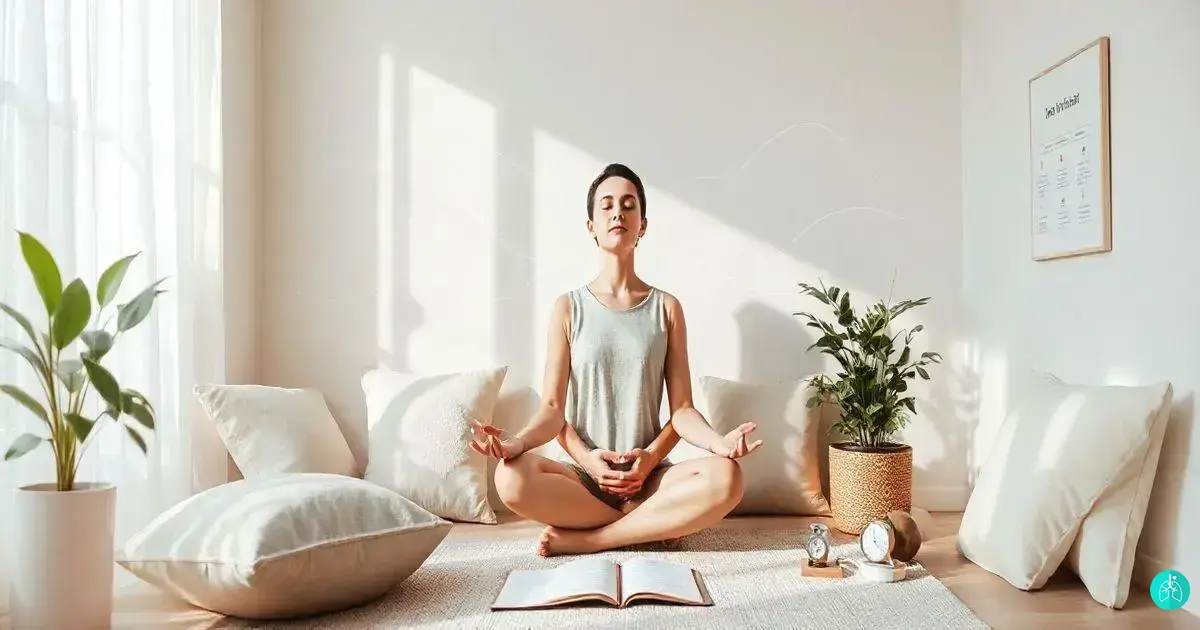
Tracking your progress and reflecting on growth in your breathing practice is vital for recognizing the benefits and changes in your emotional landscape over time. By documenting your experiences, you can gain insights into your journey, celebrate milestones, and adjust your practice as needed. Here are some effective strategies for tracking your progress:
1. Keep a Breathing Journal: Start a journal dedicated to your breathing practice. Each time you practice, note the date, duration, and any specific techniques used. Additionally, write down how you felt before and after the practice. This allows you to see patterns, assess how your emotions respond to different techniques, and identify moments of growth.
2. Set Specific Goals: Establish clear, measurable goals to work towards in your breathing practice. For instance, you might aim to practice for 10 minutes daily or deepen your understanding of a particular technique within a set time frame. Goals give you something tangible to strive for and help you measure progress effectively.
3. Use Technology: If journaling isn’t your style, consider using apps designed to track mindfulness and breathing exercises. Many of these apps provide features like timers, graphs, and reminders. They can help you quantify your practice and visualize your progress over weeks and months.
4. Reflect Regularly: Make it a habit to reflect on your practice weekly or monthly. Set aside time to review your journal entries, goals, and any changes you’ve noticed in your emotional state or general well-being. Ask yourself questions like: “How have my emotions shifted since I started this practice?” and “What techniques have felt the most valuable?”
5. Celebrate Milestones: As you notice improvements—whether it’s reduced anxiety, improved focus, or a more profound connection with your emotions—celebrate those milestones! This could be as simple as treating yourself to a favorite activity or sharing your progress with a friend. Acknowledging your achievements reinforces the positive outcomes of your practice.
Tracking your progress and reflecting on growth are crucial aspects of developing a successful breathing practice. By regularly documenting your journey, you create an opportunity for deeper self-awareness and validation. Remember, growth doesn’t always happen in leaps and bounds; sometimes it’s in the small, everyday victories that lead to meaningful change over time.
Conclusion
Incorporating a breathing practice into your routine can significantly enhance your emotional growth and well-being. By understanding the connection between breath and emotions, setting intentions, creating a comfortable space, practicing basic techniques, incorporating mindfulness, and tracking your progress, you equip yourself with powerful tools for self-discovery and personal development.
It’s important to remember that emotional growth is a journey, not a destination. Each breath you take brings you closer to understanding yourself and navigating your feelings more effectively. Be patient with yourself, celebrate your achievements, and stay open to the ever-evolving experience of your breathing practice. With time and commitment, you’ll find that the simple act of breathing can lead to profound changes in how you engage with your emotions and the world around you.
FAQ – Breathing Practice for Emotional Growth
What is the connection between breath and emotions?
Breath and emotions are closely linked; deep breathing can calm the nervous system, reducing stress and promoting relaxation.
How can I set intentions for my breathing practice?
To set intentions, reflect on what you hope to achieve with your practice, and write it down as a reminder to keep you focused.
What should I consider when creating a comfortable space for practice?
Choose a quiet area, keep it visually pleasing with calming decor, and ensure you have comfortable seating to facilitate relaxation.
What are some basic breathing techniques I can start with?
Begin with diaphragmatic breathing, 4-7-8 breathing, box breathing, alternate nostril breathing, or guided breathing sessions.
How can mindfulness enhance my breathing practice?
Mindfulness helps you stay present during your practice, allowing you to observe your thoughts and emotions without judgment, leading to greater awareness.
Why is tracking progress important in a breathing practice?
Tracking progress helps you recognize emotional changes, celebrate milestones, and adjust your practice, enhancing your journey toward growth.


