
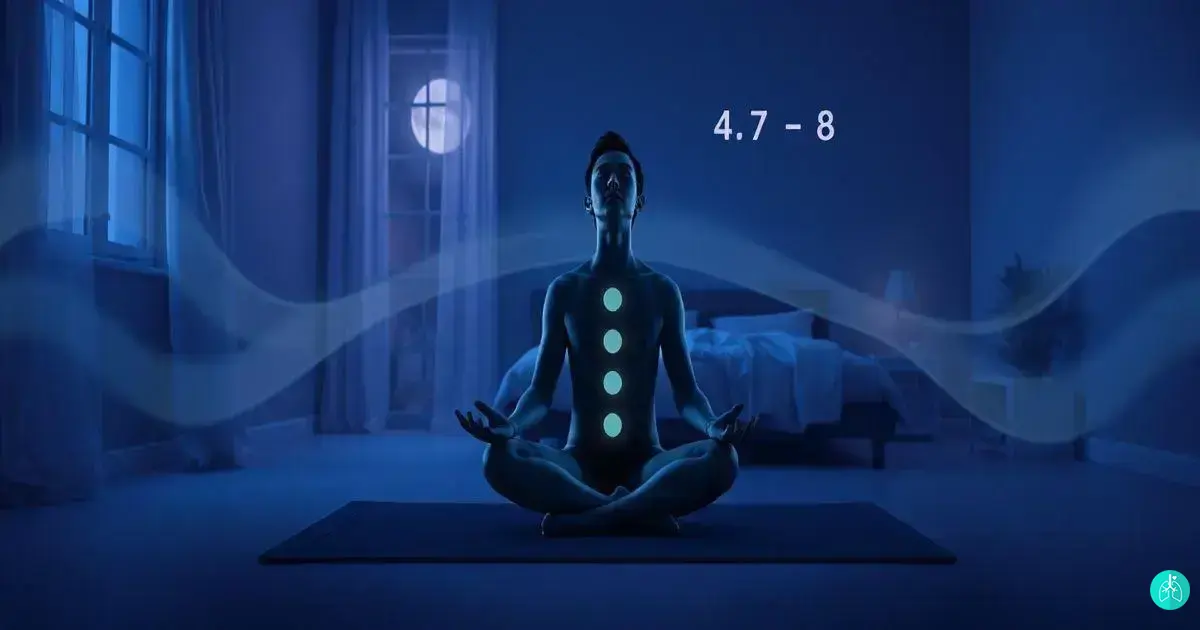
The 4-7-8 breathing technique is a simple method designed to promote relaxation and improve sleep quality. It involves inhaling for 4 seconds, holding the breath for 7 seconds, and exhaling for 8 seconds. This practice can help reduce anxiety, enhance mindfulness, and lead to deeper sleep. To effectively practice, find a comfortable position, focus on your breath, and aim for several cycles while avoiding distractions. Regular use of this technique can contribute to calmer days and better nights, but it’s important to seek professional help if sleep issues or anxiety persist.
The 4-7-8 breathing technique has gained popularity as a simple yet powerful method for promoting relaxation and improving sleep quality.
Developed by Dr. Andrew Weil, this easy practice can help calm your mind and prepare your body for a restful night.
In this article, we’ll explore the benefits of 4-7-8 breathing, provide a step-by-step guide to mastering the technique, and share tips on how to make it a regular part of your nighttime routine.
What is 4-7-8 Breathing?
4-7-8 breathing is a relaxation technique that involves a specific pattern of inhaling, holding, and exhaling. The name derives from the sequence of counts used during the practice: inhaling for 4 seconds, holding the breath for 7 seconds, and exhaling for 8 seconds. This method can be traced back to ancient yogic practices and has been adapted for modern use as a way to help alleviate stress and promote better sleep.
The beauty of 4-7-8 breathing lies in its simplicity. You don’t need any special tools or setups to perform it, making it an accessible option for anyone looking to improve relaxation, especially before bedtime. When followed correctly, this technique can help reduce anxiety, lower heart rate, and ease tension throughout the body—key factors that contribute to achieving a more restful night’s sleep.
In essence, 4-7-8 breathing encourages mindful breathing, helping you to focus on your breath rather than the day’s stresses. It’s often referred to as a ‘natural tranquilizer’ for the nervous system, which helps clear the mind and set the stage for deeper, more restorative sleep.
Benefits of 4-7-8 Breathing for Sleep

The benefits of 4-7-8 breathing for sleep are numerous, making it a popular choice for those struggling to unwind at night. Here are some key advantages:
- Reduces Anxiety: By focusing on your breath and counting, 4-7-8 breathing helps to divert your mind from racing thoughts, effectively reducing anxiety levels and creating a calming effect.
- Promotes Relaxation: Engaging in this breathing technique activates the parasympathetic nervous system, which is responsible for the body’s rest and relaxation response. This shift can lower your heart rate and blood pressure, preparing your body for sleep.
- Improves Sleep Quality: Regular practice of 4-7-8 breathing can lead to deeper sleep and fewer wake-ups during the night. Over time, your body may become more attuned to relaxing, making it easier to fall asleep.
- Enhances Mindfulness: The practice encourages you to stay present and aware of your breathing. This mindfulness can help create a stronger connection between your mind and body, improving overall well-being.
- Helps with Sleep Disorders: Many people dealing with sleep disorders, such as insomnia, have reported that incorporating 4-7-8 breathing into their nighttime routine has helped them fall asleep faster and stay asleep longer.
- Accessible Anytime: One of the best aspects of this technique is that you can do it anywhere, whether you’re in bed, on a plane, or even at your desk during a stressful day. It’s a portable tool for relaxation.
By embracing 4-7-8 breathing as a nightly ritual, you can tap into these benefits and work towards achieving the peaceful sleep you deserve.
Step-by-Step Guide to Practicing 4-7-8 Breathing
Practicing 4-7-8 breathing is straightforward and can be done in just a few minutes. Here’s a step-by-step guide to help you get started:
- Find a Comfortable Position: Begin by sitting or lying down in a comfortable position. You want to be relaxed yet alert. Close your eyes if that helps you focus better.
- Place Your Tongue: Position your tongue against the ridge of tissue just behind your upper front teeth. Keep it there throughout the practice.
- Exhale Completely: Start by exhaling fully through your mouth, making a whoosh sound. This will prepare your lungs for the next inhale.
- Inhale Through Your Nose: Close your mouth and inhale quietly through your nose to a mental count of 4.
- Hold Your Breath: Now hold your breath for a count of 7. This pause allows your body to absorb oxygen and encourages a sense of calm.
- Exhale Completely Again: Exhale slowly through your mouth for a count of 8, making that whoosh sound again. This extended exhale is crucial, as it helps release more carbon dioxide and promotes relaxation.
- Repeat the Cycle: This completes one breath cycle. Aim for at least 4 cycles when you first start practicing, gradually increasing to 8 or more as you become more comfortable.
Remember, consistency is key! Try to practice this technique at bedtime or whenever you need to unwind. With time, you’ll likely find it becomes easier and more natural, leading to better relaxation and improved sleep quality.
Common Mistakes to Avoid
When practicing 4-7-8 breathing, it’s important to approach the technique correctly to maximize its benefits. Here are some common mistakes to avoid:
- Rushing the Counts: One major mistake is not adhering to the 4-7-8 counting framework. It’s crucial to maintain a steady rhythm. Rushing through the process can diminish its calming effects and make it less effective.
- Not Focusing on Breathing: Allowing your mind to wander during the practice can reduce the technique’s efficiency. Focus on your breath and the count, gently redirecting your thoughts back whenever they stray.
- Forgetting to Exhale Completely: Holding onto carbon dioxide can create discomfort. Make sure you fully exhale each time before starting the next inhalation, allowing a complete release of breath.
- Practicing at Inappropriate Times: It’s best to practice 4-7-8 breathing in a quiet, peaceful environment where you can concentrate. Avoid doing it in overly stimulating or loud settings that can distract you from the practice.
- Ignoring Physical Discomfort: If you feel dizzy, lightheaded, or uncomfortable during the exercise, stop and return to your natural breathing. Pushing through discomfort may create negative associations with the practice.
- Expecting Immediate Results: While some people may feel calmer right away, it’s important to acknowledge that this technique is a skill that may take time to master. Regular practice is key to experiencing its full benefits.
Avoiding these common pitfalls can enhance your experience with 4-7-8 breathing and help you achieve better relaxation and sleep. With persistence, you’ll find it easier to connect with the technique.
Tips for Incorporating 4-7-8 Breathing into Your Routine
Incorporating 4-7-8 breathing into your daily routine can enhance its effectiveness and promote better sleep. Here are some practical tips to help you make this technique a regular part of your life:
- Schedule a Specific Time: Choose a specific time each day to practice 4-7-8 breathing. Whether it’s in the morning to kickstart your day or at night before bed, consistency will reinforce the habit.
- Create a Sleep-Friendly Environment: Engage in this practice in a calm, relaxing space. Dim the lights, eliminate distractions, and consider playing soft instrumental music or white noise to enhance relaxation.
- Combine with Other Relaxation Techniques: Pair 4-7-8 breathing with other relaxation techniques like meditation, light stretching, or yoga. This combination can amplify the calming effects and help signal to your body that it’s time to rest.
- Use Reminders: Set reminders on your phone or place sticky notes in visible areas to encourage you to practice throughout the day. This can be especially helpful during stressful moments, prompting you to take a break and breathe.
- Keep It Short and Simple: If time is tight, even a few minutes of practice can be beneficial. Don’t feel pressured to complete multiple cycles; even one or two can provide a moment of calm.
- Reflect on the Experience: After practicing, take a moment to reflect on how you feel. Noticing improvements in your mood or sleep quality can further motivate you to keep up with the practice.
By thoughtfully integrating 4-7-8 breathing into your routine, you’ll cultivate a powerful tool for enhancing relaxation and promoting restful sleep. With patience and commitment, you may notice significant changes in your overall well-being.
When to Seek Professional Help
While 4-7-8 breathing can be a very effective technique for promoting relaxation and improving sleep, there are times when it’s important to seek professional help. Here are some signs that you may need additional support:
- Persistent Sleep Problems: If you find that you consistently struggle to fall asleep or stay asleep despite practicing 4-7-8 breathing and other relaxation techniques, it might be time to consult a sleep specialist or healthcare provider.
- Severe Anxiety or Stress: If anxiety or stress is overwhelming and impacting your daily life, discussing your symptoms with a mental health professional can be beneficial. They can provide tailored strategies and support.
- Physical Symptoms: Experiencing physical symptoms such as chest pain, shortness of breath, or dizziness while practicing breathing techniques should prompt a visit to a doctor. It’s important to rule out any underlying health issues.
- Inability to Relax: If you find it consistently difficult to relax or calm your mind, despite trying various techniques, a professional can help you develop personalized coping strategies.
- Experiencing Sleep Disorders: Conditions like insomnia, sleep apnea, or restless leg syndrome may require medical intervention and should be evaluated by a healthcare professional.
- Substance Abuse Issues: If your sleep difficulties are related to substance use or withdrawal, seeking help from a professional who specializes in addiction may be necessary for recovery and improved sleep.
It’s essential to take care of your mental and physical health. Recognizing when to seek help is a vital step towards achieving better sleep and overall well-being. Remember, you don’t have to navigate sleep challenges alone—professional support is available.
Conclusion
Incorporating 4-7-8 breathing into your routine can be a simple yet powerful way to enhance relaxation and improve your sleep quality.
By understanding what this technique involves, recognizing its benefits, and following the step-by-step practice, you can begin to reap the rewards that come with a more restful night.
Remember to avoid common mistakes, integrate tips for consistency, and be aware of when to seek professional help if needed.
With patience and practice, 4-7-8 breathing can become a valuable tool in your wellness toolkit, helping you navigate stress and sleep challenges more effectively.
As you nurture this practice in your life, you may find yourself not only sleeping better but feeling more at ease during the day, embracing a calmer, more balanced approach to life.
FAQ – Frequently Asked Questions about 4-7-8 Breathing
What is 4-7-8 breathing?
4-7-8 breathing is a relaxation technique that involves inhaling for 4 seconds, holding for 7 seconds, and exhaling for 8 seconds to promote calm and improve sleep.
How does 4-7-8 breathing help with sleep?
It helps reduce anxiety, promotes relaxation, and can improve sleep quality by activating the parasympathetic nervous system.
How often should I practice 4-7-8 breathing?
Aim to practice it daily, ideally before bed or during stressful moments, starting with a few cycles and gradually increasing as you become comfortable.
Are there any mistakes I should avoid while practicing?
Yes, avoid rushing the counts, not focusing on your breath, forgetting to exhale completely, and practicing in distracting environments.
When should I seek professional help?
If you experience persistent sleep issues, severe anxiety, physical symptoms during practice, or if you struggle to relax despite techniques, it’s wise to consult a professional.
Can 4-7-8 breathing be combined with other relaxation techniques?
Absolutely! It can be effectively paired with meditation, yoga, or light stretching to enhance relaxation and mindfulness.


