
Teaching children proper breathing techniques is crucial for their physical and emotional health. By making the learning process enjoyable through games and visual aids, parents can effectively engage their kids. Establishing a calming environment and incorporating breathing exercises into daily routines can enhance focus, promote relaxation, and help children develop healthier coping mechanisms, ultimately fostering resilience and mindfulness throughout their lives.
Learning how to teach proper breathing to your kids is more important than you might think.
With the right techniques, you can help your children develop healthier habits that promote relaxation and focus.
Whether it’s calming them down before bedtime or helping them manage anxiety, proper breathing can make a big difference in your child’s well-being.
In this article, we’ll explore some engaging ways to introduce breathing exercises and techniques to your little ones.
Understanding the Importance of Breathing
When we talk about health and wellness, we often focus on nutrition and physical activity. However, we sometimes overlook the crucial role of breathing. Proper breathing is foundational for our overall health, especially for kids who are still developing their bodies and minds. Understanding the significance of good breathing practices can set your child up for success in various aspects of life.
First and foremost, breathing correctly helps increase oxygen levels in the body. Children are naturally active, and they need plenty of oxygen to fuel their energetic bodies. When they breathe deeply and properly, they allow more oxygen to reach their muscles and organs, enhancing their stamina and reducing fatigue.
Additionally, good breathing techniques can aid in better focus and concentration. When kids are anxious or overstimulated, they tend to breathe shallowly, which can exasperate their feelings. Teaching them to breathe deeply can help calm their nervous systems and improve cognitive functions. Think of it as a reset button that helps them maintain their cool during stressful situations, whether it’s a challenging school project or a rough day with friends.
Importantly, understanding the importance of breathing also empowers kids with tools to cope with emotions. Teaching them how to breathe properly can help them recognize their feelings and manage them effectively. They learn that taking a moment to breathe when frustrated or upset can make a world of difference.
In a nutshell, proper breathing isn’t just about physical health—it’s about nurturing emotional well-being, enhancing focus, and instilling a sense of calm. By helping children understand why good breathing practices matter, you’re laying a solid groundwork for them to become more resilient and balanced individuals.
Fun Breathing Exercises for Kids
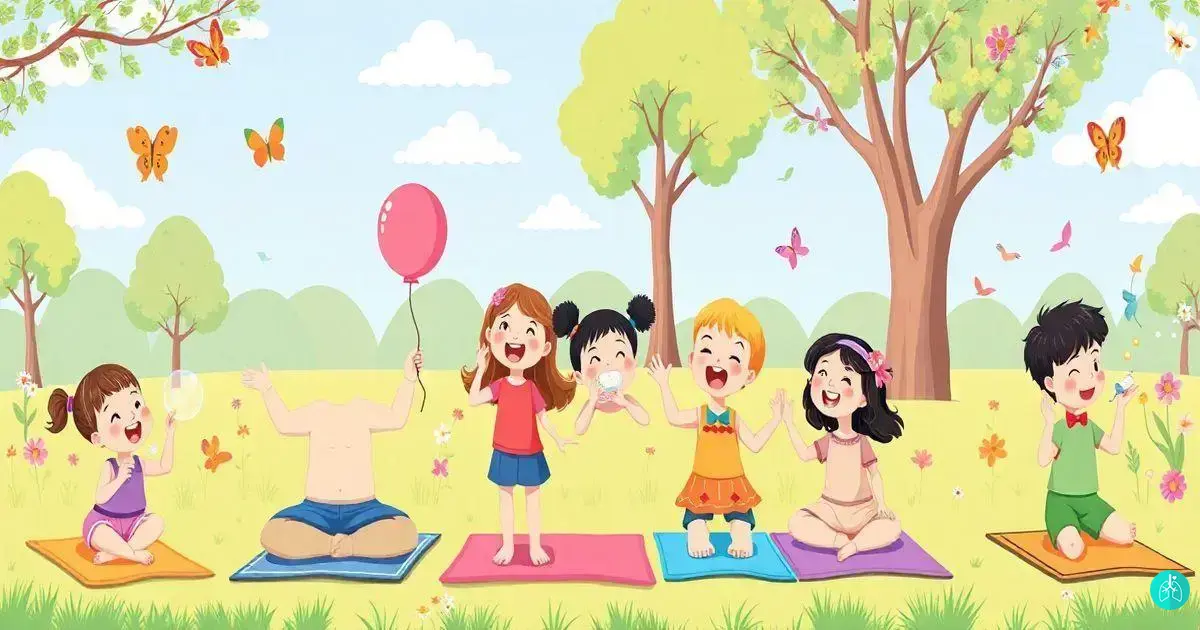
Introducing fun breathing exercises for kids can turn a potentially dull topic into an enjoyable activity that they look forward to. The key is to make these exercises engaging and playful, allowing them to connect with their bodies while having fun. Here are some great exercises to get you started:
1. Balloon Breathing: Have your child imagine they are blowing up a balloon. Instruct them to take a deep breath in through their nose, filling their belly like a balloon, and then slowly exhale through their mouth as if releasing air from the balloon. This visual can help them grasp the concept of deep breathing while making it playful.
2. Bubble Breathing: Give your child a bubble wand and some soap. Encourage them to take a deep breath in and then blow gently to create bubbles. This exercise helps them learn to control their breath and promotes calmness, all while enjoying a fun outdoor activity!
3. Animal Breathing: Turn breathing exercises into a game by mimicking animal sounds and breathing patterns. For example, have them take a deep breath and roar like a lion, or breathe in deeply and then hiss out like a snake. Kids love to pretend, and this helps them associate breathing with playfulness.
4. Flower and Candle: Ask your child to hold their hands up like a flower and breathe in through the nose (like smelling a flower) and then breathe out through the mouth (like blowing out a candle). This exercise combines imagery with mindfulness, encouraging them to take deep breaths in a relaxed, enjoyable way.
5. Counting Breaths: Have your child lie down and place a soft toy on their belly. Instruct them to breathe deeply, making the toy rise and fall. As they breathe, have them count each inhale and exhale up to 10. This helps them focus on their breath while adding a fun counting game!
Each of these exercises can be adapted to fit your child’s interests and preferences. The goal is to make breathing a mindful, enjoyable practice they can happily incorporate into their daily routines. With consistent practice, these fun exercises can help improve their breathing habits while cultivating a sense of calm and relaxation.
Using Visuals to Teach Breathing Techniques
Using visuals to teach breathing techniques can be a game changer, especially for kids who are naturally drawn to visual learning. By incorporating colorful images, diagrams, or even videos, you can effectively capture their attention and enhance their understanding of how proper breathing works. Here are some creative ideas to get you started:
1. Breathing Posters: Create or purchase posters that illustrate different breathing techniques. For instance, a poster displaying the ‘4-7-8 breathing’ method can have clear step-by-step graphics that illustrate the inhale (4 counts), hold (7 counts), and exhale (8 counts). Hang these posters in a place where your child can easily see them, like their bedroom or play area.
2. Breathing Buddies: Use stuffed animals or dolls as ‘breathing buddies’. Kids can watch the toy’s belly rise and fall as they practice deep breathing together. This visual representation helps them understand the physical aspect of breathing while adding an element of companionship to the practice.
3. Breathing Apps: Consider using kids-friendly breathing apps designed with fun animations and visuals. Many of these apps guide children through breathing exercises, showing animated characters that illustrate inhaling and exhaling, making it interactive and engaging for them.
4. Drawing and Coloring: Encourage your child to draw or color pictures that represent different breathing exercises. For example, they could draw a flower to represent ‘smelling’ the inhale and a candle for ‘blowing’ out the exhale. This connects creativity with breathing techniques and reinforces the lessons visually.
5. Be the Visual: Sometimes, demonstrating breathing techniques physically can make a significant impact. Have your child lay down on the floor and put a book on their belly. As they breathe deeply, they can watch the book rise and fall. This tangible visual of breathing can help them understand how the body should move during deep breaths.
By integrating these visual methods into your teaching strategy, you’re making breathing techniques more relatable and memorable for your kids. With visuals, they can grasp complex ideas more easily and turn their focus to mastering healthy breathing habits that will serve them well into adulthood.
How to Incorporate Breathing into Daily Routines
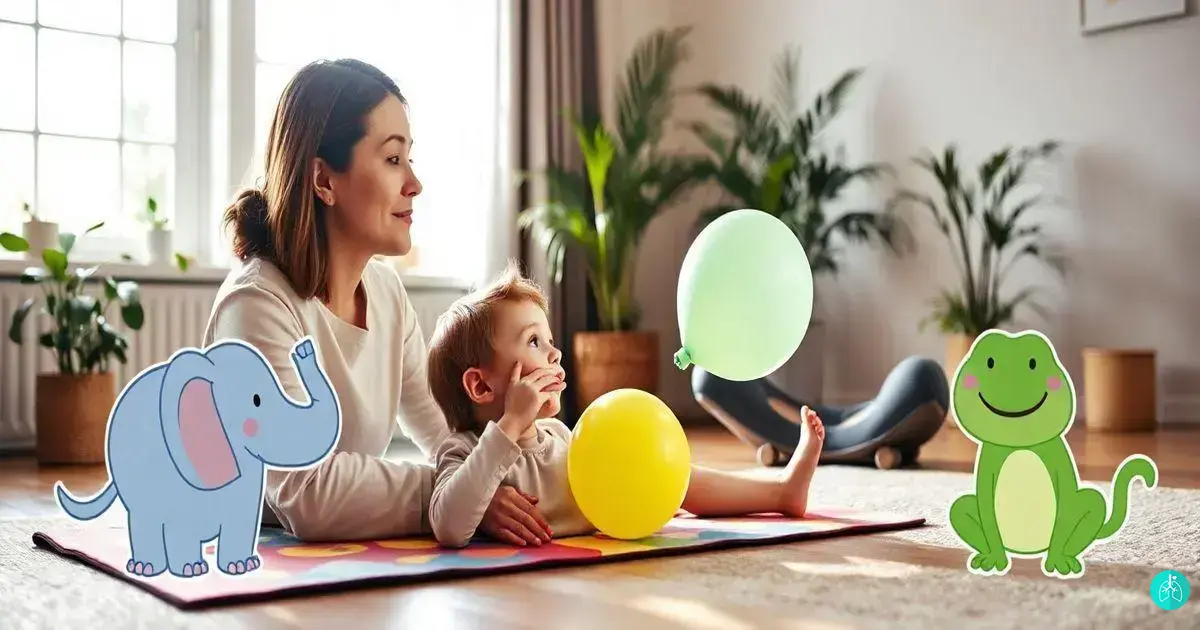
Incorporating breathing exercises into daily routines can help make proper breathing a natural part of your child’s life. The trick is to weave these exercises seamlessly into activities they already do, so they become second nature. Here are some practical tips to get started:
1. Morning Stretch Ritual: Encourage your child to start their day with a simple morning stretch that includes a few deep breaths. As they stretch their arms overhead, have them inhale deeply and then exhale while bringing their arms back down. This sets a positive tone for the day and helps them practice mindful breathing right from the get-go.
2. Breathing Breaks During Homework: If you notice your child getting frustrated or distracted while doing homework, suggest a brief breathing break. After every 15-20 minutes of focused work, take a minute to breathe together. This not only helps clear their mind but also reduces stress and boosts concentration.
3. Pre-Bedtime Routine: Incorporate calming breathing exercises into your child’s bedtime routine. Just before reading a story, take a few minutes to practice deep breathing. This helps signal to their body that it’s time to relax and wind down, making it easier for them to fall asleep.
4. Transition Times: Use transition times, such as moving from one activity to another, as moments for breathing practice. For example, before heading out to play or transition to another part of the day, pause for a minute of deep breathing. You can say, ‘Let’s take a deep breath together before we go outside,’ to signal this change.
5. Nature Time: If you enjoy outdoor activities, take advantage of nature as a teaching tool. While out for a walk, have your child stop and appreciate their surroundings. Encourage them to take deep breaths and identify the scents around them, like flowers or fresh air. This not only engages their sense of smell but also connects mindful breathing to enjoyable experiences.
By embedding breathing exercises into everyday routines, you help your child cultivate practices that can enhance their emotional and physical well-being throughout their lives. The key is consistency and making it enjoyable, ensuring that proper breathing becomes a lifelong habit.
Games That Promote Proper Breathing
Incorporating games that promote proper breathing is a fantastic way to engage kids while teaching them essential breathing techniques. These playful activities not only make learning fun but also help reinforce the importance of mindful breathing. Here are some exciting games to try:
1. Breathing Race: Have a friendly competition where kids race to see who can blow up a balloon the fastest using their breath. This game encourages them to take deep breaths in and control their exhale. Allowing them to decorate their balloons afterwards adds an extra creative touch!
2. The Scent Game: Collect several items that emit scents, such as flowers, fruits, or essential oils. Blindfold your child and have them smell each item while taking a deep breath in. Afterward, they can guess the scents, learning to associate deep inhalation with positive experiences.
3. Breathing Bingo: Create bingo cards with different breathing patterns or techniques (like “lion breath,” “bubble breath,” or “balloon breath”). As you call out each technique, players perform the breath before marking it on their cards. The first to complete a line wins! This game can be a fun way to review different techniques while keeping them engaged.
4. Simon Says with a Twist: Play a classic game of Simon Says but add breathing techniques to the mix. For example, say, “Simon says take a deep breath and extend your arms” or “Simon says breathe like a lion.” This approach not only reinforces listening skills but also integrates breathing practice into an enjoyable game.
5. Cloud Breathers: Sit in a circle and imagine you’re lying on the softest cloud. As you all take deep breaths in, visualize the fluffy cloud rising higher and higher. When exhaling, imagine the cloud sinking back down. This imagery not only teaches relaxation through breathing but also encourages creativity and visualization in a relaxing way.
These games can easily be tailored to suit any age group or preference, making breathing practice a lively and enjoyable part of your child’s daily life. The blend of play and learning ensures that they build healthy breathing habits without it feeling like a chore!
Creating a Calm Environment for Breathing Practice
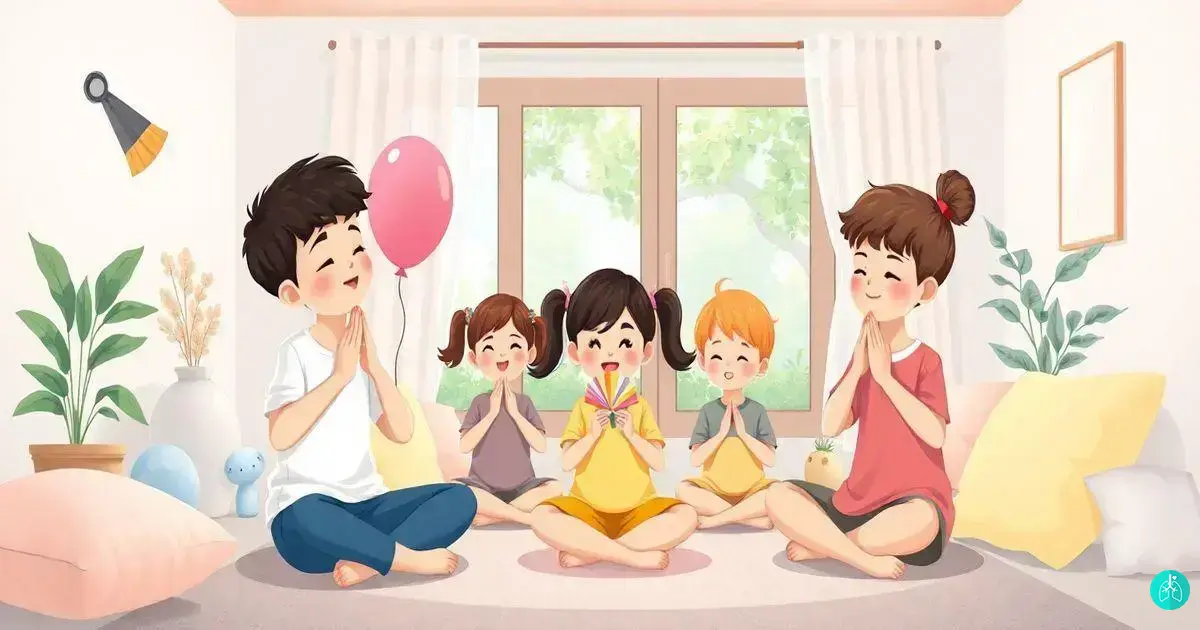
Creating a calm environment for breathing practice is essential to help children focus and fully engage with the techniques you’re teaching. A peaceful setting can significantly enhance their ability to relax and embrace mindfulness. Here are some tips to establish that serene atmosphere:
1. Designate a Breathing Space: Set up a specific area in your home for breathing exercises. This could be a cozy corner filled with pillows, a soft rug, or a comfortable chair. By designating this space solely for breathing practice, children will associate it with calmness and relaxation, making it easier for them to unwind.
2. Minimize Distractions: Keep the area free from distractions by turning off electronic devices and limiting noise. If possible, play soft, calming music or nature sounds in the background to create a soothing auditory experience. This helps non-intrusively guide their focus and enhances their overall breathing practice.
3. Use Soft Lighting: Bright, harsh lighting can be overstimulating. Opt for soft lighting or use lamps with warm bulbs to create a cozier atmosphere. If it’s during the day, drawing curtains to let in gentle natural light can also promote a tranquil environment.
4. Incorporate Aromatherapy: Utilizing calming scents, such as lavender or chamomile, can help create a peaceful ambiance. Use essential oil diffusers or scented candles (if safe) to fill the space with soothing aromas. A pleasant scent can further signal to children that it’s time for mindfulness and relaxation.
5. Decorate with Comforting Elements: Consider adding elements that promote comfort and relaxation to your space. Soft cushions, soothing colors, or even calming visuals like nature pictures can make the space inviting. You might let your child help in choosing the decor—this involvement can increase their interest in practicing breathing there.
By creating a calm environment for breathing practice, you help your child establish a routine that promotes relaxation, mindfulness, and emotional well-being. These practices pave the way for improved focus and resilience, allowing breathing exercises to become a cherished part of their daily routine.
Conclusion
In summary, teaching children proper breathing techniques is an invaluable gift that can enhance their physical and emotional well-being.
By understanding the importance of breathing, engaging them with fun exercises and games, and creating a calming environment, you set the stage for healthy habits that can last a lifetime.
Incorporating breathing practices into daily routines makes it easier for your child to embrace these techniques naturally, while the use of visuals further reinforces their learning.
As your child explores these various approaches to breathing, they not only learn about the mechanics of breath but also develop tools to manage stress, improve focus, and cultivate a sense of calm.
Ultimately, investing the time to teach breathing practices opens the door to a more peaceful and centered life for your little ones.
FAQ – Questions About Teaching Breathing Techniques to Kids
Why is proper breathing important for children?
Proper breathing helps increase oxygen levels, enhances focus, reduces anxiety, and supports emotional well-being in children.
What are some fun breathing exercises I can do with my kids?
Fun exercises include balloon breathing, bubble breathing, animal breathing, and using the flower and candle visualization.
How can I use visuals to teach breathing techniques?
You can use posters, breathing buddies, breathing apps, drawings, and physical demonstrations to help children understand breathing techniques.
How do I incorporate breathing into my child’s daily routine?
Incorporate breathing during morning stretches, homework breaks, pre-bedtime rituals, transition times, and outdoor activities to make it a regular habit.
What games can promote proper breathing in kids?
Games like breathing races, the scent game, breathing bingo, Simon Says with breathing twists, and cloud breathers make learning enjoyable.
How can I create a calm environment for breathing practice?
Designate a breathing space, minimize distractions, use soft lighting, incorporate aromatherapy, and decorate with comforting elements to enhance the atmosphere.


