

The connection between posture and breathing is crucial for overall health, as good posture improves lung function and promotes deeper breathing, while poor posture can lead to shallow breaths and health issues. By focusing on posture through practical tips and exercises, individuals can enhance their breathing patterns, reduce stress, and boost energy levels, ultimately contributing to a healthier lifestyle.
The connection between posture and breathing is often overlooked, yet it plays a crucial role in our overall health.
You might not realize it, but how you carry yourself can have a significant impact on how effectively you breathe.
In this article, we’ll dive into the reasons why your posture affects your breathing more than you think, unveiling some surprising truths about this interconnected dynamic.
Understanding Posture and Breathing Connection
When we talk about posture, we’re essentially referring to the way our body is aligned and held up, whether we’re sitting, standing, or moving. Interestingly, this alignment has a direct connection to how we breathe. If you think about it, posture affects the space available for your lungs to expand. When you’re slouched or hunched over, it restricts that space, making it harder for your lungs to take in oxygen efficiently.
Moreover, poor posture can lead to tension in different parts of your body, particularly in the chest and diaphragm. This tension hampers your ability to breathe deeply and fully. In fact, many people find themselves taking quick, shallow breaths when they’re slouched, which can leave them feeling fatigued or anxious.
For instance, think about how you sit when you’re engrossed in work. Are you leaning forward, straining your neck and hunching your shoulders? This position can limit your lung capacity and lead to discomfort. Conversely, standing or sitting up straight opens up the chest, allowing for deeper breaths and improving overall oxygen flow in the body.
Understanding this connection between posture and breathing is essential. It not only impacts our respiratory health but also influences our energy levels, mood, and even overall well-being. By simply becoming aware of how your posture affects your breath, you can start making small changes that lead to big improvements in your health.
How Good Posture Supports Lung Function
Good posture is essential for optimal lung function. When you maintain a standing or seated position that aligns your spine, shoulders, and neck, it allows your lungs to expand fully, enabling better oxygen intake. Proper posture creates the ideal conditions for the diaphragm, the primary muscle involved in breathing, to work efficiently.
For instance, when you sit or stand up straight, your diaphragm has the necessary space to contract and expand freely. This is crucial because deep breaths help bring in oxygen-rich air while pushing out carbon dioxide effectively. In contrast, when you’re slouching, this foundational muscle becomes restricted—the result? Less efficient breathing and increased fatigue.
Moreover, maintaining good posture helps keep the rib cage in an optimal position. This positioning allows your lungs to fill up with more air as the ribs expand outward. Have you ever taken a deep breath after standing up straight? Feels refreshing, right? That’s your lungs making the most of the available space!
It’s also worth noting that good posture can positively affect lung capacity. Research shows that individuals with better postural alignment tend to have a higher lung capacity, leading to more effective physical performance and overall vitality. Think of athletes or performers who emphasize posture as a part of their training—as it directly impacts their lung function and overall endurance.
In a nutshell, prioritizing good posture not only makes breathing easier but also enhances lung function, boosts energy levels, and strengthens overall health. So next time you’re sitting at your desk or standing in line at the store, remember: a little bit of awareness about your posture can go a long way!
The Dangers of Poor Posture on Breathing
Poor posture can silently wreak havoc on our breathing without us even realizing it. When we adopt slouched or hunched positions—whether it’s from long hours at a desk, staring at our phones, or lounging on the couch—we unknowingly restrict our body’s ability to breathe effectively. Poor posture compresses the rib cage and limits the diaphragm’s range of motion, leading to shallow breathing.
One significant danger of shallow breathing caused by poor posture is the increased risk of anxiety and stress. When we breathe shallowly, our body doesn’t receive enough oxygen, which can trigger the fight-or-flight response—making us feel more anxious. It’s a vicious cycle: feeling anxious can lead to poor posture, which then exacerbates shallow breathing, and so on.
Additionally, chronic poor posture can contribute to a wide range of health issues. Studies suggest that individuals who consistently slouch are at greater risk for conditions like asthma and other respiratory illnesses. The reason? Poor alignment can cause the lungs to compress, making it difficult for them to function at their best, particularly during physical activity.
Let’s not forget about the physical discomfort that often accompanies poor posture. Tightness in the shoulders, neck pain, and backaches can become commonplace. All of these factors compound to make deep, fulfilling breaths challenging. Imagine trying to take a deep breath when your chest feels tight and restricted—frustrating, isn’t it?
Moreover, poor posture while sleeping can lead to uneven breathing patterns at night, which can disturb sleep and affect how rested we feel during the day. If your body isn’t properly aligned while you rest, it can compromise effective airflow, resulting in a night of poor-quality sleep.
So, it’s clear that the dangers of poor posture extend well beyond just looking slouched. They reach deep into our respiratory health and overall well-being. By recognizing the impact of our posture on breathing, we can start to make conscious changes that enhance our quality of life.
Practical Tips for Improving Posture

Improving posture is key to enhancing your breathing and overall health, and the good news is that it doesn’t have to be complicated. Here are some practical tips to help you stand tall and breathe easily:
1. Be Mindful of Your Sitting Position: If you spend long hours at a desk, make sure your chair supports your lower back. Your feet should be flat on the floor, and your knees should be at or below hip level. Keep your computer screen at eye level to avoid straining your neck.
2. Stand Tall: When standing, distribute your weight evenly on both feet, with your shoulders back and your head held high. Check in with yourself throughout the day—are you slouching? A tiny reminder to correct your alignment can make a world of difference.
3. Take Breaks to Move: Sitting or standing for prolonged periods can encourage poor posture. Set a timer to remind you to take breaks every hour. Get up, stretch, and incorporate movement to reset your body and keep your posture in check.
4. Strengthen Your Core: A strong core is crucial for good posture. Engage in exercises that strengthen your abdominal and back muscles, such as planks, bridges, and yoga. A strong core helps support your spine and promotes proper alignment.
5. Practice Breathing Exercises: Yes, breathing exercises can also improve your posture! Take time to practice deep belly breathing. As you inhale deeply, imagine your chest and abdomen expanding. Focus on aligning your spine as you breathe, reinforcing the connection between good posture and deep breathing.
6. Use Posture Aids: If you’re struggling, consider using posture aids like ergonomic chairs, lumbar rolls, or even posture-correcting devices. They can help remind you to maintain proper alignment while you’re working or relaxing.
Incorporating these tips into your daily routine doesn’t require a complete lifestyle overhaul. Start small and gradually build awareness of your posture. Try setting reminders on your phone or placing notes in visible spots to encourage better habits. With a little effort, you’ll notice a positive change in your posture—and, more importantly, in how you breathe!
Exercises to Enhance Breath Control
Enhancing your breath control can significantly improve your overall well-being, and there are several exercises you can incorporate into your routine. Here are some effective practices to get you started:
1. Diaphragmatic Breathing: This exercise focuses on using your diaphragm to take deep breaths. Lie on your back with your knees bent or sit comfortably. Place one hand on your chest and the other on your abdomen. As you inhale deeply through your nose, your abdomen should rise while your chest remains relatively still. Exhale slowly through your mouth, feeling your abdomen fall. Aim for 5 to 10 minutes of this exercise daily to strengthen your breathing.
2. Box Breathing: Box breathing is a technique used by many to help regulate breathing, especially during stressful situations. To do this, inhale for a count of four, hold your breath for another count of four, exhale for four, then hold your lungs empty for four. Repeat the cycle for several minutes. This not only helps with breath control but also calms the mind.
3. Pursed Lip Breathing: This technique is excellent for prolonging exhalation and helping you control your breath. Inhale deeply through your nose for a count of two, then purse your lips (as if you’re going to whistle) and exhale slowly and gently through your pursed lips for a count of four. This method slows your breathing pace and improves the efficiency of oxygen exchange in your lungs.
4. Lion’s Breath: To bring a bit of fun into your breath control routine, try the Lion’s Breath. Sit comfortably, take a deep breath in through your nose, and as you exhale, open your mouth wide, stretch your tongue out, and make a “ha” sound. This exercise releases tension and helps with deep breathing.
5. Yoga Practices: Incorporating yoga into your routine can greatly enhance breath control. Poses like Child’s Pose, Cat-Cow, and Standing Forward Bend promote awareness of your breath, connection to your body, and relaxation. Combining breath with movement encourages depth in your inhalations and exhalations.
6. Singing or Playing a Wind Instrument: If you enjoy music, singing or playing a wind instrument can be incredibly beneficial for breath control. These activities require you to manage your breath effectively, promoting diaphragm engagement and lung capacity.
As you incorporate these exercises into your daily routine, remember that practice makes perfect. Be patient with yourself as you work on improving your breath control. Over time, you’ll likely find it becomes easier to breathe deeply and efficiently, enhancing both your physical and mental health!
How Awareness of Posture Can Transform Breathing
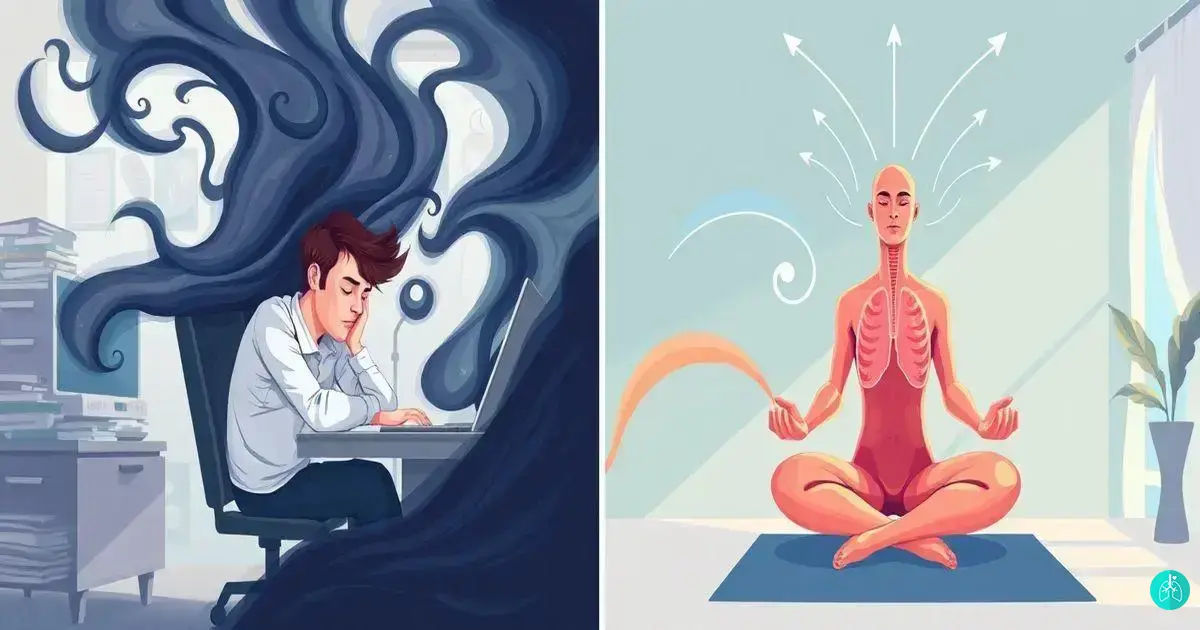
Becoming aware of your posture is a game changer when it comes to breathing. Many of us go through our daily routines without even thinking about how we carry our bodies. This unawareness can lead to habits that negatively impact our breathing. However, cultivating awareness can lead to profound transformations, not just in how we breathe but in our overall health.
1. Heightened Self-Observation: One of the first steps to transforming your breathing is simply noticing how you sit, stand, and move throughout the day. Are you slouched over your computer? Do your shoulders creep up towards your ears when you’re stressed? Recognizing these habits is crucial. Once you see where you might be falling into poor posture patterns, you can actively work to correct them.
2. Mind-Body Connection: Developing an awareness of posture encourages a stronger connection between your body and mind. When you stand or sit with intention, it enables you to tune into your breath. This connection can help you realize how tension in your body directly impacts your ability to take deep, calming breaths.
3. Reduce Tension: Poor posture often leads to muscle tension, particularly in the neck, shoulders, and back. By becoming more aware of your body’s position, you can consciously release that tension, promoting better oxygen flow and enhancing your respiratory function. When you hold yourself in alignment, you’ll notice a more relaxed breathing pattern.
4. Improved Confidence: Believe it or not, your posture impacts how you feel about yourself. Good posture can boost your confidence, making you feel more empowered and in control. This increase in self-assurance can further contribute to deeper breathing, as your mental state becomes more positive and relaxed.
5. Establish Long-Lasting Habits: Awareness of your posture promotes the establishment of long-lasting healthy habits. By acknowledging when your posture slips, you start to train yourself to make corrections instinctively. Over time, this leads to more consistent good posture and better breathing without needing to think about it consciously.
6. Overall Well-Being: Perhaps the most transformative aspect of posture awareness is the impact on your overall health. Improved breathing correlates with better energy levels, reduced anxiety, and enhanced focus. As you pay more attention to your posture and its effect on your breathing, you’re allowing yourself to cultivate a healthier lifestyle.
In essence, becoming aware of your posture is not just about standing tall; it’s about embracing a holistic approach to your health. By recognizing the profound connection between posture and breathing, you empower yourself to create positive changes that resonate throughout your life.
Conclusion
In summary, the relationship between posture and breathing is both intricate and vital for our overall health. By understanding how our posture affects our lung function, recognizing the dangers of poor posture, and implementing practical tips for improvement, we can significantly enhance our breathing capabilities.
The exercises designed to improve breath control serve as effective tools, further reinforcing this connection.
Moreover, becoming aware of our posture can transform not just our breathing patterns but our overall well-being. It invites us to develop a more profound mind-body connection, reduce physical tension, and cultivate habits that promote a healthier lifestyle.
By prioritizing posture in our daily routines, we pave the way for deeper breaths, better energy levels, and a heightened sense of confidence and well-being. So, let’s stand tall, breathe deeply, and embrace the positive changes our awareness can bring!
FAQ – Common Questions about Posture and Breathing
How does posture affect my breathing?
Good posture allows for better lung expansion and oxygen intake, while poor posture restricts the diaphragm and compresses the rib cage, leading to shallow breathing.
What are some quick tips for improving my posture?
Try sitting with your back supported, keeping your feet flat on the floor, and regularly checking in to align your shoulders and head. Additionally, take breaks to stretch and move.
Can poor posture cause health problems?
Yes, poor posture can lead to muscle tension, respiratory issues, increased anxiety, and a range of other health problems over time.
What exercises can I do to improve my breath control?
Exercises like diaphragmatic breathing, box breathing, and pursed lip breathing can help enhance your breath control and efficiency.
How does awareness of posture influence my stress levels?
Being aware of your posture encourages relaxation and helps reduce muscle tension, which can alleviate stress and promote deeper, more calming breaths.
Is there a connection between posture, breathing, and physical performance?
Absolutely! Good posture improves lung function and oxygen flow, which can enhance physical performance, endurance, and overall energy levels.


